Top Landscaping Services in Westwood, MI, 49006 | Compare & Call
There are 154 landscaping companies server in Westwood MI
For over 20 years, Final Grade Services has been a trusted name in Battle Creek and across southwest Michigan, offering dependable property care for residential, commercial, and industrial clients. Ou...
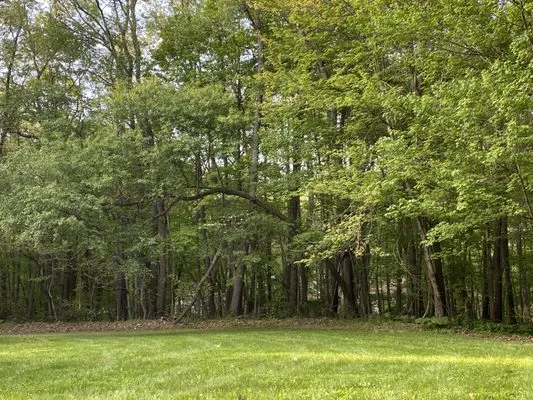
Lawn Keepers is your trusted local lawn care provider in Richland, MI. We understand the specific challenges homeowners face in our area, from rock gardens that shift and become unmanageable to dead p...
Parkview Hills Management
Parkview Hills Management is a trusted property management and contracting company serving Kalamazoo, MI. We specialize in comprehensive property management, landscaping, and general contracting servi...

At Premier Lawn & Snow, we are your Richland neighbors dedicated to keeping your property healthy and accessible year-round. We build and maintain precise irrigation systems to combat dry spells, prov...

Emerys Roofing & Lawncare Services is a family-owned and operated business in Kalamazoo, MI, dedicated to providing reliable, honest, and hardworking solutions for homeowners. We focus on clear commun...
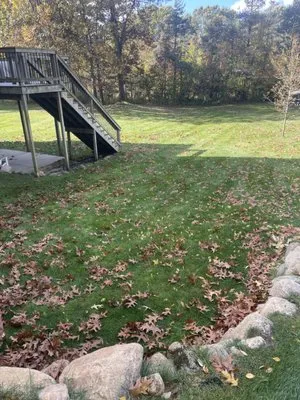
Kleen Greens is your trusted local provider in Albion, MI, offering comprehensive snow removal, lawn care, and auto detailing services. We understand that many Albion homes face landscaping challenges...
AG'S Lawncare is a trusted local lawn service provider serving Climax, MI homeowners. We specialize in comprehensive lawn care solutions designed to address common local landscaping challenges like ba...

SpringDyke Landscape is a Hudsonville-based landscaping and tree service company with over 28 years of experience serving West Michigan. We specialize in comprehensive landscape solutions including ea...
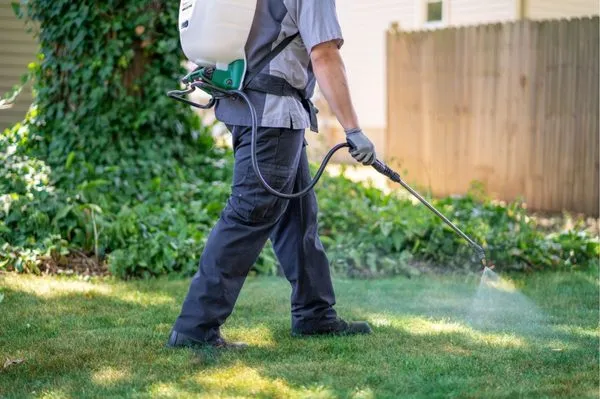
All Green in Kalamazoo, MI, is a locally operated lawn care, pest control, and tree service provider with deep roots in the community. Founded in 1987 by Ed Barant, who previously built TruGreen into ...
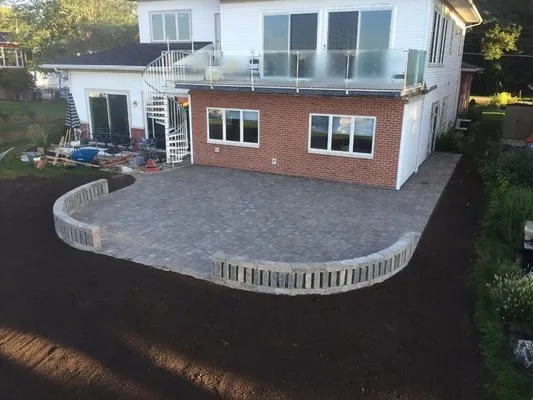
KF Lawn Service has been a trusted landscaping partner for Portage, MI homeowners since 2002. We specialize in transforming lackluster yards into vibrant, healthy outdoor spaces through comprehensive ...
Estimated Landscaping Service Costs in Westwood, MI
Q&A
How can I keep my Kentucky Bluegrass healthy if water restrictions are enacted later this summer?
Proactive installation of a smart Wi-Fi ET-based irrigation controller is the key strategy. These systems use local weather data to apply only the precise water lost to evapotranspiration, preventing overwatering. Even under Stage 0, this technology optimizes for the sandy loam's drainage, encouraging deeper roots and drought tolerance, which preserves turf health while conserving municipal water supplies ahead of potential restrictions.
I want to regrade my backyard. Do I need a permit, and what should I look for in a contractor?
Regrading a 0.32-acre lot in Kalamazoo Township typically requires a permit if you alter water flow patterns or drainage. The contractor must hold appropriate licensing through the Michigan Department of Licensing and Regulatory Affairs (LARA). Always verify their LARA license covers earthmoving and ask for proof of insurance. Unlicensed grading can lead to code violations, neighbor disputes over runoff, and significant corrective costs.
My lawn seems thin and compacted. Does the age of my 1962 house have anything to do with it?
Yes, soil maturity is a direct factor. Westwood Heights lots from the early 1960s have 64 years of standard construction and maintenance practices. The sandy loam soil, while initially well-draining, has become compacted from foot traffic and machinery, reducing pore space and root penetration. This history necessitates core aeration and the addition of compost to rebuild soil organic matter and restore permeability for healthy turf.
Should I use concrete pavers or wood for a new patio? I want something durable.
For long-term durability in Westwood's climate, concrete pavers are superior to wood. They resist frost heave, do not rot or warp, and have a lifespan exceeding 25 years with proper installation on a compacted gravel base. While wood requires regular sealing and replacement, pavers maintain integrity and provide a non-combustible surface, which is a consideration for maintaining defensible space even in our low Fire Wise rating area.
My yard gets soggy spots every spring. What's a lasting solution for this wet soil?
The moderate seasonal high water table in Westwood, combined with sandy loam's variable permeability, often causes spring saturation. A permanent solution integrates subsurface French drains with surface grading. Using permeable materials like crushed limestone for paths or concrete pavers set on a gravel base can also help manage runoff and may be required by the Kalamazoo Township Planning & Zoning Department for new installations to meet stormwater standards.
I've spotted what looks like Japanese Knotweed. How do I handle invasive species here?
Japanese Knotweed is a high-priority invasive requiring immediate, professional management. Treatment involves targeted herbicide applications by a licensed professional, timed for plant physiology and strictly using phosphorus-free products as mandated by Michigan law. Eradication is a multi-year process; attempting DIY removal often spreads the plant. We develop integrated plans that prioritize soil and groundwater safety while achieving control.
I have a downed tree after a storm and need an emergency cleanup to meet HOA rules. How quickly can a crew arrive?
For an emergency HOA compliance call, our standard dispatch from Westwood Plaza via US-131 allows for a 20-30 minute arrival during peak conditions. We route crews to prioritize blocked driveways and safety hazards, coordinating with township services as needed. Equipment is staged to respond to Westwood's common post-storm scenarios efficiently.
I'm tired of weekly mowing and gas equipment noise. Are there lower-maintenance options?
Transitioning sections of high-input turf to a native plant landscape is a forward-thinking solution. Species like Purple Coneflower, Butterfly Milkweed, and Little Bluestem are adapted to Zone 6a and require no mowing, minimal water, and no chemical inputs once established. This shift reduces dependency on gas-powered equipment, aligning with evolving noise ordinances and creating a biodiverse, resilient habitat that supports local pollinators.
