Top Landscaping Services in West Branch, MI, 48661 | Compare & Call
There are 28 landscaping companies server in West Branch MI
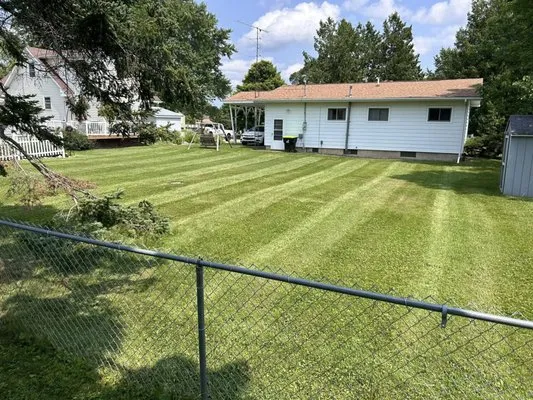
First Class Home Services is a West Branch, MI-based landscaping and outdoor maintenance company focused on transforming yards into well-maintained landscapes. We operate on the principle that your ho...
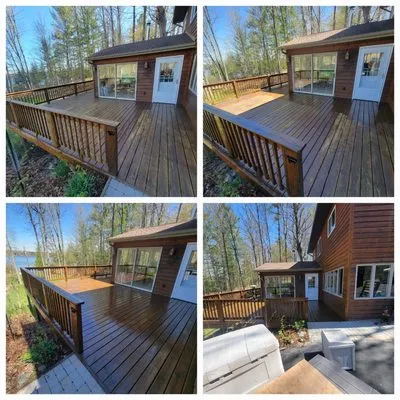
C&C Cleaning is a licensed and insured, full-service property care company serving Sterling, MI, and the surrounding area. We go beyond basic cleaning to offer comprehensive solutions for your home's ...
Fresh Cut Lawncare is a dedicated, locally-owned lawn and property maintenance company serving West Branch, MI. We understand the common challenges homeowners face, such as persistent mulch bed weeds ...
JHC Handyman Services is a trusted, full-service contractor serving West Branch, MI, and surrounding areas. We specialize in handyman work, landscaping, and general contracting, offering comprehensive...

Shuman's Lawn and Tree Service is your trusted, local partner for comprehensive outdoor care in Hale, MI. We specialize in professional lawn care, tree trimming, and safe tree removal, all backed by y...
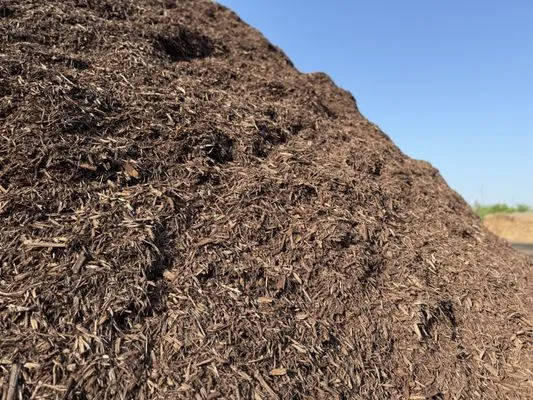
Michigan Bark Products is your local West Branch partner for creating beautiful, low-maintenance landscapes. We understand that local homeowners often battle sprinkler leaks that waste water and money...
Brindley Renovations is a trusted West Branch, MI contractor specializing in carpentry, painting, and landscaping services. We help local homeowners address common property challenges like tree root l...

Legacy Food Plots is a Saint Helen, MI-based landscaping and excavation company specializing in comprehensive outdoor solutions for residential and commercial properties. We help local homeowners tack...
Estimated Landscaping Service Costs in West Branch, MI
Questions and Answers
How can I keep my Kentucky Bluegrass lawn green without wasting water?
The solution is precision irrigation based on actual soil moisture, not a fixed schedule. Install a Smart Wi-Fi Soil Moisture Sensor controller that triggers watering only when the root zone drops below optimal levels. This ET-based system applies water precisely when and where your turf grass mix needs it, often reducing usage by 20-40%. Despite no formal water restrictions, this technology is key for voluntary conservation and maintaining turf health through Michigan's variable summers.
Our yard gets soggy in spring and heaves in winter. What's the cause and a good fix?
You are describing the combined effect of a seasonal high water table and frost heave, exacerbated by Sandy Loam's permeability. Water saturates the subsoil, then freezes and expands. To manage runoff and meet city standards, replace solid surfaces with permeable systems. Using concrete pavers set on an open-graded base or crushed limestone allows infiltration, reducing surface water and mitigating the freeze-thaw cycle that damages foundations and hardscape.
I'm tired of weekly mowing. Are there lower-maintenance, eco-friendly options?
Absolutely. Transitioning high-input turf to a native plant community is the most effective long-term strategy. Species like Purple Coneflower, Butterfly Milkweed, and Little Bluestem are adapted to Zone 5a, require no fertilization, and need minimal watering once established. This xeriscaping approach also future-proofs your property against evolving noise ordinances that restrict gas-powered blowers and mowers, creating a quiet, biodiverse landscape.
Our yard in Downtown West Branch never seems to hold water or nutrients. Is this common for older homes here?
Yes, it is a direct result of soil age and composition. Homes built around 1973 have soils with over 50 years of development, yet the prevalent Sandy Loam drains quickly and is low in organic matter. This soil profile, common in your neighborhood, often lacks mature structure, leading to poor water retention and nutrient leaching. Core aeration and incorporating 2-3 inches of compost are critical to rebuild soil biology and increase the cation exchange capacity for healthier plant growth.
What permits or licensed pros do I need for regrading my backyard?
Any significant alteration of drainage patterns on your 0.25-acre lot requires oversight. The West Branch City Building & Zoning Department issues permits for earthwork to ensure compliance with stormwater runoff standards. Furthermore, the contractor must hold appropriate licensing through the Michigan Department of Licensing and Regulatory Affairs (LARA). This ensures they carry the required insurance and have passed competency exams for work that can impact your foundation and neighboring properties.
What invasive species should I watch for, and how do I remove them safely?
High-priority alerts for this area include Garlic Mustard, Spotted Knapweed, and Japanese Knotweed. Manual removal for young plants is effective; ensure you get the entire root system. For established perennials, a targeted, systemic herbicide applied in late summer or fall is often necessary. Critically, any treatment must comply with Michigan's NREPA Part 85, which prohibits phosphorus-containing fertilizers and has specific blackout dates for herbicide application near waterways to protect aquatic life.
Are concrete pavers a better choice than wood for a new patio?
For longevity and reduced maintenance in West Branch's climate, concrete pavers are superior. They resist frost heave better than wood and will not rot, warp, or attract pests. From a Fire Wise perspective, in this Moderate-risk Wildland-Urban Interface, pavers or crushed limestone create a non-combustible defensible space immediately adjacent to your home, a key safety feature that organic mulches or wooden decks cannot provide.
If a storm drops a large branch, how quickly can a crew arrive for an emergency cleanup?
For an urgent safety issue like a downed limb, we prioritize a rapid response. A crew dispatched from our depot near Iron's Park can access I-75 and reach most Downtown West Branch properties within the 20-30 minute window, even during peak traffic. This route allows for efficient navigation around local congestion to secure the site and begin debris processing, ensuring HOA or municipal compliance for hazard removal.
