Top Landscaping Services in Wayne, MI, 48184 | Compare & Call
There are 184 landscaping companies server in Wayne MI
Labor 4 Less in Westland, MI, is a versatile local service provider specializing in landscaping, mobile home repair, and painting. For Westland homeowners dealing with common landscaping challenges li...
Lawn Alive Lawn Care is a Westland, MI-based landscaping company dedicated to helping local homeowners maintain healthy, beautiful lawns. We understand the common challenges Westland residents face, s...
Eazy Lawn Service is a homegrown Inkster business that started with a simple passion for yard work. Owner David, a Dearborn native, began by meticulously caring for his own lawn, and his dedication qu...
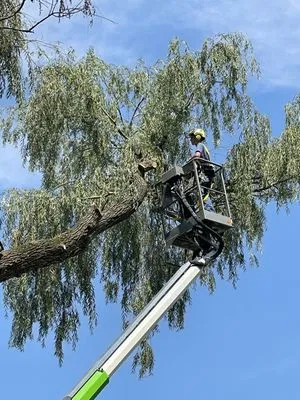
Henry's Lawn and Tree is a locally owned and operated Livonia business with deep roots in the community. Founded by Henry, who started mowing lawns in sixth grade, this company grew from a childhood e...
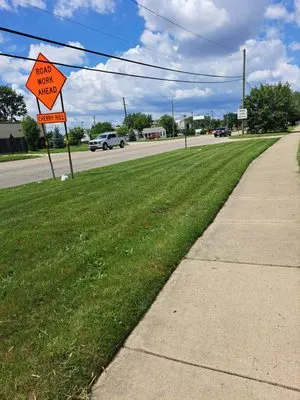
Top Tier Cuts began as a true Westland start-up, founded with just a push mower, a weed whip, and a blower. Our commitment to the community has fueled our growth into a trusted, family-owned lawn serv...
Outback Lawn Care is a Westland, MI-based landscaping company dedicated to solving common local yard problems like standing water and storm debris cleanup. We specialize in practical solutions that ad...

JW Elite Services was founded in Belleville, MI, at the end of 2024, born from a long-held partnership and a shared commitment to helping our neighbors. With years of combined hands-on experience, co-...
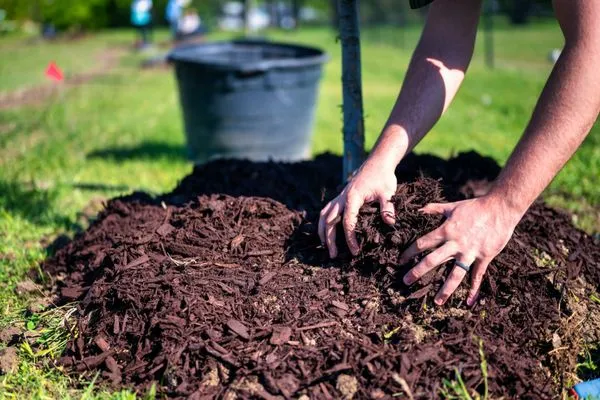
MW Lawn Care Service is your trusted local expert in Taylor, MI, providing comprehensive lawn care, tree services, and window cleaning to keep your property looking its best year-round. We understand ...
Curbside Appeal is a Taylor-based company providing comprehensive home services for Downriver residents. We specialize in three core areas: junk removal and hauling, handyman services, and lawn care. ...
C&D’S Property Maintenance is your trusted local contractor in Taylor, MI, specializing in comprehensive outdoor solutions to enhance and protect your home. We expertly handle snow removal, masonry/co...
Estimated Landscaping Service Costs in Wayne, MI
Question Answers
I want to regrade my backyard. What permits and contractor qualifications do I need?
Regrading a 0.19-acre lot in Wayne often requires a permit from the Wayne Building & Planning Department, as it alters stormwater runoff patterns. More critically, the contractor must hold appropriate licensing through the Michigan Department of Licensing and Regulatory Affairs (LARA). For significant earth moving, a licensed residential builder or a licensed contractor specializing in excavation is legally required. This ensures the work meets state building codes and protects you from liability related to improper drainage or structural damage.
My yard pools water every spring. What's the best drainage solution for my clay soil?
Seasonal waterlogging is inherent to Blount-Pewamo clay's low permeability. The most effective strategy combines subsurface solutions with surface management. Installing a French drain system tied to a dry well addresses subsurface flow, while regrading to create positive slope away from foundations manages surface runoff. Using permeable clay brick pavers for patios or walkways can also reduce impervious surface area, helping meet Wayne Building & Planning Department's stormwater management standards.
A storm knocked down a large limb. How quickly can you respond for an emergency cleanup?
Our emergency storm response dispatch from Attwood Park is 20-30 minutes during peak hours via I-275. We prioritize safety and HOA compliance, clearing hazards and securing the site. All equipment is electric-powered to comply with the city's noise ordinance, allowing for immediate work without disturbing neighbors after hours. We will provide a detailed assessment and removal plan upon arrival.
I'm tired of weekly mowing. What are my options for a lower-maintenance, eco-friendly yard?
Transitioning high-input turf areas to a native plant community is a forward-thinking solution. Species like Common Milkweed, Wild Bergamot, New England Aster, and Big Bluestem are adapted to our Zone 6b climate and clay soils, requiring no fertilizer, minimal watering, and no weekly mowing. This xeriscape approach significantly reduces maintenance, supports 2026 biodiversity targets, and future-proofs your property against potential gas-powered equipment restrictions tied to the city's noise ordinance.
I see creeping Charlie and garlic mustard taking over. How do I control these weeds safely?
These are aggressive invasive species that outcompete desirable plants. Effective control requires a targeted, integrated approach. For creeping Charlie in lawns, improving turf health through proper fertilization (following the Michigan Phosphorus Fertilizer Act) and aeration is the first defense. Spot-treatment with a selective, EPA-registered herbicide may be necessary for severe infestations. For garlic mustard, diligent hand-pulling before seed set is crucial. Always avoid broadcast herbicide applications to protect soil biology and comply with local runoff regulations.
Should I use wood or clay brick for a new patio? I want something durable and safe.
Clay brick pavers are the superior choice for longevity, low maintenance, and fire safety in our climate. Unlike wood, which decays and requires constant sealing, clay brick is inert, frost-resistant, and retains its color for decades. From a Firewise perspective, its non-combustible nature is a critical asset for creating defensible space in this urban interface area, a factor wood cannot provide. The initial investment in brick pays off in permanence and reduced long-term liability.
My lawn feels spongy and thin. What's the history of my soil, and how can I fix it?
Homes in the Wayne Historic District, built around 1959, sit on 65+ years of Blount-Pewamo clay loam compaction. This soil's natural density, compounded by decades of foot traffic, creates a hardpan layer that restricts root growth and water percolation. The sponginess indicates poor soil structure. A core aeration program in spring and fall, followed by top-dressing with compost, is critical to introduce organic matter and rebuild a healthy soil profile.
How do I keep my lawn green without wasting water or breaking city rules?
A smart, Wi-Fi ET-based irrigation controller is the standard solution. It automatically adjusts watering schedules based on real-time evapotranspiration data, soil moisture, and weather forecasts. This system applies precisely the water your Kentucky Bluegrass and Fine Fescue blend needs, deeply and infrequently, to encourage drought tolerance. It optimizes for voluntary conservation, keeping your lawn healthy while staying well within municipal water use expectations.
