Top Landscaping Services in Walton, MI, 48813 | Compare & Call
There are 220 landscaping companies server in Walton MI
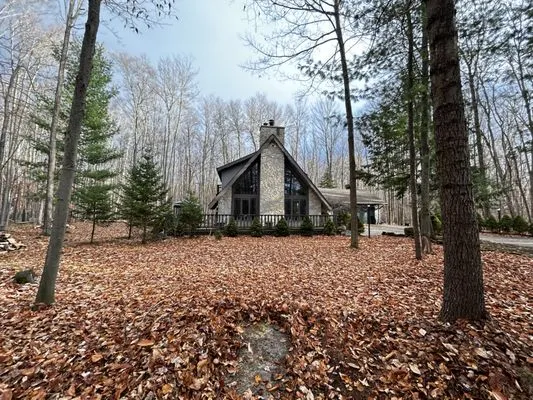
Michigan Estates Landscaping & Property Services provides expert landscaping and property care for Gaylord and the surrounding areas. Specializing in tree services, landscape construction, and compreh...
Johnston's Landscaping is a Gaylord-based contractor specializing in comprehensive landscape and hardscape solutions for Northern Michigan homeowners. We understand the local challenges, from managing...
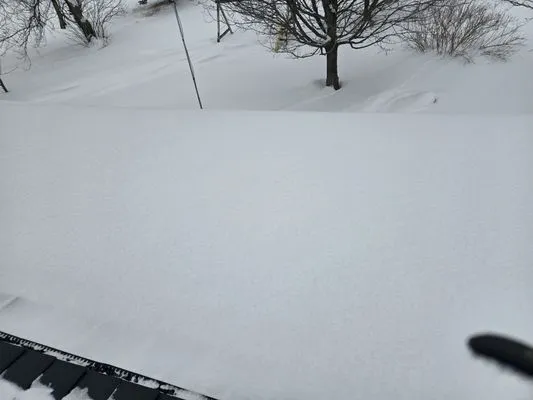
J&T Landscaping and Snow Removal is a trusted, locally-owned business serving Mancelona and the surrounding Antrim County area. We provide reliable, professional snow removal services to keep driveway...
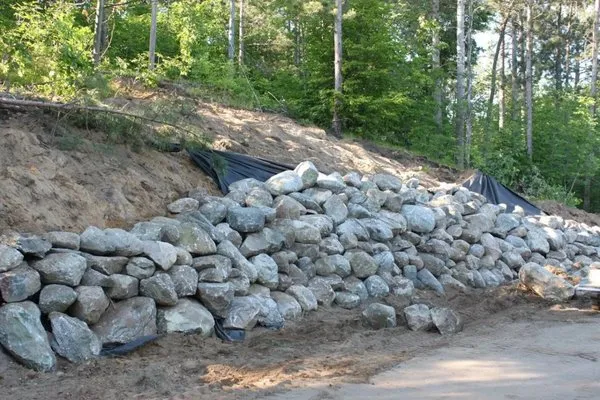
Milarch Brothers Nursery & Landscaping
Milarch Brothers Nursery & Landscaping is a trusted, family-owned business serving Copemish and the surrounding Northern Michigan communities. We specialize in comprehensive landscape solutions, from ...

A-Z Landscaping is your trusted local landscaping partner in Grayling, MI, dedicated to enhancing and maintaining the natural beauty of your outdoor spaces. We specialize in addressing common local la...
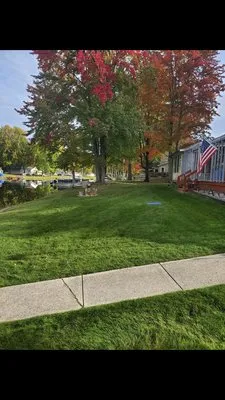
Clean & Green Lawncare is a Denton Township lawn service dedicated to healthy, sustainable care for local yards. We focus on providing effective, environmentally conscious solutions, using organic fer...
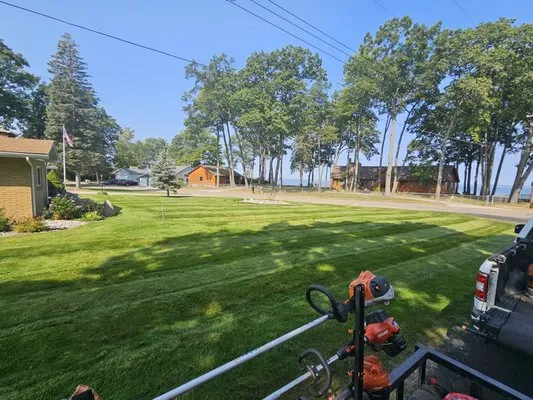
KKR Lawn Maintenance is your local Houghton Lake expert for a healthier, more resilient lawn. We understand the unique challenges of our area, particularly the issues of soil compaction and poor lawn ...

Mighty Moose Maintenance Men
Founded by lifelong Northern Michigan resident Chris Newberry in 2017, Mighty Moose Maintenance Men is a professional home and lawn maintenance company built from the ground up. With 14 years of busin...

Neal's Lawn Service is a family-owned business that has been serving the Hersey community since 2003. It all started with a single truck, a trailer, and a commitment to reliable lawn care. Over the ye...
Houghton Lake Lawn & Landscaping is a licensed and insured, locally-owned company serving Prudenville and the surrounding Houghton Lake area. With over 25 years of dedicated experience, we bring a dep...
Estimated Landscaping Service Costs in Walton, MI
Common Questions
Are permeable pavers a better long-term choice than a wooden deck?
For longevity and low maintenance in Michigan's climate, permeable concrete pavers are superior. They will not rot, warp, or require staining, and their inherent stability resists frost heave better than wood. From a safety perspective, their non-combustible nature contributes to the defensible space required for Walton's Moderate Firewise USA Community rating, an important consideration for resilient landscaping.
How quickly can you respond to an urgent HOA violation notice for overgrown grass?
For emergency compliance, our dispatch from the Walton City Hall & Civic Plaza allows for a 25-35 minute arrival to Walton Heights during peak hours via M-24. We maintain a fleet of quiet, electric mowers to perform immediate corrective cuts within the city's reduced-noise operational hours of 7 AM to 8 PM. This ensures rapid resolution while adhering to all local ordinances.
I want a lower-maintenance, eco-friendly yard. What should I plant?
Transitioning sections of high-input turf to a native plant palette is the most effective strategy. Species like Purple Coneflower, Butterfly Milkweed, Little Bluestem, and Wild Bergamot are adapted to Zone 5b and require no fertilization, minimal watering once established, and no gas-powered leaf blowing. This approach future-proofs your landscape against tightening noise ordinances and supports local biodiversity far beyond 2026 standards.
My yard stays soggy in spring and frost pushes up my pavers. What's the solution?
A high seasonal water table and frost heave are common challenges in Walton's sandy loam. Improving subsurface drainage with French drains or dry wells is the primary fix. For hardscapes, replacing impervious surfaces with permeable concrete pavers is highly recommended; they allow water to infiltrate, reducing surface runoff and meeting Walton Building & Planning Department standards for stormwater management.
Why does my soil seem so compacted, and what can I do about it?
Properties in Walton Heights, developed around 1982, have soils that are now over 40 years old. Initial construction and decades of foot traffic and mowing compact the slightly acidic sandy loam, reducing percolation and root growth. Core aeration is essential to relieve compaction and incorporate organic matter like compost, which also helps balance the natural pH of 6.4. This process mimics natural soil formation, creating a healthier foundation for your landscape.
How can I keep my lawn green during summer without breaking water rules?
Walton's Stage 1 water restrictions are managed effectively with Wi-Fi ET-based weather-sensing controllers. These systems adjust irrigation schedules daily based on local evapotranspiration data, applying water only when your Kentucky Bluegrass and Fine Fescue blend truly needs it. This technology prevents overwatering, conserves municipal resources, and maintains turf health by promoting deeper root growth, which is crucial for resilience.
Why does my contractor need a special license to regrade my backyard?
Significant grading on a 0.28-acre lot alters water runoff patterns, impacting neighboring properties and municipal systems. In Michigan, this work requires a licensed builder or a landscape architect registered with the Department of Licensing and Regulatory Affairs (LARA). The Walton Building & Planning Department will mandate permits for such projects to ensure compliance with erosion control and stormwater regulations, protecting the community's infrastructure.
What invasive species should I watch for, and how do I remove them safely?
Common threats in our area include garlic mustard and spotted knapweed. Manual removal before seed set is most effective. For persistent issues, targeted spot treatments with herbicides may be necessary, but always consult a soil test first to avoid unnecessary applications, as Walton's ordinance requires phosphorus-free fertilizer unless a deficiency is proven. Proper disposal of plant material is critical to prevent reinfestation.
