Top Landscaping Services in Walker, MI, 49504 | Compare & Call
There are 205 landscaping companies server in Walker MI
Vireo Lawncare is a locally owned and operated lawn service business based in Grant, MI, proudly serving West Michigan. Founded and run by owner Aaron, the company brings years of hands-on experience ...

JVS Lawn Care is Rockford's trusted partner for a healthy, vibrant lawn. We understand the local challenges, particularly persistent weed infestations and the hassle of sprinkler leaks that can waste ...
Larry's Lawn Service And Snow Plowing
Serving Grand Rapids homeowners for over 42 years, Larry's Lawn Service And Snow Plowing has built a reputation on reliable, year-round property care. From meticulous irrigation and landscape design t...
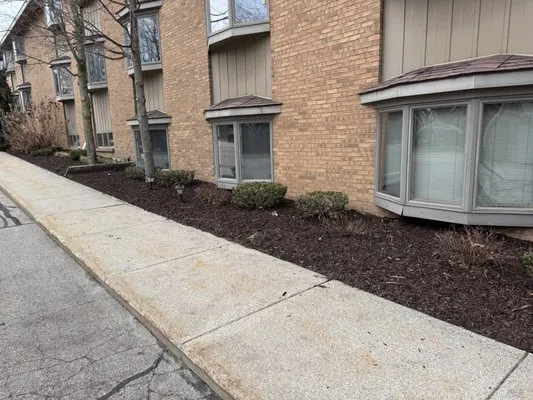
Gr8er Landscape Management is a Grand Rapids-based company providing dependable lawn care and foundation repair services to local homeowners. We focus on straightforward, quality work—from regular law...

Tyler's Lawn Care is your trusted local partner for year-round property care in Caledonia, MI. We understand the unique challenges homeowners face here, from persistent lawn moss growth to the soil co...
Monarch Gardening Service is a trusted local landscaping company dedicated to helping Grand Rapids homeowners achieve and maintain beautiful, healthy outdoor spaces. We understand the common challenge...

Matt of All Trades is a Grandville-based family business dedicated to helping local homeowners maintain and improve their outdoor spaces. As a father of three, owner Matt understands the importance of...
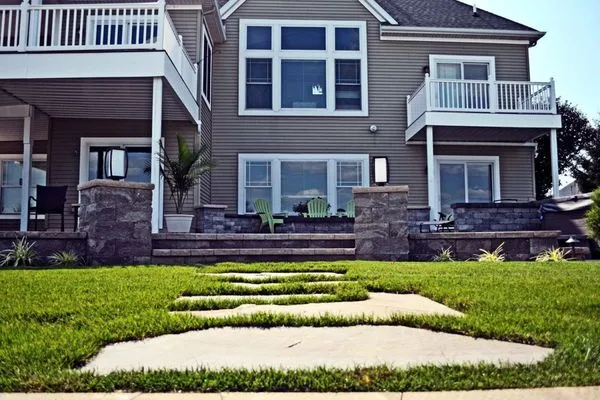
Pro-Mow Lawn Care & Landscaping
Pro-Mow Lawn Care & Landscaping is a locally-owned business serving Byron Center, MI and all of West Michigan, with over 20 years of experience in the lawn and landscaping industry. We specialize in r...
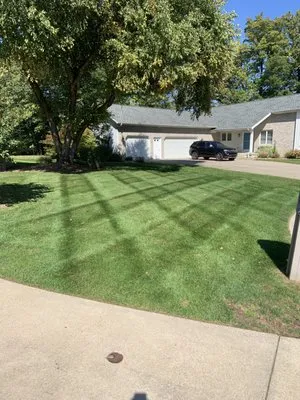
Alta Landscape Management is a dedicated Grand Rapids company focused on delivering consistent, high-quality lawn and landscape care throughout Michigan's distinct seasons. Our team understands the sp...
Jayandzem Landscape is a Grand Rapids-based landscaping company dedicated to turning outdoor visions into reality for both residential and commercial clients. We specialize in creating and maintaining...
Estimated Landscaping Service Costs in Walker, MI
Questions and Answers
We just bought a house in Walker Station. It was built in 1984. The lawn looks okay but is very compacted. What is the history of the soil here?
The soil on lots built in 1984, like yours in Walker Station, is approximately 42 years old and has experienced decades of standard maintenance. This has matured the original topsoil into a dense, sandy loam with a pH between 6.2 and 6.8. This compaction significantly reduces water infiltration and root growth. To improve its health, a core aeration program combined with organic compost amendments is recommended to reintroduce porosity and beneficial microbial activity.
We are considering having our yard regraded to improve drainage. Do we need a permit, and what should we look for in a contractor's license?
Yes, significant grading on a 0.35-acre lot often requires a permit from the City of Walker Planning Department. The contractor performing the work must hold a valid license from the Michigan Department of Licensing and Regulatory Affairs (LARA). Specifically, for earth moving and drainage, you should verify they hold the appropriate classification for landscape construction and excavation to ensure the work is performed to code and protects you from liability.
We need emergency storm debris cleanup to meet HOA compliance deadlines. How quickly can a crew arrive?
A crew can be dispatched within 20-30 minutes during peak storm response. The standard dispatch route originates near Walker City Park, proceeds east via I-96, and exits directly into the Walker Station neighborhood. This efficient routing allows for prompt site assessment and immediate deployment of equipment for debris removal, ensuring HOA standards are met swiftly.
We are considering a patio. What are the pros and cons of using concrete pavers versus natural wood?
Concrete pavers offer superior longevity and require less maintenance than wood, which is susceptible to rot and insect damage. In Walker's low fire risk zone, pavers also provide a non-combustible, defensible space. For pathways, crushed limestone is a highly permeable and cost-effective alternative to wood. Both materials are durable choices that enhance property value while requiring minimal upkeep.
With no water restrictions currently, how do we water our Kentucky Bluegrass efficiently without wasting water?
Irrigation should be managed via Wi-Fi, ET-based weather sensing controllers. These systems calculate precise evapotranspiration (ET) rates, automatically adjusting run times to match actual plant needs and current weather. This technology applies water only when and where the turf requires it, maintaining the health of your Kentucky Bluegrass and Fine Fescue blend while staying well within municipal water supply limits.
What are the biggest invasive weed threats in our area, and how can we treat them without violating fertilizer laws?
The primary invasive threats include creeping bellflower and Japanese knotweed. These should be treated with targeted, non-residual herbicides applied directly to the foliage, following all label instructions. Importantly, this treatment does not violate the Michigan State Phosphorus Fertilizer Application Act, as herbicides are distinct from fertilizers. The Act restricts phosphorus use only when establishing new lawns or proven by a soil test.
Our backyard has a seasonal high water table and floods every spring. What is the best drainage solution for our sandy loam soil?
The best solution for poor infiltration in sandy loam involves creating a positive drainage grade away from the home and installing a French drain system. This should be tied into a dry well to collect and slowly percolate excess water. For hardscaped areas, using permeable concrete pavers can significantly reduce surface runoff, often meeting City of Walker Planning Department stormwater management standards for new installations.
We want to reduce our mowing and maintenance. What are good native plant options to replace some of our high-maintenance turf?
To reduce maintenance, consider replacing sections of turf with a native plant garden. In Walker, good options include Purple Coneflower, Butterfly Milkweed, Little Bluestem, and Wild Bergamot. These species are adapted to Zone 6a and our sandy loam soil, requiring minimal water and no mowing. This approach also aligns with future noise ordinances, as it reduces reliance on gas-powered blowers and mowers.
