Top Landscaping Services in Victor, MI, 48808 | Compare & Call
There are 183 landscaping companies server in Victor MI
ArborLawn has been a trusted part of the Lansing community since 1976, providing balanced and effective care for your outdoor spaces. We specialize in lawn care, tree services, and irrigation, with a ...
Scapes Professional Landscaping is a Lansing-based landscaping and design company dedicated to enhancing outdoor spaces across the Greater Lansing area. We specialize in custom landscape design that a...
L&H Lawn Care is your dedicated, locally-owned lawn service provider in Lansing, MI. We understand the common frustrations Lansing homeowners face, such as weed infestations that overtake a lawn or ir...
Busch Landscape & Design is a Saint Johns-based landscaping company built on a foundation of genuine passion and nearly a decade of hands-on experience. Founded by a local professional who has loved l...
Repair Master 22 is a family-owned and operated handyman and contracting business proudly serving Lansing and the surrounding communities. With over three decades of combined experience, we've built o...

JD Backyard Design is a family-owned and operated landscaping and tree service company serving Owosso, MI, since 2012. Founded by owner James Dutt, who brings over 12 years of knowledge and experience...

Tommy's Complete Lawn Care is your trusted, local Lansing expert for a healthier, more beautiful outdoor space. We understand the common frustrations local homeowners face, like unsightly bare patches...
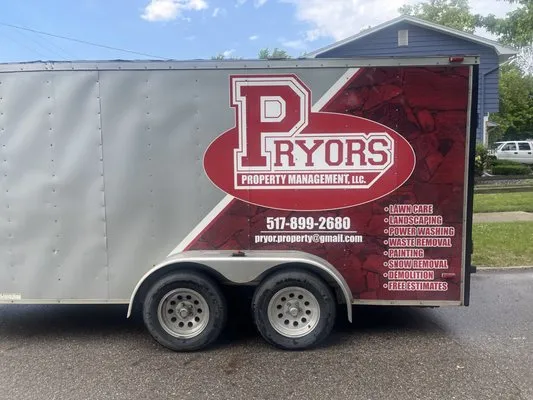
Pryor's Property Management LLC in Lansing, MI provides comprehensive property maintenance solutions, specializing in landscaping, painting, and demolition services. Our team helps local homeowners an...

Thompson Lawn Care was founded by Jacob Thompson, a local East Lansing entrepreneur whose passion for beautiful lawns started as a teenager. Drawing from over three years of hands-on experience that b...

One Cut is a locally owned and operated service business in Lansing, MI, founded by a dedicated owner who transitioned from a career in healthcare. After years in a medical facility, witnessing the ch...
Estimated Landscaping Service Costs in Victor, MI
Q&A
Our lawn seems thin and compacted. Is this common for older properties in Victor Township?
Properties built around 1980, common in Victor Township Center, have approximately 46 years of soil development on the original glacial till subsoil. This loamy glacial till naturally compacts under decades of mowing and foot traffic, reducing air and water permeability. Core aeration in early fall, followed by top-dressing with compost, is essential to introduce organic matter and mitigate the natural density of this soil type, improving root zone conditions for your Kentucky Bluegrass.
We have a large branch down from a storm. What is your typical emergency response time?
Our emergency cleanup dispatch for Victor coordinates from our central staging area near Round Lake County Park. Using M-21, we anticipate a 45- to 60-minute arrival during peak traffic conditions for immediate hazard mitigation. This protocol prioritizes clearing driveways and structures to restore safe access, with full debris processing and removal following initial site stabilization.
We want to reduce mowing and gas equipment noise. What are our options?
Transitioning perimeter zones to a native planting bed of Little Bluestem, Wild Bergamot, and Black-eyed Susan eliminates weekly mowing and mitigates future noise ordinance impacts as electric equipment becomes standard. These deep-rooted perennials support local pollinators, require no fertilization once established, and significantly reduce seasonal maintenance cycles compared to traditional turf.
Do we need a permit to regrade part of our 2.5-acre lot, and what should we verify about a contractor?
Regrading that alters stormwater flow patterns or involves significant cut-and-fill typically requires a permit from Clinton County Community Development. For a lot of this size, ensure any contractor holds appropriate licensing through the Michigan Department of Licensing and Regulatory Affairs (LARA), specifically verifying coverage for excavation and earth moving, which is distinct from standard landscaping licensing and provides necessary project oversight.
Our yard stays soggy long after rain. What's the cause and a long-term solution?
A seasonal high water table combined with the poor infiltration rate of compacted loamy glacial till creates persistent surface water. Installing a French drain system to intercept subsurface flow is the primary remedy. For new patios or paths, using permeable crushed limestone bases and concrete pavers set with open joints can increase on-site infiltration, often helping projects meet Clinton County Community Development's stormwater runoff standards.
How can we keep our lawn healthy during dry spells with the city's water conservation request?
Adhering to Stage 1 voluntary conservation is achievable with precise irrigation management. Smart Wi-Fi soil moisture sensor controllers prevent overwatering by scheduling cycles only when root zone moisture drops below optimal levels for Kentucky Bluegrass and Fine Fescue. This ET-based approach can reduce potable water use by 20-40% compared to traditional timers, maintaining turf health within municipal guidelines.
What invasive plants should we watch for, and how are they managed safely here?
Garlic mustard and spotted knapweed are prevalent invasive species alerts in this area. Manual removal before seed set is most effective. For persistent issues, targeted spot treatment with a glyphosate alternative is used, with strict adherence to label directions and a buffer zone from any water bodies to comply with the local phosphorus-free fertilizer ordinance. We avoid all treatments during spring runoff periods.
Is crushed limestone or wood mulch better for a long-lasting pathway?
Crushed limestone compacted with a plate compactor provides a permanent, permeable, and low-maintenance pathway superior to wood mulch, which decomposes and requires annual replenishment. In Victor's Low Firewise Rating zone, using non-combustible materials like limestone or concrete pavers for the first 5-10 feet around structures also contributes to critical defensible space, a key safety consideration in rural residential areas.
