Top Landscaping Services in Vicksburg, MI, 49097 | Compare & Call

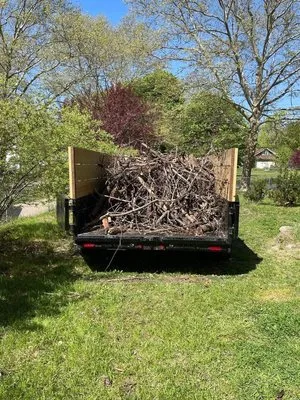
Irwin and Sons Lawn Service is a trusted, family-owned operation serving Vicksburg, Schoolcraft, Portage, and Kalamazoo. Founded on a father-son partnership, we bring a personal commitment to every pr...

NC General Services is a Vicksburg-based landscaping company that transforms outdoor spaces through comprehensive design, construction, and maintenance services. From earthmoving and driveway installa...
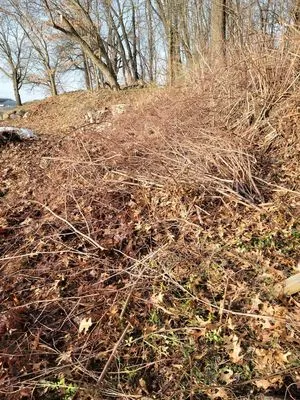
Lawn Bandits was founded in Vicksburg in 2018 by Shanon Shoffner, who brings over a decade of lawn care experience. Frustrated by corporate practices that nickel-and-dimed clients, Shanon built a comp...

AE Lawn Care is a trusted, locally-owned provider in Vicksburg, MI, dedicated to maintaining healthy, beautiful properties year-round. We understand the unique challenges Vicksburg properties face, fr...
Better Cut Lawn Service is your trusted, local landscaping partner in Vicksburg, MI. We understand the common challenges homeowners face in our area, from persistent weed infestations that spoil curb ...
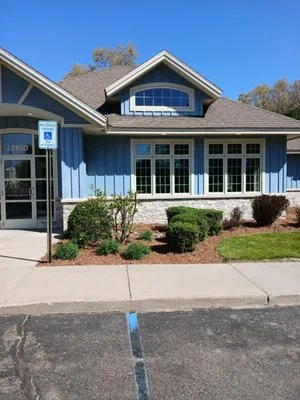
Allison Property Maintenance is your trusted local lawn care specialist serving Vicksburg, MI. We understand that many homeowners in our community face common landscaping challenges like dying shrubs ...
Common Questions
How should I handle invasive species like garlic mustard or Japanese knotweed without using restricted fertilizers?
Vicksburg's phosphorus-free fertilizer ordinance requires targeted approaches to invasive species management. For perennial invaders like Japanese knotweed, we use systemic herbicides applied directly to foliage during active growth periods, avoiding soil contamination. Mechanical removal through repeated cutting weakens root systems over time. Timing treatments outside of blackout dates specified in local ordinances ensures compliance while maximizing effectiveness. Regular monitoring prevents re-establishment, particularly along property edges where invasives often enter from adjacent natural areas.
Are concrete pavers or wood decking better for longevity and fire safety in Vicksburg?
Concrete pavers significantly outperform wood in Vicksburg's climate, with 30+ year lifespans versus 10-15 years for pressure-treated lumber. Pavers resist moisture damage from the seasonal high water table and require no chemical treatments. For fire safety, pavers and crushed limestone create defensible space rated moderate under the Community Wildfire Mitigation Plan, as they don't combust like wood surfaces. Proper installation with permeable bases also manages runoff more effectively than solid decking, meeting local drainage requirements for the 0.25-acre lot size common in the historic district.
How do I maintain Kentucky Bluegrass and Fine Fescue turf during dry periods without violating water conservation guidelines?
Smart Wi-Fi soil moisture sensor controllers optimize irrigation by measuring actual soil conditions rather than operating on fixed schedules. These systems adjust watering based on evapotranspiration rates and soil moisture levels, typically reducing water use by 20-30% compared to traditional timers. For Vicksburg's voluntary conservation climate, we program controllers to water deeply but infrequently, encouraging deeper root growth. This approach maintains turf health while staying well within municipal water system capacities during peak demand periods.
How quickly can you respond to an emergency tree cleanup after a storm in Vicksburg?
Our electric maintenance fleet can dispatch from the Vicksburg Historic Village area within 20-30 minutes during peak response times. We route via US-131 to access neighborhoods efficiently while complying with the 7:00 AM noise ordinance start time. For HOA compliance issues like overgrown vegetation, we schedule assessments within 48 hours to avoid violation notices. Electric equipment operates quietly within permitted hours, allowing early morning work without disturbing historic district residents.
Why does my lawn in the Vicksburg Historic District have drainage issues and thin grass despite regular care?
Properties built around 1983 have 43-year-old soil systems where the original sandy loam has become compacted from decades of foot traffic and equipment use. This soil type naturally has moderate permeability, but compaction reduces pore space, limiting water infiltration and root growth. Core aeration every 1-2 years is essential to restore soil structure and improve oxygen exchange. Adding organic amendments like compost enhances water retention in sandy soils while supporting microbial activity that breaks down thatch buildup.
What solutions work best for seasonal high water table issues in Vicksburg's sandy loam soils?
Sandy loam's moderate drainage capacity can be overwhelmed by Vicksburg's seasonal high water table, particularly in low-lying areas of the historic district. Installing French drains with proper gradient directs subsurface water away from foundations. Using permeable concrete pavers or crushed limestone for hardscapes meets Village of Vicksburg Planning and Zoning Department runoff standards by allowing infiltration. For severe cases, dry wells connected to downspouts provide temporary storage during heavy rainfall events, preventing surface pooling.
What permits and licenses are required for regrading and drainage work on my Vicksburg property?
The Village of Vicksburg Planning and Zoning Department requires permits for any grading that alters water flow patterns or involves more than 50 cubic yards of soil movement. On 0.25-acre lots common in the historic district, even modest regrading often triggers review due to potential impacts on neighboring properties and stormwater systems. Contractors must hold appropriate licensing through the Michigan Department of Licensing and Regulatory Affairs (LARA), specifically landscape architect registration for design work and builder's license for installation. Proper documentation ensures compliance with local ordinances and protects against liability for downstream drainage issues.
What native plant options reduce maintenance while supporting local biodiversity in my Vicksburg yard?
Replacing high-maintenance turf areas with native species like Butterfly Milkweed, Wild Bergamot, and Little Bluestem creates resilient landscapes that require minimal watering and no chemical inputs. These plants support pollinators and adapt to Vicksburg's Zone 6a climate without supplemental irrigation once established. Transitioning to electric maintenance equipment aligns with evolving noise ordinances restricting gas-powered blowers. Native plantings also contribute to the Community Wildfire Mitigation Plan by creating fire-resistant zones with lower fuel loads than traditional lawns.
