Top Landscaping Services in Vermontville Township, MI, 49096 | Compare & Call
There are 125 landscaping companies server in Vermontville Township MI
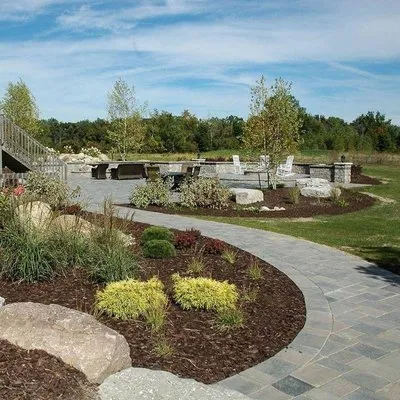
Stiles Lawn, Landscaping & Snow Removal is a family-owned and operated business serving the Greater Lansing area since 1984. As a locally owned company, we understand the specific challenges of Michig...
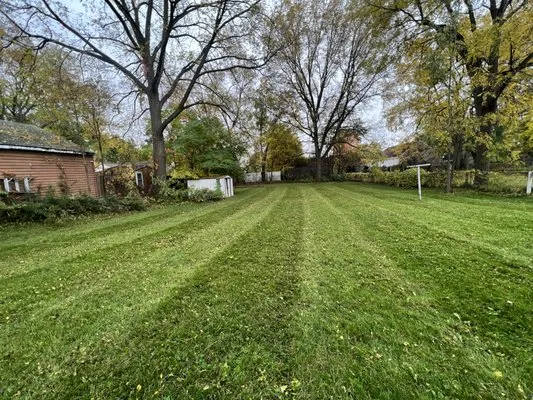
At Jays Lawn Care and Snow in Lansing, MI, we focus on delivering reliable lawn care and snow removal services to help homeowners maintain their properties year-round. Our approach is built on providi...

Joy Lawn Care Service is a family-owned and operated business founded right here in Lansing in 2020. From the beginning, our mission has been to provide reliable, affordable, and quality lawn care for...
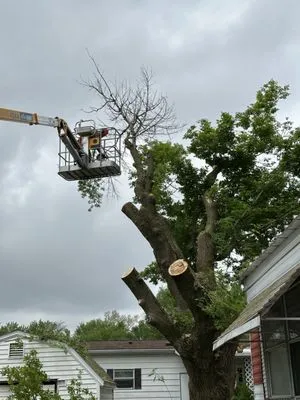
Lake State Landscaping & Snow Removal
For over 25 years, Lake State Landscaping & Snow Removal has been a trusted, locally-owned partner for Eaton Rapids residents and businesses. Our journey is built on a foundation of professional, reli...
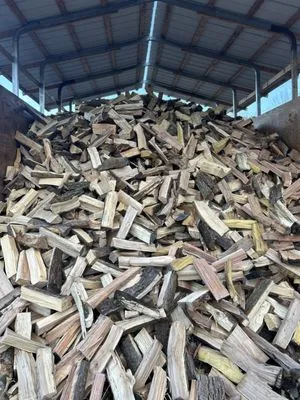
Stump Busters Tree Service
Stump Busters Tree Service is a locally-owned and operated company serving Onondaga and the surrounding communities. With over a decade in business and more than 20 years of combined experience, we pr...
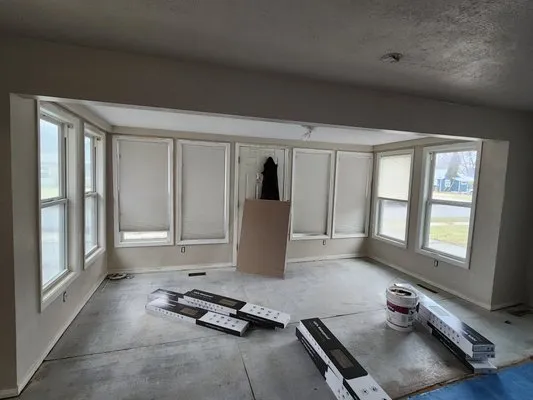
Cardenas & Sons is a family-owned and operated Lansing business providing comprehensive landscaping, handyman, and design-build services. We help homeowners solve common local outdoor issues like patc...
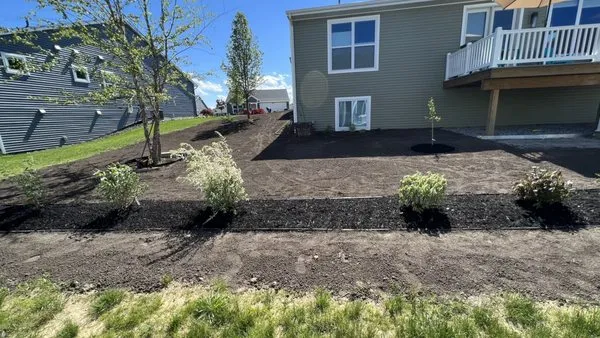
Rock Solid Landscaping & Snow Removal is your dedicated, year-round partner for outdoor care in East Lansing, MI. We build and maintain the landscapes our community enjoys, from durable hardscapes to ...
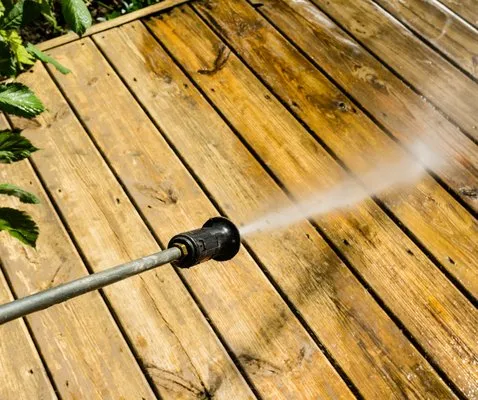
C&B Handyman Services
C&B Handyman Services is your local, full-service solution for Lansing homes and businesses. We combine expert landscaping, drywall, and junk removal services to tackle the common challenges faced by ...
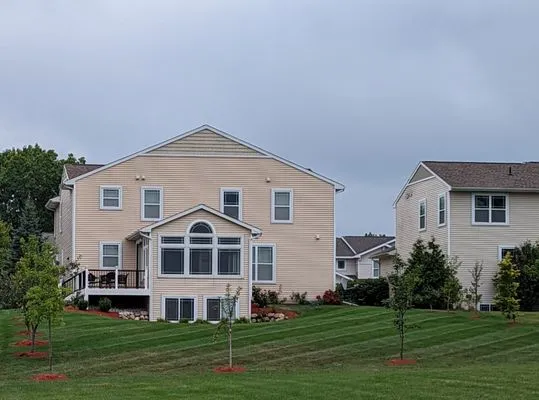
LHS Services is a Lansing-based landscaping company dedicated to transforming outdoor spaces with precision and care. We specialize in a full range of services, from landscape design and construction ...
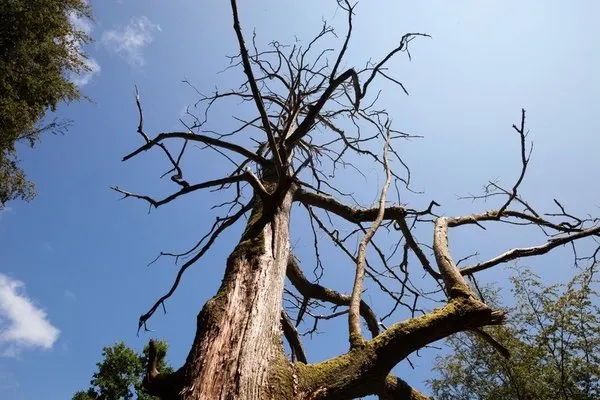
For over a decade, Rudy's Tree Service has been Lansing's trusted partner for comprehensive tree and landscape care. We understand that local homeowners face specific challenges, like managing lawn fu...
Estimated Landscaping Service Costs in Vermontville Township, MI
Questions and Answers
Can you respond quickly for emergency storm cleanup to meet HOA deadlines?
For urgent compliance or safety issues, our electric fleet can dispatch from the Vermontville Opera House area. Using M-79 allows for efficient routing to the Village Center, with a targeted 45-60 minute response during peak events. This prioritizes debris removal and hazard mitigation while operating within the 10 PM to 7 AM quiet hours ordinance for noise-sensitive equipment.
Are concrete pavers a better choice than wood for a new patio?
Concrete pavers offer superior longevity and lower lifetime maintenance compared to wood, which decays and requires sealing. In Vermontville's Low Fire Wise rating zone, non-combustible materials like pavers or crushed limestone also contribute to defensible space around structures. Their modular nature allows for excellent permeability when installed correctly, addressing both durability concerns and site-specific drainage challenges.
My yard stays soggy for days. What's the solution for poor drainage?
Seasonal high water tables and poor infiltration are common in Vermontville's loam soils. Corrective action involves improving subsurface permeability through strategic grading and installing French drains. For new hardscapes, specifying permeable concrete pavers or an open-graded crushed limestone base can significantly reduce runoff. These systems often require review by the Eaton County Building Department to ensure they meet current stormwater management standards.
What are lower-maintenance alternatives to my high-input lawn?
Transitioning turf areas to a native plant community is a forward-looking strategy. Species like Purple Coneflower, Butterfly Milkweed, Little Bluestem, and Wild Bergamot are adapted to Zone 5b and require no fertilization, minimal watering, and infrequent cutting. This xeriscaping approach reduces long-term maintenance, supports 2026 biodiversity goals, and aligns with the shift toward quieter, electric maintenance equipment mandated by local noise ordinances.
Why is my lawn so compacted and thin in the Vermontville Village Center?
Homes built around 1978, like many here, often have original construction-grade fill soils that are now nearly 50 years old. These soils have matured into a slightly acidic loam that naturally compacts over decades of standard maintenance. The lack of organic matter and soil biology inhibits root development. Annual core aeration and top-dressing with compost are necessary to rebuild soil structure and permeability for healthy turf.
Do I need a permit to regrade my 0.35-acre lot, and who is qualified to do the work?
Significant regrading that alters water flow or involves substantial earth moving typically requires a permit from the Eaton County Building Department. For professional execution, ensure your contractor holds appropriate licensing through the Michigan Department of Licensing and Regulatory Affairs (LARA). This is particularly important for work that impacts drainage patterns or property lines on a lot of this size, as improper grading can create legal liabilities and environmental issues.
How do I keep my Kentucky Bluegrass lawn green without wasting water?
Despite no mandatory restrictions, voluntary conservation is critical. Smart Wi-Fi soil moisture sensor controllers are the standard for irrigation in USDA Zone 5b. These systems schedule watering based on actual evapotranspiration (ET) and soil conditions, applying water only when the root zone needs it. This technology prevents overwatering, which exacerbates our local high water table issues, and maintains turf health within municipal water system limits.
How should I deal with invasive weeds like creeping Charlie without harming my garden?
Targeted manual removal or precise spot-treatment with approved herbicides is effective for common invasives. Timing is critical to avoid the blackout dates under the Michigan Fertilizer Act, which restricts phosphorus applications near water bodies. Building soil health through proper organic amendments and promoting dense native plantings are the best long-term defenses, as healthy ecosystems naturally resist invasion.
