Top Landscaping Services in Utica, MI, 48313 | Compare & Call
There are 207 landscaping companies server in Utica MI
For over 25 years, Exterior Elements has been a trusted name in Utica, MI, dedicated to crafting and maintaining beautiful, functional outdoor spaces. As a family-owned and operated local business, we...

Custom Property Services
Custom Property Services is a locally-owned Shelby Township business, founded in 2013 by a young entrepreneur who grew up right here in the Greater Detroit area. With a natural feel for property maint...

Ramsey & Sons is a trusted general contracting and landscaping company serving Sterling Heights, MI. We help homeowners protect their property investment by addressing common local landscaping challen...

Bailey's Property Management Firm
Bailey's Property Management Firm in Shelby Township, MI is a locally-owned landscaping service with deep roots in the community. Founded by owners with 25 years of combined experience, the firm speci...
Mike's Clean Cut Landscaping is a Sterling Heights-based landscaping company dedicated to transforming local outdoor spaces. We specialize in addressing common area challenges like persistent weed inf...
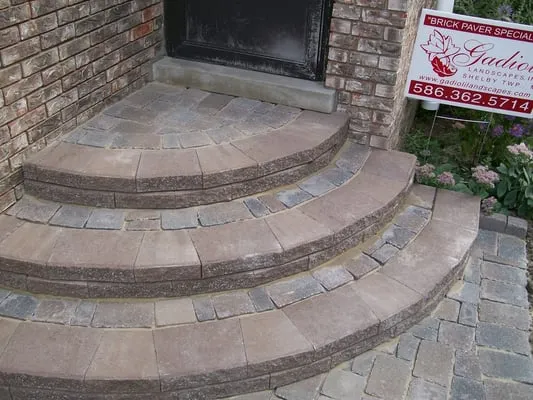
Gadioli Landscapes is a Sterling Heights-based landscaping company founded in 2002 by a Central Michigan University graduate. With over 15 years of experience serving Southeast Michigan, we specialize...
Reeser Outdoor LLC is a locally owned and operated lawn care service in Clinton Township, MI, dedicated to providing reliable and efficient property maintenance. We specialize in weekly, precision-cut...
Estimated Landscaping Service Costs in Utica, MI
Common Questions
Why is proper licensing important for a landscaping project on my 0.22-acre lot?
Significant grading, drainage work, or structural installations often require a permit from the Utica Building Department. A contractor licensed by the Michigan Department of Licensing and Regulatory Affairs (LARA) carries the required insurance and bond, ensuring the work meets code for erosion control and property line setbacks. This protects you from liability and substandard work that could affect your lot's drainage or your neighbor's property.
Is there a lower-maintenance alternative to my traditional lawn?
Transitioning perimeter zones to a xeriscape with native plants like Common Milkweed, Wild Bergamot, and Big Bluestem significantly reduces water, mowing, and chemical inputs. These deep-rooted perennials are adapted to Zone 6a and support local biodiversity. This shift also future-proofs your property against evolving noise ordinances targeting gas-powered blowers and mowers.
Why does my Heritage District lawn look thin and compacted despite regular care?
Properties built around 1976, like many in this neighborhood, have 50-year-old soil profiles. The loamy glacial till common here naturally settles and loses organic matter over decades, leading to poor percolation and root development. Core aeration every other fall is essential to fracture this compaction, followed by top-dressing with compost to rebuild soil structure and support your grass blend.
Can you perform emergency storm cleanup to meet an HOA compliance deadline?
Yes. Our dispatch from Memorial Park uses M-59 (Hall Rd) for efficient access to the Heritage District. During peak hours, we allocate electric-charged equipment fleets to maintain a 20-30 minute response window. This allows for immediate debris management and limb removal while adhering to municipal noise ordinances that restrict operation to standard daytime hours.
What should I do if I spot invasive plants like Garlic Mustard or Japanese Knotweed?
Manual removal before seed set is critical for early-stage invasions. For established perennial weeds, targeted, professional-grade herbicide applications may be necessary. All treatments must comply with the Michigan Fertilizer Application Act, which restricts phosphorus use and mandates specific application windows. We develop a management plan that avoids these blackout dates and prevents soil or water contamination.
My yard stays soggy for days after rain. What's a long-term solution?
A high seasonal water table combined with poorly infiltrating glacial till creates chronic surface water. Regrading to create positive flow away from foundations is the first step. For hardscapes, specifying permeable concrete pavers or an open-graded crushed limestone base increases subsurface drainage, helping projects meet Utica Building Department standards for stormwater runoff and reducing ponding.
Are concrete pavers a better choice than wood for a new patio?
In Utica's climate, concrete pavers offer superior longevity with minimal maintenance compared to wood, which requires regular sealing and is susceptible to rot. For fire-wise considerations in this low-risk urban setting, pavers and crushed limestone also provide a stable, non-combustible surface that can contribute to defensible space, though their primary benefit here is permeability and durability against freeze-thaw cycles.
How can I keep my Kentucky Bluegrass healthy during summer without wasting water?
Wi-Fi ET-based weather sensing controllers are the standard for Utica's voluntary conservation climate. These systems automatically adjust irrigation schedules by calculating daily evapotranspiration (ET) rates, applying water only when needed. This technology typically reduces usage by 20-30%, preserving turf health within municipal guidelines by preventing both drought stress and oversaturation.
