Top Landscaping Services in Twin Lake, MI, 49457 | Compare & Call

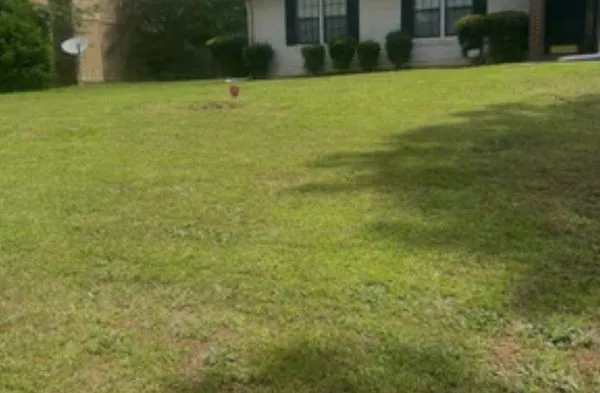
Schaub & Sons Lawn Care is a family-owned and operated lawn service based right here in Twin Lake, Michigan. We understand the unique challenges local homeowners face, from stubborn lawn fungus to fru...

Nash Landscape Maintenance in Twin Lake, MI, is your local partner for a healthy, vibrant yard. We understand the specific challenges Twin Lake homeowners face, such as stubborn bare patches in lawns ...
Vanleeuwen's Lawn Service is a trusted, locally-owned landscaping company serving Twin Lake, MI, and the surrounding areas. We specialize in tackling the specific challenges homeowners face in our reg...

Viking Land Management
Viking Land Management is a trusted excavation and landscaping company serving Twin Lake, MI, and surrounding areas. With over 10 years of experience, we specialize in comprehensive land management so...
B & H Lawncare & Snow Removal is a trusted, year-round service provider for Twin Lake, MI residents. We specialize in comprehensive lawn care and reliable snow removal, ensuring your property looks it...
Question Answers
My sandy soil drains too fast. How can I manage runoff and keep nutrients in place?
Rapid nutrient leaching is a documented hazard of sandy loam. The solution is twofold: increase soil organic matter and install permeable hardscapes. Using crushed limestone for paths or concrete pavers set on a gravel base creates a permeable surface that meets Muskegon County Planning & Zoning runoff standards. This allows water to infiltrate slowly, reducing erosion and filtering nutrients before they reach the watershed.
What are my options for a lower-maintenance, quieter yard?
Transitioning high-maintenance turf to a native plant palette is a forward-looking strategy. Species like Butterfly Milkweed, Wild Bergamot, and Little Bluestem are adapted to Zone 6a and require no fertilization or frequent mowing. This reduces reliance on gas-powered equipment, aligning with evolving noise ordinances and electric fleet trends. The resulting landscape supports local biodiversity and requires significantly less water.
Why does my lawn in Twin Lake Central have trouble holding water and nutrients?
Homes built around 1986, common in your neighborhood, have soil approximately 40 years old. In our sandy loam, this duration allows for moderate organic matter depletion. The soil's high permeability leads to rapid nutrient leaching and poor water retention. Core aeration combined with a 1/4-inch top-dressing of composted organic matter, applied in early fall, will significantly improve soil structure and cation exchange capacity.
Why is proper licensing so important for grading or retaining wall projects?
Altering the grade on a 0.45-acre lot can significantly impact drainage and neighboring properties. Muskegon County Planning & Zoning requires permits for such work to ensure it meets erosion control and engineering standards. A contractor must hold appropriate licensing through the Michigan Department of Licensing and Regulatory Affairs (LARA), which validates their knowledge of state codes, liability insurance, and bonding, protecting your property investment.
What invasive species should I watch for, and how do I treat them safely?
Common invasive alerts for this area include Garlic Mustard and Spotted Knapweed. Manual removal before seed set is most effective. For persistent issues, a targeted, phosphorus-free herbicide application may be necessary, strictly following label instructions. It is critical to avoid any fertilizer or treatment near water bodies to comply with local phosphorus ordinances and protect Twin Lake's watershed health.
Is it possible to have a healthy lawn under Twin Lake's voluntary water conservation?
Absolutely. Wi-Fi ET-based weather-sensing irrigation is the key technology for compliance. It automatically adjusts runtimes based on real-time evapotranspiration data, preventing overwatering. For your Kentucky Bluegrass and Fine Fescue blend, this system delivers precise hydration only when needed, maintaining turf health while conserving a significant volume of municipal water annually.
How quickly can you respond to an emergency like a storm-damaged tree blocking a driveway?
For urgent HOA compliance or safety issues, we dispatch from our staging near Twin Lake County Park. Using US-31, our peak storm response to most Twin Lake Central addresses is 25-35 minutes. Our electric fleet operates quietly within the 10 PM to 7 AM quiet hours, enabling early morning or late evening response if necessary to clear hazards without disturbance.
Are concrete pavers a better long-term choice than wood for a patio?
For longevity and fire resilience, inorganic materials like concrete pavers are superior. They do not rot, warp, or attract pests. In our Moderate Wildland-Urban Interface rating, creating defensible space is prudent. Pavers and crushed limestone provide a non-combustible zone around structures, a key Firewise principle. Their durability also means less frequent replacement, offering better lifecycle value than wood in our climate.
