Top Landscaping Services in Troy, MI, 48007 | Compare & Call

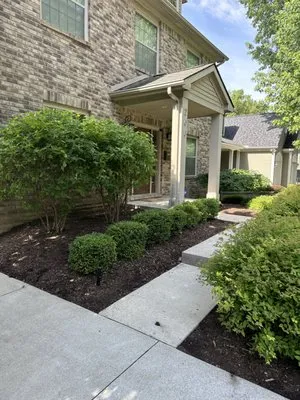
Clean Earth Lawn Care has been the trusted lawn care and outdoor service provider for Troy, MI homeowners since 2008. Founded by Scott Pippin, our work is driven by genuine gratitude for our clients a...
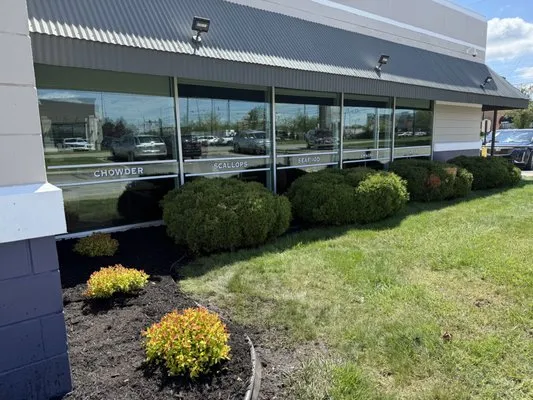
My Michigan Landscaper has been a trusted local resource for Troy, MI, and the surrounding communities for 20 years. We provide dependable, year-round property care, from lawn maintenance and tree ser...
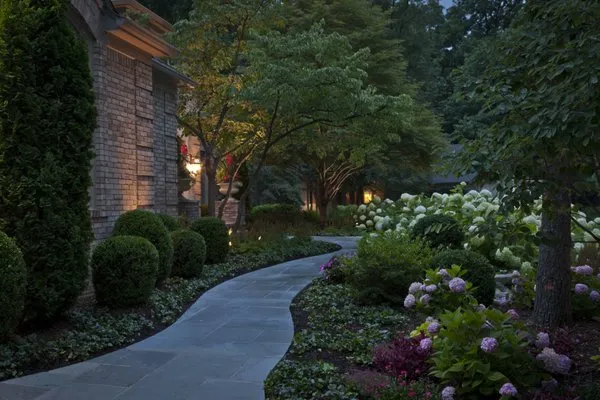
Twin Pines Landscaping
Twin Pines Landscaping has been a trusted name in Troy, MI, for over a decade, transforming outdoor spaces into cohesive and enduring landscapes. We specialize in comprehensive master planning, guidin...
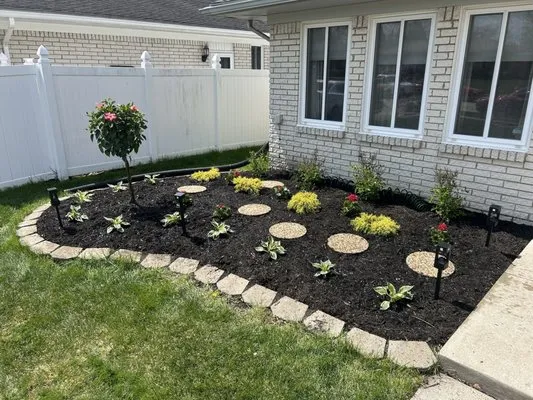
Jack Landscapes is your Troy-based partner for a complete and thriving outdoor space. We provide a full suite of landscaping services, from foundational design and installation to ongoing maintenance ...

Villas Lawncare & Landscaping is a dedicated Troy, MI, company focused on creating and maintaining healthy, resilient lawns that thrive in our local climate. We understand the common local frustration...
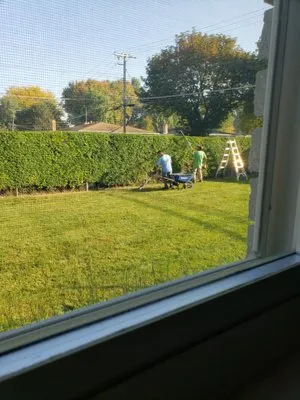
For over a decade, Greenline Lawn Service has been a trusted partner for homeowners and businesses in Troy, MI, dedicated to enhancing and maintaining the health and beauty of outdoor spaces. We provi...
Mac's Landscaping Co is a locally-owned landscaping company serving homeowners throughout Troy, MI. We understand the common challenges faced by local properties, such as patchy lawn grass and overgro...
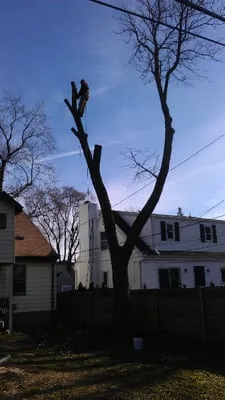
RNS Landscaping Solutions is a full-service landscaping company serving Troy, MI, specializing in tree services, landscaping, and snow removal. We help Troy homeowners and businesses maintain healthy,...
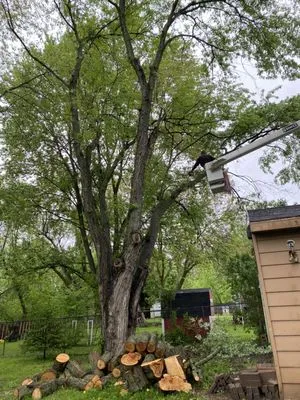
LaPlante’s Maintenance and Arborist has been a trusted name in Troy, MI, since 1998, bringing over two decades of dedicated service to the community. As a locally owned and operated business, we speci...
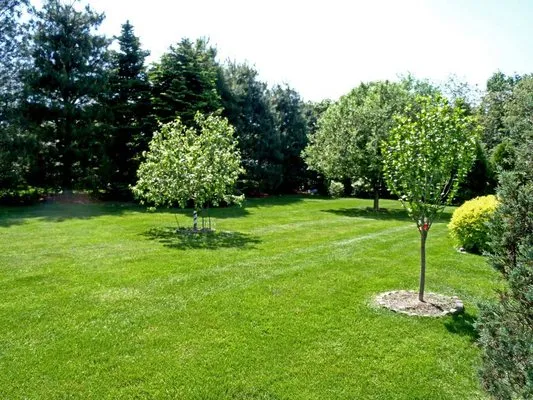
G&T Landscaping is a trusted, locally-owned landscaping company serving homeowners and businesses in Troy, Michigan. We specialize in diagnosing and resolving the common local landscaping issues that ...
Common Questions
How quickly can you respond to an HOA violation notice for overgrown vegetation?
Emergency cleanup crews dispatch from the Troy Civic Center area, taking I-75 to reach Boulan Park neighborhoods within 20-30 minutes during peak hours. This routing avoids surface street congestion while complying with Troy's 7:00 AM to 9:00 PM noise ordinance for equipment operation. The response window accommodates same-day correction of most compliance issues, particularly during the May-October growing season when weekly mowing maintains Kentucky Bluegrass standards.
What solutions address seasonal standing water in my clay-heavy Troy yard?
Troy's high seasonal water table interacts with clay compaction layers in slightly alkaline loam soils, creating persistent drainage issues. Permeable concrete pavers installed with proper base materials provide 30-40% surface permeability, meeting Troy Planning & Development Department runoff standards. This approach creates infiltration zones that redirect water from saturated areas while supporting soil structure through improved oxygen exchange at critical root depths.
Why does my 60-year-old Troy lawn struggle with compaction and poor drainage?
Troy's Boulan Park neighborhood lots, developed around 1966, have 60-year-old soil profiles with slightly alkaline loam (pH 7.2-7.5). Decades of foot traffic and equipment use have created localized clay compaction layers that reduce soil percolation. Core aeration with organic amendments like composted leaf mold addresses this by improving pore space and microbial activity. This treatment mimics natural soil development processes that would normally occur over centuries.
Can I maintain healthy turf while following Troy's voluntary water conservation guidelines?
Wi-Fi ET-based weather sensing controllers optimize irrigation by calculating actual evapotranspiration rates for your specific microclimate. These systems automatically adjust watering schedules based on real-time weather data, reducing water use by 15-25% while preserving Kentucky Bluegrass and Perennial Ryegrass health. During Stage 1 voluntary conservation periods, this technology ensures compliance while preventing drought stress through precise moisture management at the root zone level.
How do I control invasive species without violating local fertilizer regulations?
Japanese knotweed and garlic mustard present the highest invasive risks in Troy's slightly alkaline soils. Manual removal during early growth stages prevents establishment without chemical treatments. For persistent infestations, targeted spot applications of phosphorus-free herbicides comply with Troy's fertilizer ordinance while protecting soil microbiology. Timing interventions before mid-April mulching season prevents reinfestation through contaminated organic materials.
What permits and licenses are required for regrading my 0.28-acre Troy property?
Grading projects exceeding 100 cubic yards of soil movement require permits from the Troy Planning & Development Department, with specific erosion control plans for Boulan Park's drainage patterns. Michigan LARA licensing mandates that contractors performing this work hold either a residential builder or maintenance/alteration license. On 0.28-acre lots, even minor elevation changes can affect watershed dynamics, necessitating professional oversight to prevent downstream sedimentation violations.
Are permeable pavers better than wood decking for long-term durability in Michigan?
Permeable concrete pavers offer 25-40 year lifespans versus wood's 10-15 year cycle with maintenance. Their non-combustible nature supports Troy's low Fire Wise rating requirements for defensible space in urban settings. Unlike wood, pavers maintain structural integrity through freeze-thaw cycles while providing critical drainage functions that reduce hydrostatic pressure on foundation walls. This material selection addresses both longevity concerns and evolving climate adaptation standards.
What low-maintenance alternatives reduce my reliance on gas-powered equipment?
Transitioning turf areas to native plantings like Purple Coneflower, Wild Bergamot, Butterfly Milkweed, and Little Bluestem creates self-sustaining ecosystems requiring minimal intervention. These species thrive in Troy's USDA Zone 6a conditions without weekly mowing, aligning with evolving noise ordinances restricting gas-powered equipment. The deep root systems of native plants improve soil structure while providing year-round habitat value that exceeds 2026 biodiversity benchmarks for suburban landscapes.
