Top Landscaping Services in Traverse City, MI, 49684 | Compare & Call
There are 150 landscaping companies server in Traverse City MI
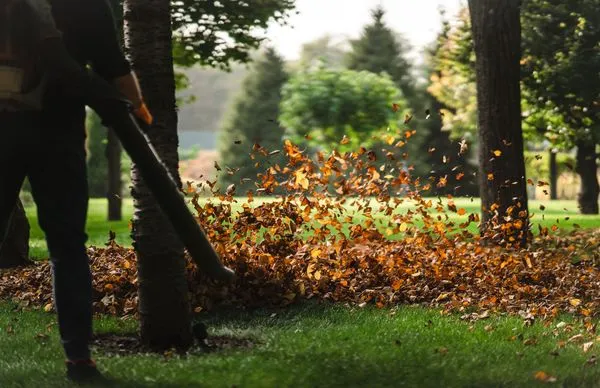
Fresh Tracks Snow and Landscapes is a Traverse City-based company dedicated to the year-round care of residential and commercial properties. We believe in treating every property with the same attenti...

Bay View Landscape
Bay View Landscape is a Traverse City-based landscaping company specializing in comprehensive outdoor solutions for Northern Michigan homeowners. We offer professional snow removal, lawn care, and exp...

Properties of The North
Properties of The North is a family-owned and operated business proudly serving Grand Traverse and Leelanau County for over three decades. We offer a comprehensive range of outdoor services for your p...
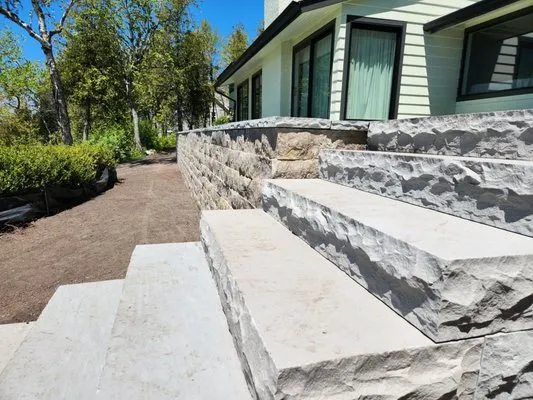
Serenity Landscaping is a dedicated, locally-owned landscaping company serving Traverse City, MI, and the surrounding Grand Traverse region. We specialize in creating and maintaining beautiful, resili...
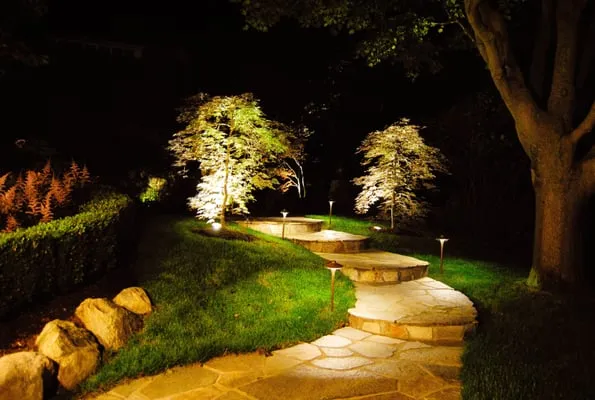
Landscape Logic is a licensed landscape design and maintenance firm based in Charlevoix, Michigan. For over a decade, we've built a reputation as a forward-thinking partner for homeowners across North...

TC Outdoors is a Traverse City landscaping company dedicated to helping local homeowners maintain healthy, beautiful outdoor spaces. We understand the unique challenges of Northern Michigan's climate,...
Crouch's Outdoor Services
Crouch's Outdoor Services is a Traverse City family-owned business, founded in 2015 by an owner with over 15 years of hands-on experience in the field. We specialize in creating and maintaining beauti...
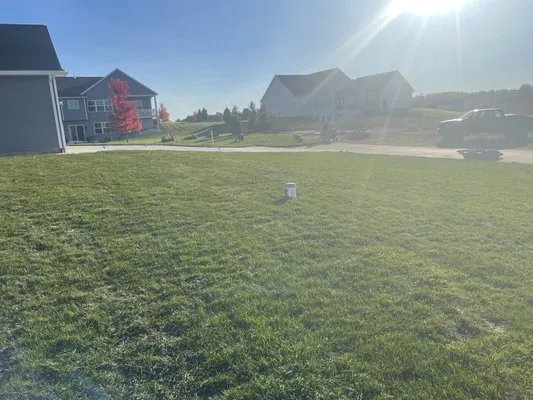
AI & L is your dedicated partner for landscaping and irrigation in Kalkaska, MI. We understand the unique challenges faced by local homeowners, from rock gardens shifting over time to frustrating irri...
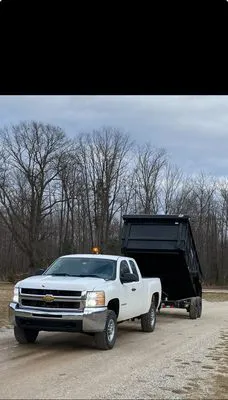
Crown Tree Works LLC is a Lake Ann-based tree and property care service owned and operated by Collin Ostrowski. We focus on the essential outdoor tasks that keep your property healthy, safe, and looki...
Grand Traverse Construction
Grand Traverse Construction is a trusted, full-service contractor in Traverse City, MI, specializing in landscaping, masonry/concrete, and carpentry. We understand the unique challenges of Northern Mi...
Estimated Landscaping Service Costs in Traverse City, MI
Q&A
Do I need a permit to regrade my backyard, and what should I check for when hiring a contractor?
Significant regrading on a 0.22-acre lot often requires a permit from the Traverse City Planning & Zoning Department to ensure proper stormwater management and adherence to setback rules. You must verify the contractor holds appropriate licensing through the Michigan Department of Licensing and Regulatory Affairs (LARA). This licensing ensures they carry required insurance and have the expertise to execute earthwork that won't cause drainage issues for your or neighboring properties.
Is it wasteful to water my Kentucky Bluegrass lawn during dry spells?
Modern Wi-Fi ET-based irrigation controllers prevent waste by watering only when needed. They use real-time evapotranspiration data from local weather stations to calculate precise run times, automatically skipping cycles after rain. This technology maintains turf health while conserving water, aligning with Traverse City's voluntary conservation stance. Properly calibrated systems apply water at a rate the sandy loam can absorb, minimizing leaching.
How quickly can you respond for an emergency tree limb cleanup after a storm?
Our standard storm response from our central dispatch near Clinch Park is 15-20 minutes to Old Town via US-31. This accounts for peak traffic and safe travel with equipment. We prioritize hazards blocking driveways or threatening structures. Crews carry chippers and loaders to clear debris rapidly, adhering to the city's noise ordinance which restricts operation to between 7 AM and 9 PM.
Why does my soil look so tired and compacted compared to my neighbor's new build?
Soil in Traverse City's Old Town neighborhood, where homes average 69 years old, has reached a mature but often degraded state. Original sandy loam topsoil has frequently been lost to construction and erosion, leaving a dense, nutrient-poor subsoil. This compaction severely limits root growth and water infiltration. Core aeration and incorporating 2-3 inches of compost are critical first steps to rebuild soil structure and biological activity.
Are permeable pavers a better long-term choice than a wood deck for my new patio?
Permeable concrete pavers offer superior longevity and functionality compared to wood in our climate. They resist frost heave, require no sealing or staining, and their permeable nature directly addresses site drainage. For properties in Moderate Wildland-Urban Interface zones, pavers also contribute to defensible space by providing a non-combustible surface, a key consideration for Fire Wise compliance that wood cannot meet.
I'm tired of weekly mowing and gas blower noise. Are there quieter, lower-maintenance options?
Transitioning to a landscape dominated by native plants like Purple Coneflower, Butterfly Milkweed, and Little Bluestem drastically reduces maintenance. These deep-rooted perennials require no mowing, minimal water once established, and support local pollinators. This shift future-proofs your property against potential tighter noise ordinances on gas equipment and aligns with biodiversity goals, creating a resilient, self-sustaining garden.
My yard drains too fast and fertilizers seem to just wash away. What's the solution?
High permeability in sandy loam leads to rapid leaching of water and nutrients. The solution is improving the soil's water-holding capacity with organic matter and using surface strategies that slow runoff. Installing permeable concrete pavers for patios or walkways allows stormwater to infiltrate on-site, which meets Traverse City Planning & Zoning Department standards for managing runoff. This combats the 'fast drain' issue at its source.
What invasive species should I watch for, and how do I remove them safely?
Common invasive alerts in this area include Garlic Mustard, Spotted Knapweed, and Japanese Knotweed. Manual removal for small infestations is effective before seed set. For larger issues, targeted herbicide application by a licensed professional is often necessary. All treatments must use phosphorus-free fertilizers and herbicides as mandated by state law, and applications are timed to avoid peak seasonal blackout dates to protect water quality.
