Top Landscaping Services in Three Rivers, MI, 49093 | Compare & Call

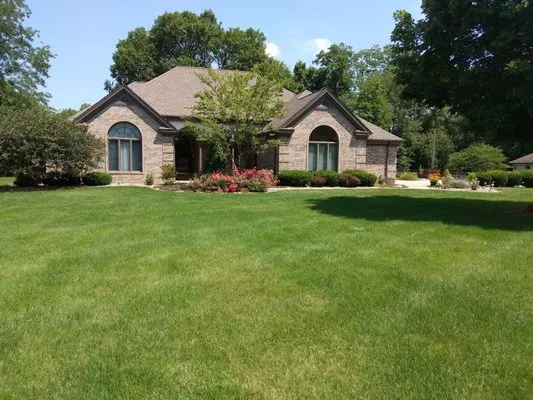
C&N Lawn Care is a Three Rivers-based service provider dedicated to reliable yard maintenance and health. We offer comprehensive lawn and tree care, from routine mowing and edging to specialized shrub...
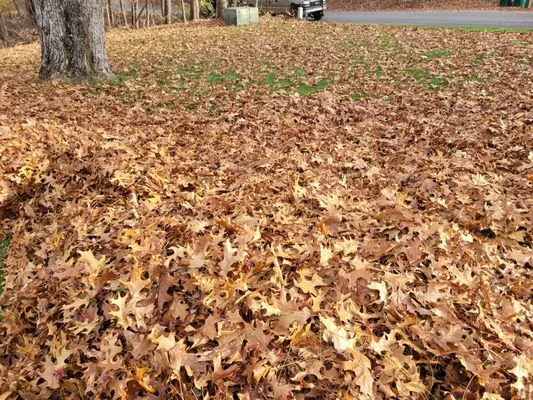
Precise Landscaping is a family-owned and operated business proudly serving Three Rivers, MI. Founded on the principle of providing reliable, high-quality services at a fair price, our work is a sourc...
Culbertson Custom Yard is a trusted, family-owned lawn and tree service provider serving Three Rivers, MI, and the surrounding areas. We specialize in comprehensive lawn care, tree care, and safe, eff...
TJ's Custom Outdoor Services is a trusted, locally-owned business in Three Rivers, MI, dedicated to keeping your property beautiful and functional year-round. We specialize in comprehensive lawn care,...
Ron's Yardcare is a trusted local lawn service provider in Three Rivers, MI, dedicated to helping homeowners maintain healthy, beautiful lawns. We specialize in comprehensive lawn care solutions that ...

Seven Blades Lawncare is a trusted, locally-owned landscaping service provider serving Three Rivers, MI, and the surrounding area. We specialize in comprehensive lawn care, reliable snow removal, and ...
Mowtowne Landscape Service is a trusted local landscaping company serving Three Rivers, MI, and the surrounding areas. We specialize in addressing common local landscaping challenges, such as lawn mos...
First Impressions Lawn Care is your trusted local lawn care specialist in Three Rivers, MI, dedicated to creating and maintaining beautiful, healthy landscapes. We understand the unique challenges fac...
O'Neill's Lawn Maintenance is a trusted, locally-owned lawn care provider in Three Rivers, MI. We understand the common local challenges of dead lawn patches and soil compaction that can plague area y...
Doo Be Gone is a Three Rivers-based service company dedicated to helping local homeowners maintain clean, safe, and healthy outdoor spaces. We specialize in professional dog waste removal, lawn care, ...
FAQs
Is there a lower-maintenance, eco-friendly alternative to my traditional grass lawn?
Transitioning sections of high-input turf to a native plant community is a forward-looking strategy. Species like Little Bluestem, Purple Coneflower, and Wild Bergamot are adapted to Zone 6a conditions, require no fertilization, and are deeply drought-resilient. This shift reduces mowing frequency, eliminates gas-powered blower use during restricted hours, and provides critical habitat, aligning with emerging 2026 biodiversity and quiet equipment ordinances anticipated for urban-wildland interfaces.
What should I do about invasive plants like Garlic Mustard without using harsh chemicals?
For invasive species such as Garlic Mustard or Spotted Knapweed, manual removal prior to seed set is the primary control. For persistent perennial issues, a targeted, systemic herbicide applied by a licensed professional in the dormant season may be necessary. All treatments must use phosphorus-free fertilizers and herbicides as mandated by Michigan law, with careful timing to avoid application blackout dates near waterways to protect the local watershed from nutrient loading.
What permits and credentials should I verify before hiring for a major grading project?
Any significant earth-moving or grading on a 0.22-acre lot likely requires a permit from the Three Rivers City Clerk and Zoning Department. Crucially, verify the contractor holds appropriate licensing through the Michigan Department of Licensing and Regulatory Affairs (LARA). This ensures they are bonded, insured, and knowledgeable about state sediment control laws and local codes, protecting you from liability related to runoff, property damage, or improper execution that could affect drainage on adjacent parcels.
Why does my lawn in the Riverside Historic District have such poor soil?
Homes in this neighborhood, averaging from 1961, have had 65 years for their soil profile to develop. The original sandy loam topsoil has likely become compacted and nutrient-depleted from decades of standard maintenance, lacking the organic matter necessary for healthy root systems. This is why core aeration and the incorporation of composted organic amendments are critical first steps. Restoring soil biology and structure addresses the underlying cause of thin turf and poor plant vitality more effectively than surface treatments alone.
How can I keep my Kentucky Bluegrass lawn healthy during summer without wasting water?
Wi-Fi ET-based irrigation controllers are the solution for Three Rivers' voluntary conservation climate. These systems use real-time evapotranspiration data from local weather stations to apply only the precise amount of water your turfgrass blend has actually used. This technology prevents overwatering, encourages deeper root growth, and maintains soil percolation rates, all while staying well within responsible municipal water use parameters. It automates conservation based on science, not a fixed schedule.
Are concrete pavers a better long-term choice than wood for a new patio?
For longevity and reduced maintenance, concrete pavers outperform wood in our climate. They offer superior durability against freeze-thaw cycles, do not rot or splinter, and provide a stable, permeable surface. In the context of Three Rivers' Low Fire Wise Rating, non-combustible materials like pavers or crushed limestone also contribute to defensible space by creating a fuel break, a prudent consideration for any property in a wildland-urban interface zone.
How quickly can you respond for an emergency storm cleanup to meet HOA compliance?
Our dispatch for the Riverside Historic District is prioritized from our central staging at Scidmore Park. Using US-131, we can typically mobilize a crew with electric equipment, compliant with local noise ordinances, within the 20–30 minute window for peak storm response. This routing allows for efficient debris management, branch removal, and site stabilization to swiftly address safety hazards and return your property to compliance standards.
My yard stays soggy for days after rain. What's the cause and a permanent fix?
The moderate seasonal high water table in our area, combined with sandy loam's varying permeability, often leads to persistent surface water. Installing a French drain system tied to a dry well or daylight outlet is the fundamental correction. For new hardscapes, specifying permeable concrete pavers or open-graded crushed limestone bases can significantly reduce runoff, often helping projects meet the City Clerk and Zoning Department's updated stormwater management standards for residential lots.
