Top Landscaping Services in Three Oaks, MI, 49128 | Compare & Call
There are 42 landscaping companies server in Three Oaks MI
Revive Lawncare & Pressure Washing is a trusted local service provider in Harbert, MI, dedicated to enhancing and protecting the curb appeal of area homes. Many homeowners in our community face common...
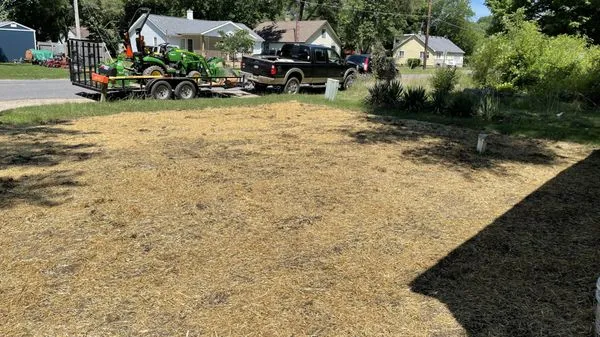
Hawks Lawn Care is a trusted, locally-owned lawn service and gardening company serving St. Joseph, MI. We understand the specific challenges homeowners face in our area, from persistent sprinkler leak...
Pizzo & Associates
Pizzo & Associates is a trusted Three Oaks, MI, landscape design firm dedicated to enhancing local properties with thoughtful, sustainable solutions. We understand the unique challenges of our area, s...
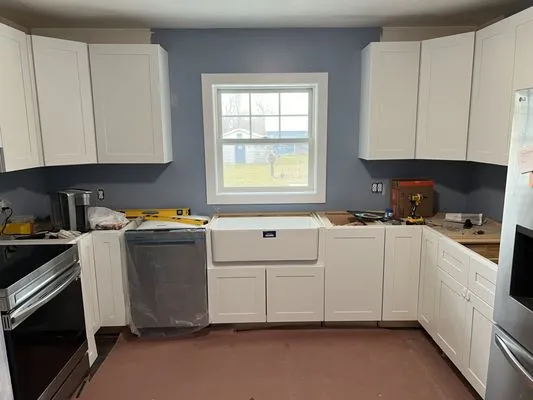
Hey Honey Handyman and Property Services is a trusted local provider in Stevensville, MI, specializing in handyman and landscaping solutions. With years of experience and a commitment to quality, we h...
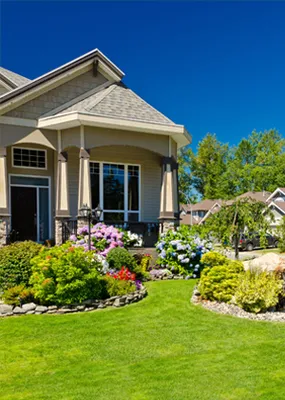
Second Nature Gardens
At Second Nature Gardens, we are your local partners for creating and maintaining beautiful, functional outdoor spaces in Saint Joseph and throughout Berrien County. As a licensed lawn applicator and ...
Wildroot Farms is a family-operated nursery and landscaping company in Sawyer, MI, with decades of experience helping local residents cultivate their ideal outdoor spaces. Founded and run by Melissa a...
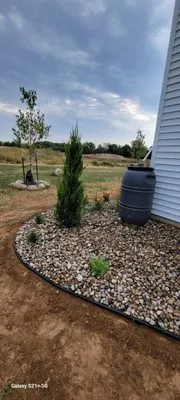
Outdoor Innovations Landscaping brings over a decade of combined hands-on experience to every project in Berrien Springs and surrounding communities. As a locally owned and operated company, we approa...

Prenkert Landscaping & Lawn Care is a veteran-owned business proudly serving Sawyer, Michigan, and the surrounding Southwest Michigan area. Founded in 2022, we bring a disciplined, detail-oriented app...
Salzman Services
Salzman Services in Niles, MI, is a full-service landscaping and construction company specializing in transforming challenging outdoor spaces into beautiful, functional areas. We combine landscape des...
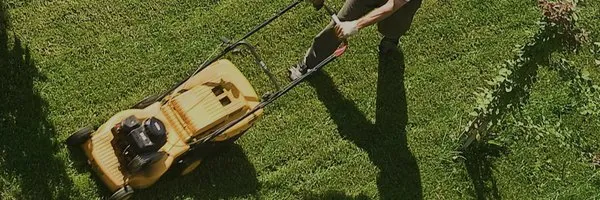
Shavery's Lawn Service is a locally owned and operated business in St. Joseph, MI, founded by a nephew and uncle team who saw a need for dedicated care for larger residential lawns. We specialize in m...
Estimated Landscaping Service Costs in Three Oaks, MI
Q&A
How quickly can you respond to an emergency tree cleanup after a storm?
Our electric fleet dispatches from Dewey Cannon Park via I-94, reaching most Three Oaks Village Center locations within 20-30 minutes during peak conditions. This rapid response meets HOA compliance deadlines while adhering to the 8:00 AM to 8:00 PM noise ordinance with quiet equipment. We prioritize safety assessments and debris removal to restore property access and prevent further damage from compromised trees.
What solutions exist for seasonal water pooling in sandy loam soil?
Seasonal high water tables in sandy loam require improved infiltration through French drains or dry wells that redirect subsurface flow. Permeable concrete pavers meet Three Oaks Village Planning Commission runoff standards by allowing 80-90% of rainfall to percolate. Grading adjustments with 2% slope away from structures complement these installations. Combined systems manage poor infiltration while preventing foundation damage and soil erosion.
Why does my Three Oaks Village Center lawn struggle despite regular care?
Properties built around 1954 have soil that has matured for 72 years, developing compaction from decades of foot traffic and maintenance. Sandy loam soil in this neighborhood tends to lose organic matter over time, reducing permeability and nutrient retention. Core aeration every 2-3 years with compost amendments addresses this by improving soil structure and microbial activity. This approach enhances water infiltration and root development for healthier turf.
What invasive species threaten Three Oaks landscapes, and how are they managed?
Japanese knotweed and garlic mustard pose significant risks, spreading rapidly through root systems and seed dispersal. Manual removal before seed set combined with targeted organic herbicides prevents violation of Michigan phosphorus restrictions. Treatment timing avoids blackout dates while minimizing non-target impacts. Regular monitoring and native plant competition create sustainable suppression without ecosystem disruption.
Are concrete pavers better than wood for durability and safety?
Locally sourced concrete pavers offer 30+ year longevity with minimal maintenance, resisting moisture decay and insect damage common in wood. Their non-combustible nature supports Low Fire Wise Rating compliance by creating defensible space around structures. Proper installation with polymeric sand joints prevents weed growth and maintains stability. This material provides lasting performance while meeting residential safety standards.
What permits and licenses are needed for grading on a quarter-acre lot?
The Three Oaks Village Planning Commission requires grading permits for soil movement exceeding 10 cubic yards to prevent erosion and drainage issues. Michigan LARA mandates licensed professionals for engineered solutions addressing property water flow. Certified contractors ensure compliance with setback regulations and neighbor protections. Proper documentation prevents violations and guarantees work meets municipal standards for 0.25-acre parcels.
Can I maintain Kentucky Bluegrass and Fine Fescue during voluntary water conservation?
Wi-Fi ET-based weather sensing smart controllers optimize irrigation by adjusting schedules based on real-time evapotranspiration data. These systems reduce water use 20-30% while preserving turf health by delivering moisture only when needed. Programming deep, infrequent watering during cooler hours maximizes efficiency. This approach maintains your grass blend within municipal guidelines while preventing drought stress.
How can I reduce maintenance while supporting local ecology?
Replacing high-maintenance turf with native plants like Common Milkweed, Wild Bergamot, and Little Bluestem creates resilient landscapes requiring minimal care. These species support pollinators and adapt to Zone 6a conditions without chemical inputs. Transitioning to electric equipment ahead of gas-blower restrictions reduces noise and emissions. This approach aligns with 2026 biodiversity standards while lowering water and labor requirements.
