Top Landscaping Services in Thetford, MI, 48420 | Compare & Call
There are 195 landscaping companies server in Thetford MI
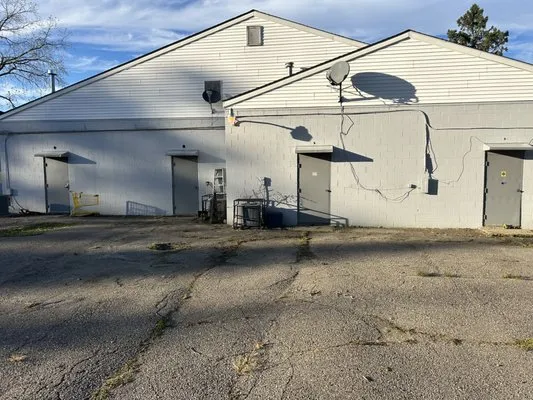
Mid-Michigan Lawn Services is a locally owned and operated lawn care business based in Clio, Michigan. Founded in May 2024, we are dedicated to providing responsive, high-quality service while buildin...

J & E Landscaping is a Flushing, MI-based landscaping company specializing in landscape design, maintenance, and tree care services. We help local homeowners transform their outdoor spaces with practi...
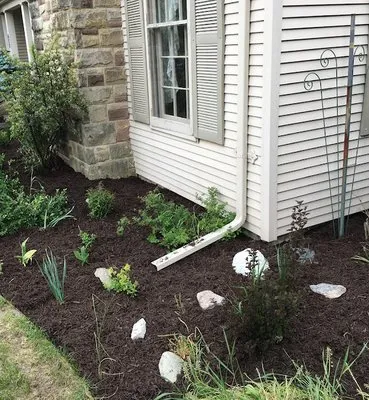
D C Landscaping & Lawncare is a trusted local lawn service provider in Lapeer, MI, specializing in comprehensive lawn care solutions. We understand that Lapeer homeowners frequently face landscaping c...
Bigfoot Landscaping is a trusted local landscaping company serving Flint, MI, and the surrounding areas. We specialize in addressing common Flint landscaping challenges like soil compaction and patchy...
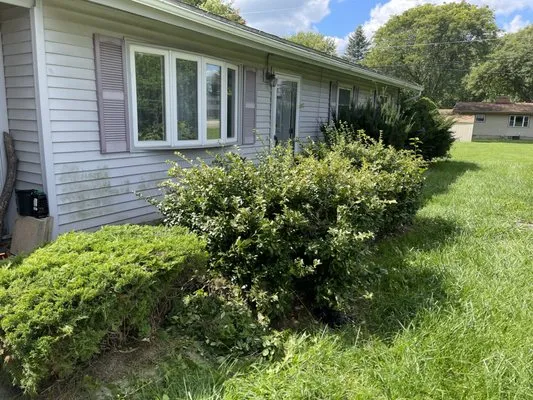
Christopher & Brothers Lawn Service is a dedicated, locally-owned lawn care provider serving homeowners throughout Flint, MI. We specialize in transforming outdoor spaces with a comprehensive suite of...

LawnCareBros is your trusted local lawn and tree service provider in the Village of Clarkston, MI. We specialize in diagnosing and fixing the common landscaping challenges faced by homeowners in our c...
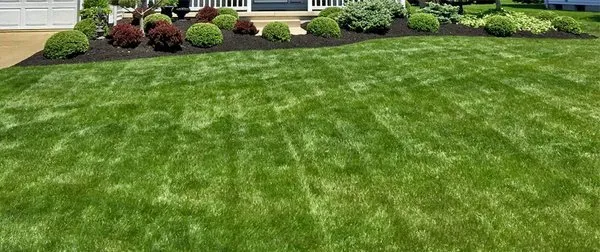
Flaves Lawn Care is a dedicated landscaping company serving the Burton, MI community. Specializing in landscape construction, maintenance, greenscape construction, and comprehensive lawn care, we buil...

Diamond Cuts is a locally owned lawn care company serving Grand Blanc, MI, founded in 2024 by Alex Hinton. As a nearly decade-long resident of the community, Alex brings a personal touch to every job,...
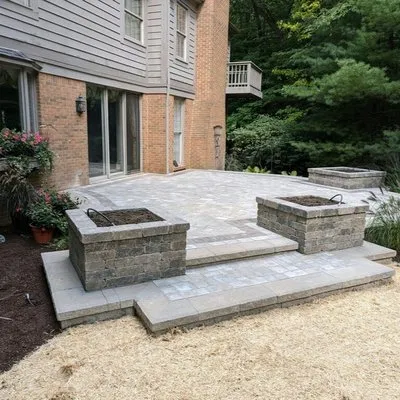
OBRY Brick and Landscape
OBRY Brick and Landscape is a locally owned and operated landscape construction company serving Armada, MI, and surrounding areas since 1997. Founded by Chris Obry, a Michigan State University graduat...
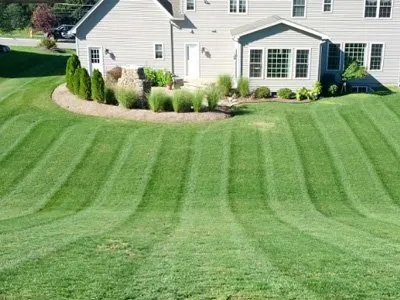
Romal's Lawn Care is a trusted local lawn service provider in Flint, MI, specializing in comprehensive lawn care solutions tailored to the area's specific challenges. We understand that Flint homeowne...
Estimated Landscaping Service Costs in Thetford, MI
Frequently Asked Questions
Mowing every week is getting old. Are there lower-maintenance alternatives that still look nice?
Replacing high-input turf areas with native plantings is a forward-thinking solution. A matrix of Butterfly Milkweed, Wild Bergamot, Little Bluestem, and Black-eyed Susan provides year-round interest, supports pollinators, and requires no mowing or frequent watering. This transition also aligns with evolving noise ordinances that increasingly restrict gas-powered equipment, making electric maintenance quieter and simpler.
We want to regrade our backyard for better drainage. Do we need a permit or a special contractor?
Regrading a 0.50-acre lot often requires a permit from the Thetford Township Building Department, especially if it alters water flow patterns to adjacent properties. The work must be performed by a licensed contractor through the Michigan Department of Licensing and Regulatory Affairs (LARA). This ensures the grading is done to professional standards, preventing erosion or drainage issues that could lead to liability.
A major storm brought down limbs across our driveway. How quickly can a crew arrive for emergency clearance?
For urgent access issues like blocked driveways, a crew can typically mobilize from our staging area near Thetford Township Park. Using I-75, the dispatch time to Thetford Center is 45 to 60 minutes during peak traffic. We prioritize these calls to ensure safe property access and can handle the debris removal and chipping in compliance with local noise ordinance hours.
We're adding a patio and are deciding between wood and pavers. Which is better for our climate?
Concrete pavers are superior for longevity and low maintenance in USDA Zone 5b. They resist frost heave, do not rot or splinter, and require no sealing. From a wildfire mitigation perspective, pavers or crushed limestone create a non-combustible, defensible space as recommended in the township's Moderate Fire Wise rating guidelines, unlike wooden decks which can be a fuel source.
We want a green lawn but don't want to waste water. What's the smartest way to irrigate here?
The most efficient method is an ET-based, weather-sensing irrigation system. It automatically adjusts runtime based on real-time evapotranspiration data from local weather stations, applying only the water your Kentucky Bluegrass and Fine Fescue blend needs. This technology optimizes soil moisture while adhering to Thetford's standard conservation practices, preventing overwatering even in the absence of formal restrictions.
We're seeing a fast-spreading vine take over a garden bed. How should we handle it safely?
Early identification and treatment of invasive species like creeping bellflower or garlic mustard is critical. Manual removal is most effective for small infestations, ensuring the entire root system is extracted. For larger areas, targeted herbicide applications must follow the Michigan Natural Resources and Environmental Protection Act (Part 85), which includes specific blackout dates to protect water quality. A professional management plan prevents regrowth.
Parts of our yard stay soggy for days after rain. What can be done about these wet spots?
Seasonal high water tables and poor infiltration in clay pockets are common in Thetford's loamy sand soils. Solutions include installing French drains to intercept groundwater and creating rain gardens with native, water-tolerant plants to manage runoff. For patios or paths, using permeable concrete pavers or open-graded crushed limestone can increase surface permeability and may be required by the Thetford Township Building Department for new installations.
Our lawn has always been thin and struggles in summer. Is this just our lot, or is there something deeper going on?
Properties built around 1978 in Thetford Center likely have soil that is now nearly 50 years old. Loamy sand and sandy loam soils naturally compact over decades, losing pore space and organic matter. This reduces water infiltration and root penetration, explaining the summer stress. Core aeration and incorporating composted organic matter are essential to rebuild soil structure and biology, directly addressing this legacy compaction.
