Top Landscaping Services in Taylor, MI, 48180 | Compare & Call

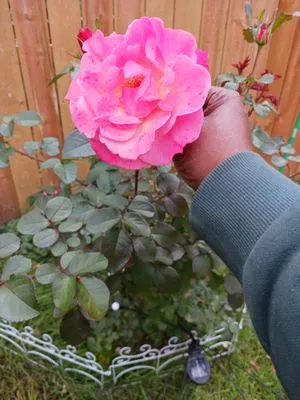
Massab Acres Greenhouse & Nursery is a family-owned destination in Taylor, MI, offering acres of plants, expert guidance, and full-service landscaping. More than just a source for annuals, perennials,...

P & J Lawn Service is a locally owned and operated lawn care company serving homeowners in Taylor, MI. We provide reliable, year-round services to keep your property looking its best. From routine mow...
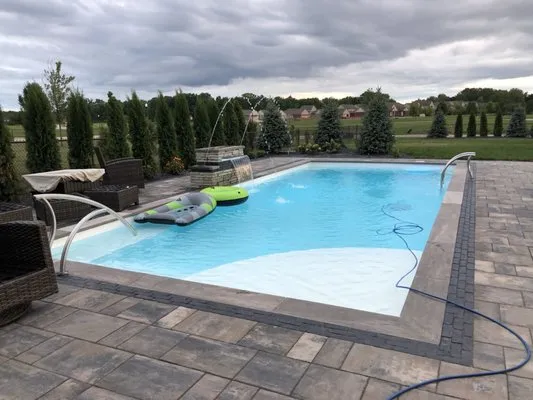
For 20 years, MAC Landscaping & Design has been building beautiful, functional outdoor spaces for Taylor residents. What started as a personal passion for landscape construction grew into a dedicated ...
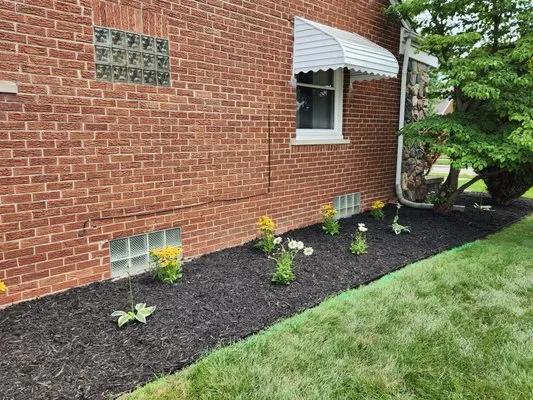
American Skilled Trade Services is a family-owned landscaping and hardscaping company based right here in Taylor, MI, founded by Brandon Hanik. Brandon’s journey began working alongside his grandfathe...
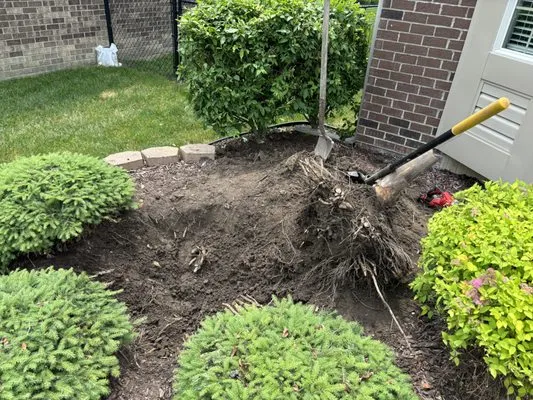
Iron Edge Landscaping crafts durable and stylish outdoor spaces for Taylor, MI. We combine strong, lasting construction with thoughtful design, handling everything from foundational earthmoving and re...

Martinez Painting is a trusted home service provider based in Taylor, MI, offering a comprehensive range of solutions to enhance and maintain local properties. Specializing in interior and exterior pa...

Founded in 2014 by owner-operator Ryan Mertz, Clean Ups LLC is a Taylor-based, full-service exterior maintenance company dedicated to serving homeowners and landlords in Southeastern Michigan. What st...

Dearborn Tree Service is a trusted, full-service provider serving Taylor, MI, and surrounding areas. We specialize in comprehensive tree care, shrub maintenance, and landscaping solutions tailored to ...
Rainy Dave's Lawn Sprinkler is your trusted local specialist in Taylor, MI, helping homeowners tackle two of the most common and frustrating landscaping problems: poor lawn grading and persistent weed...
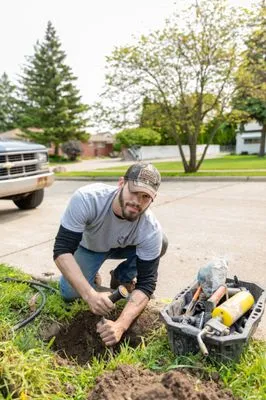
For over two decades, Oasis Irrigation Lawn Sprinklers has been a trusted name in Taylor, MI, founded on owner Jeff's lifelong passion for the outdoors. Starting his irrigation career at 16, Jeff hone...
Q&A
What's the best solution for my yard's seasonal flooding issues?
The high clay content in Blount-Morley-Nappanee soils creates poor drainage and seasonal saturation. Installing permeable pavers or recycled clay brick hardscapes allows water infiltration rather than runoff. For severe cases, a French drain system with proper grading redirects water away from foundations. The Taylor Building Department requires drainage plans that manage stormwater on-site, and permeable materials help meet these standards while reducing erosion risks.
What permits and licenses are needed for landscape grading work?
Grading projects on Taylor's typical 0.22-acre lots often require permits from the Taylor Building Department, especially when altering drainage patterns or moving significant earth. Contractors must hold appropriate licensing through the Michigan Department of Licensing and Regulatory Affairs (LARA), which ensures compliance with erosion control and stormwater management regulations. Unlicensed grading can lead to drainage violations affecting neighboring properties and significant remediation costs.
Are concrete pavers better than wood for patio construction?
Concrete pavers and recycled clay brick offer superior longevity (30+ years versus 10-15 for wood) with minimal maintenance in Taylor's climate. These materials provide excellent permeability for drainage and won't rot or warp. While Taylor has a low Firewise rating, non-combustible hardscapes create defensible space in urban-suburban interfaces. Properly installed with adequate base preparation, these materials withstand freeze-thaw cycles better than many wood alternatives.
What invasive species should I watch for in my Taylor garden?
Garlic mustard and Japanese knotweed pose significant threats in southeast Michigan, outcompeting natives and degrading soil health. Manual removal before seed set is most effective, though targeted herbicide applications may be necessary for established infestations. All treatments must comply with Taylor's phosphorus-free fertilizer ordinance, which prohibits phosphorus applications except when establishing new lawns. Avoid treatments during spring blackout dates when pollinators are most active.
Why does my Heritage Park District lawn struggle with compaction and poor drainage?
Taylor's Heritage Park District lots, with homes averaging 63 years old (built around 1963), have mature Blount-Morley-Nappanee Complex soils that have settled over decades. This soil type, with pH 6.8-7.2, develops dense layers from repeated foot traffic and equipment use, reducing permeability. Core aeration every 1-2 years is essential to break up compaction and improve oxygen flow to roots. Incorporating 0.25 inches of compost annually enhances soil structure and microbial activity, addressing the natural limitations of these aged profiles.
How do I keep my Kentucky Bluegrass lawn healthy without wasting water?
Wi-Fi ET-based weather sensing irrigation systems automatically adjust watering schedules using real-time evapotranspiration data from local weather stations. This technology applies only the water your turfgrass mix actually needs, typically reducing usage by 20-30% compared to traditional timers. While Taylor has no formal water restrictions, this approach aligns with municipal conservation guidelines and prevents overwatering that exacerbates clay soil saturation. Properly calibrated systems maintain turf health even during summer stress periods.
Should I replace parts of my lawn with native plants?
Transitioning high-maintenance turf areas to native plantings like Common Milkweed, Wild Bergamot, New England Aster, and Prairie Dropseed reduces water, fertilizer, and mowing requirements by 60-80%. These deep-rooted perennials improve soil structure and support local pollinators. As Taylor moves toward stricter noise ordinances limiting gas-powered equipment, electric maintenance of native beds becomes more practical. This approach also aligns with 2026 biodiversity standards for urban landscapes.
How quickly can you respond to an emergency tree cleanup after a storm?
For urgent situations like storm damage or HOA compliance deadlines, our electric fleet can dispatch from the Taylor Sportsplex area within 25-35 minutes during peak hours. We route via I-94 to minimize transit time across Taylor's neighborhoods. This rapid response leverages our 24/7 monitoring of weather alerts and pre-positioned equipment. All work complies with local noise ordinances restricting operations between 9:00 PM and 7:00 AM.
