Top Landscaping Services in Swartz Creek, MI, 48473 | Compare & Call

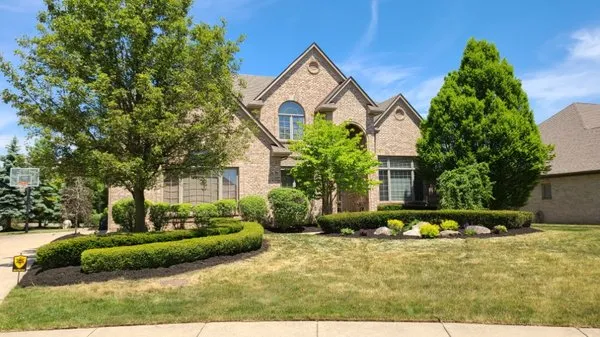
Waybrant and Son Landscaping
Waybrant and Son Landscaping is a family-owned and operated landscape architecture and construction company proudly serving Swartz Creek, Michigan, and the surrounding areas. With a deep understanding...

Bloss Lawn And Snow Services is a veteran-owned and operated business proudly serving the Swartz Creek, MI community and surrounding Genesee and Shiawassee County areas. Licensed by the state of Michi...
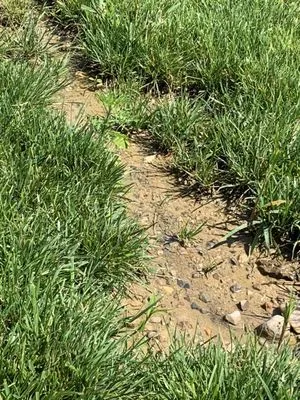
H & M Landscaping
H & M Landscaping is a family-owned landscaping company based in Swartz Creek, MI, serving Genesee County and surrounding areas since 1985. Founded and managed by Brian and Joleen Huyck, the business ...
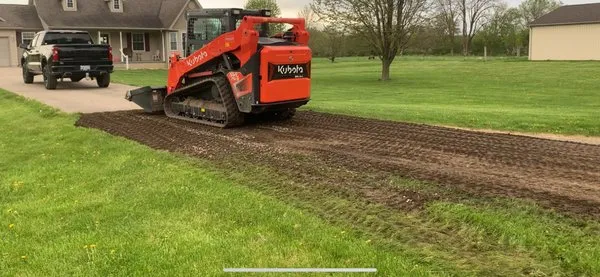
Kickin Dirt Outdoors is a locally owned and insured excavation and landscaping contractor serving Swartz Creek, MI, and the surrounding Genesee County area. We specialize in transforming challenging o...

Agroscaping is a Swartz Creek-based landscaping company founded in 1980 by its current owner, who started the business while studying Horticulture and Business at Michigan State University. With deep ...

G's Lawn & Tree Service has been a trusted provider of professional lawn and tree care in Swartz Creek, Michigan, for about 25 years. As a local contractor, we specialize in comprehensive tree service...

Winslow's Lawn Care and Landscaping is a trusted, locally-owned service dedicated to keeping Swartz Creek lawns healthy and vibrant. We understand the common local challenges of soil compaction and de...
TLC Tree & Stump Removal is your trusted, local expert for all things green and growing in Swartz Creek, MI. We offer comprehensive tree care, from precise pruning and safe removals to complete stump ...
Scenic Views Landscape is a trusted, locally-owned landscaping company serving the Swartz Creek, MI community. We understand the common frustrations homeowners face, like unsightly bare patches ruinin...

Lawns of Prestige is a trusted, locally-owned landscaping and snow removal company serving Swartz Creek, MI. We understand the unique challenges homeowners face in our area, from persistent lawn moss ...
Frequently Asked Questions
Do we need a permit to regrade our backyard, and what licensing should our contractor have?
Regrading that alters water flow or involves significant earth movement typically requires a permit from the Swartz Creek Building Department. On a 0.25-acre lot, improper grading can impact neighboring properties, making oversight necessary. Ensure your contractor holds appropriate licensing through the Michigan Department of Licensing and Regulatory Affairs (LARA), which validates competency in erosion control and adherence to state construction codes.
Our yard has persistent wet spots. What's the best drainage solution for our soil type?
High seasonal saturation in Miamian-Celina loam is often due to low permeability in the subsoil. A tiered approach works best: first, regrade to direct surface flow away from foundations, then install French drains in the wettest pockets. For new hardscapes, specify permeable concrete pavers or an open-graded crushed limestone base to increase infiltration and meet Swartz Creek Building Department runoff management standards.
How do we keep our Kentucky Bluegrass mix healthy during dry spells without violating water rules?
Swartz Creek operates under voluntary conservation, making smart water use a best practice. A Wi-Fi ET-based irrigation controller is critical; it automatically adjusts schedules based on local evapotranspiration data, preventing overwatering. This technology can reduce potable water use by up to 30% while maintaining turf health by delivering water only when the soil moisture deficit requires it.
Our lawn in City Center seems compacted and drains poorly. What's the history of our soil, and what's the fix?
Homes built around 1975, like many here, sit on over 50-year-old landscapes. The underlying Miamian-Celina loam, a glacial till soil, naturally compacts over decades, reducing permeability. This compaction, combined with inherent clay pockets, creates the seasonal saturation you observe. Core aeration every 1-2 years, followed by top-dressing with compost, is essential to rebuild soil structure and reintroduce organic matter.
We want to reduce mowing and chemical use. What's a resilient, low-maintenance alternative?
Transitioning high-input turf areas to a native plant community is a forward-looking strategy. A matrix of Little Bluestem grass with drifts of Common Milkweed, Wild Bergamot, and Black-eyed Susan provides year-round interest, deep roots for drought resilience, and critical habitat. This xeriscape approach eliminates weekly mowing, reduces water demand, and pre-adapts your landscape to potential future gas-powered equipment restrictions.
We're adding a patio. Are concrete pavers better than wood for our climate and lot size?
For longevity in Zone 6a, concrete pavers significantly outperform wood. They resist freeze-thaw cycles without rotting, warping, or requiring annual sealing. On a 0.25-acre lot, their non-combustible nature also contributes to defensible space, aligning with the area's low Firewise rating. Crushed limestone pathways offer a permeable, low-profile alternative that complements the paver aesthetic and manages runoff.
What invasive species should we watch for, and how do we control them safely?
Garlic mustard and Japanese knotweed are primary invasive threats in this area. Manual removal before seed set is most effective for small infestations. For larger issues, targeted, spot-applied herbicide in fall is often necessary, but all applications must comply with the Michigan Phosphorus Fertilizer Act, which prohibits phosphorus in lawn care products. Always verify treatment dates do not conflict with local watershed protection blackout periods.
We need an emergency cleanup after a major storm. What's the fastest dispatch time to City Center?
For urgent HOA compliance or storm debris cleanup, a 20-30 minute response from Elms Road Park is standard, routing via I-69 to minimize surface street delays. Our electric maintenance fleet operates within the city's 10 PM to 7 AM quiet hours without restriction, allowing for flexible scheduling. This logistics model prioritizes rapid deployment for time-sensitive property issues.
