Top Landscaping Services in Swan Creek, MI, 48609 | Compare & Call
There are 146 landscaping companies server in Swan Creek MI
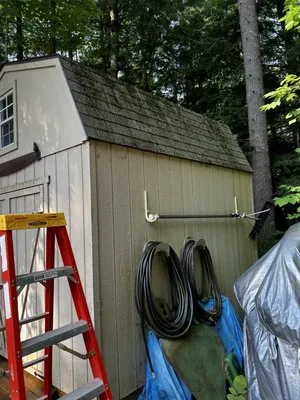
Bean Power Washing, based in Big Rapids, MI, is your local expert for lawn care and pressure washing solutions. We understand the unique challenges Big Rapids homeowners face, such as patchy lawn gras...
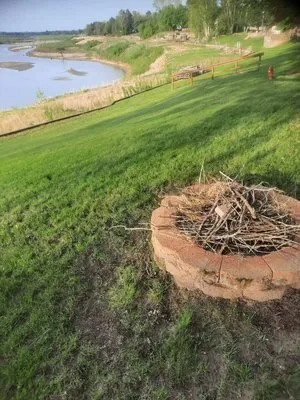
Todd Lawn Maintenance is a trusted local provider dedicated to keeping Sanford, MI lawns looking their best. We offer professional lawn care and mowing services that are both reliable and affordable f...
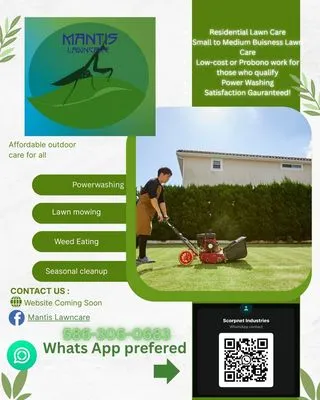
Mantis Lawncare is a dedicated, disabled-owned and operated lawn care and pressure washing service based right here in Deford, MI. What truly sets us apart is our personal commitment to our community....
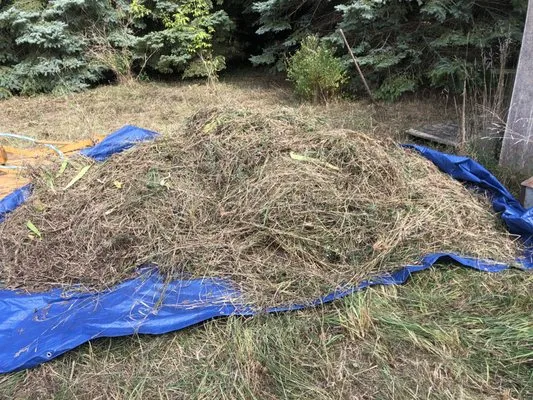
Walker's Landscaping in Saginaw is built on a foundation of passion and partnership. Founded by a dedicated young entrepreneur, this lawn care business operates with a vision for the future and a comm...

At K.P.M Contracting & Property Management, we bring a combined 65 years of hands-on experience to every job in Bay City. As an owner-operated company, we pride ourselves on providing reliable, high-q...
3 C’s Brothers Services is a family-owned lawn care business serving Bay City, Saginaw, and the surrounding communities for over four years. We are dedicated to helping our neighbors maintain healthy,...
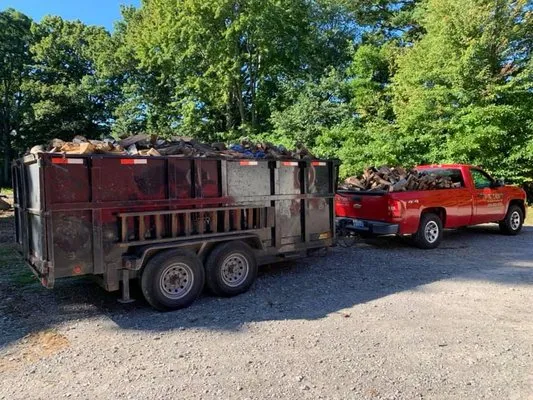
Acorn Tree Service & Landscape has been serving the Saint Charles, MI community since 2000, providing reliable tree care and landscaping solutions. As a family-owned business, we specialize in compreh...
Becker Lawn Care & Landscape & Nursery is a Saginaw-based family business dedicated to solving the common local landscaping challenges of poor lawn grading and soil compaction. These issues, often res...
Knoll Landscaping is a trusted Hemlock, MI landscaping company dedicated to solving common local yard problems. We specialize in addressing issues like standing water and sprinkler leaks that many hom...
JS Services is your trusted Saginaw neighbor for dependable home and pet care. We specialize in dog walking, lawn care, and snow removal, offering solutions tailored to our local climate and community...
Estimated Landscaping Service Costs in Swan Creek, MI
Questions and Answers
What invasive species should I watch for and how do I manage them safely?
Garlic mustard and Japanese knotweed present significant threats in Michigan's Zone 5b. Manual removal before seed set in early spring prevents spread without chemical intervention. For persistent infestations, targeted glyphosate applications during fall translocation periods avoid phosphorus-free ordinance restrictions near water bodies. Always coordinate treatment timing with plant dormancy cycles to minimize non-target impacts while achieving 85-90% control rates.
How quickly can you respond to an emergency tree cleanup after a storm in Swan Creek?
Our emergency dispatch from Swan Creek Township Hall follows M-52 with optimized routing for storm debris clearance. Peak response time during severe weather events is 35-50 minutes, accounting for traffic and access challenges. We maintain electric-powered chippers and saws that comply with standard noise limits for after-hours work when necessary. This rapid response helps prevent secondary damage to structures and restores safe property access.
Should I install irrigation despite Swan Creek having abundant seasonal water supply?
Smart Wi-Fi soil moisture sensor controllers provide precise ET-based irrigation that actually conserves water while maintaining turf health. These systems deliver 0.75-1.0 inches weekly during peak evapotranspiration periods, perfectly matching Kentucky Bluegrass and Fine Fescue blend requirements. Even without municipal restrictions, this technology reduces water usage by 30-40% compared to traditional timers. The sensors prevent overwatering that exacerbates Swan Creek's existing drainage challenges.
Are concrete pavers better than wood for durability in our climate?
Concrete pavers offer superior longevity with 25-30 year lifespans versus wood's 8-12 years in Michigan's freeze-thaw cycles. Their non-combustible nature maintains defensible space consistent with low fire-wise ratings, though this is primarily relevant in high-risk zones. Properly installed with polymeric sand joints, paver systems accommodate soil movement without cracking while providing stable surfaces that resist frost heave damage common in Swan Creek's seasonal conditions.
Why does my Swan Creek Residential District lawn have drainage issues despite regular care?
Properties in this neighborhood were typically built around 1983, giving the soil approximately 43 years to mature. Slightly acidic loam with pH 6.5-6.8 naturally develops compaction layers over decades, reducing permeability to below 0.5 inches per hour. This explains the seasonal high water table observed across many lots. Core aeration every 2-3 years combined with organic amendments like composted leaf mold can restore soil structure and improve infiltration rates.
What permits and licenses are needed for grading my 0.55-acre property?
Significant grading on 0.55-acre lots requires Saginaw County Building & Planning Department approval for erosion control and drainage plans. Contractors must hold Michigan LARA landscaping licensure with proof of liability insurance exceeding $500,000. These regulations ensure proper water management that protects adjacent properties and municipal infrastructure. Unlicensed grading can result in fines up to $5,000 and mandatory restoration orders for non-compliant work.
What's the best solution for poor water infiltration in my yard?
Seasonal high water tables in slightly acidic loam soils require engineered drainage solutions. We install French drains with clean aggregate and geotextile fabric to intercept subsurface flow. For hardscape areas, permeable concrete pavers with joint spacing of 0.25-0.375 inches achieve infiltration rates exceeding Saginaw County Building & Planning Department standards. These systems manage runoff while preventing soil saturation that damages turf root zones during spring thaw periods.
How can I reduce maintenance while supporting local ecology?
Transitioning high-maintenance turf to native plantings creates resilient landscapes. Butterfly Milkweed, Wild Bergamot, Little Bluestem, and New England Aster establish deep root systems that require minimal irrigation once established. This approach reduces mowing frequency and eliminates gas-powered blower use, aligning with evolving noise ordinance considerations. Native plant communities support pollinator populations while providing year-round visual interest with reduced chemical inputs.
