Top Landscaping Services in Superior, MI, 48105 | Compare & Call
There are 187 landscaping companies server in Superior MI
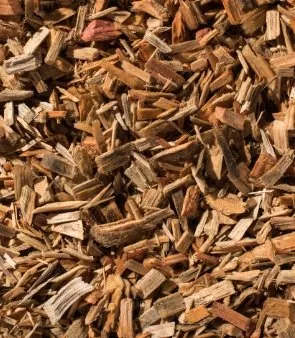
Rock Shoppe
Since 1979, The Rock Shoppe has been a cornerstone of the Plymouth, MI community, founded and family-operated by Marco and Helena Scappaticci. Marco, a second-generation licensed residential builder, ...
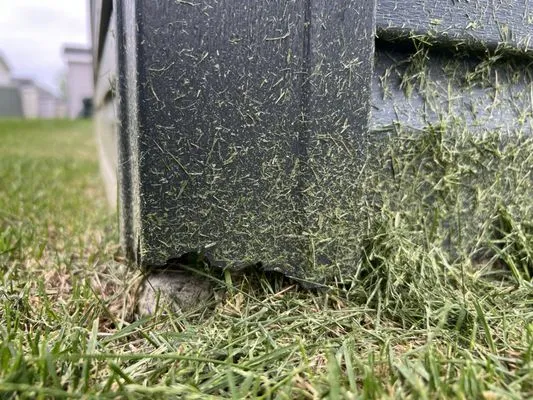
For Gary Roberts, landscaping is pure love, and it started at an early age. ""When other kids were playing baseball, I was planting roses,"" he says. By 18, he had the largest lawn service in Detroit,...

For over 25 years, BloomScape has been transforming outdoor spaces in Lincoln Park, Michigan, helping homeowners create beautiful landscapes that enhance their homes. We specialize in comprehensive la...
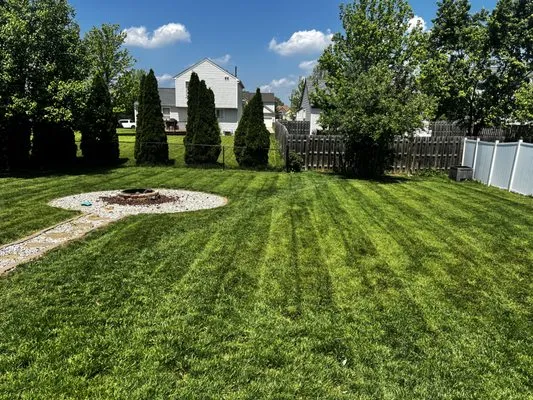
Maxwell Fortune, the owner of Fortune Ferns, is a Lawn Care Professional with seven years of hands-on experience serving the Westland community. His career has been built on a foundation of diverse pr...
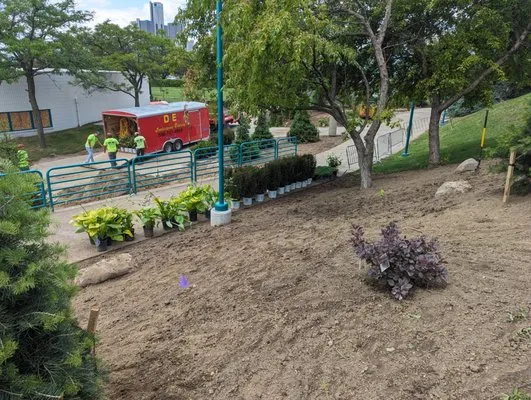
D & E Landscaping & Grading
D & E Landscaping & Grading is a trusted, locally-owned company serving Richmond, MI, and surrounding areas with over 20 years of experience. We specialize in comprehensive outdoor solutions, includin...
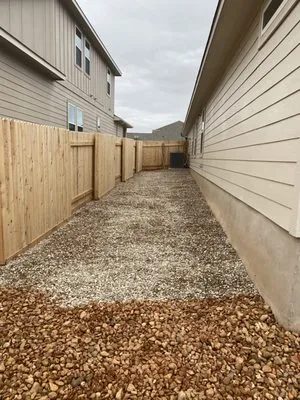
Rock Solid Hardscapes, Landscaping & Lawn Care is a veteran-owned, family-operated business serving Georgetown, MI, and surrounding areas. Founded by Erick, a Marine Corps veteran with extensive exper...
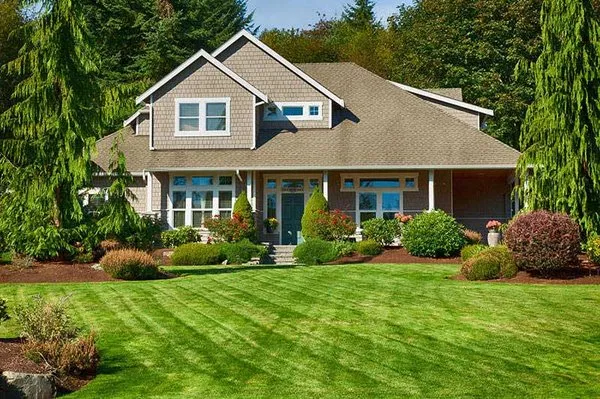
Ford Landscaping and Snow Removal is a locally owned and operated business serving Sterling Heights and the surrounding area. We provide comprehensive landscaping services, from new construction of pa...
Burns Lawn Care & Landscaping
Burns Lawn Care & Landscaping is a licensed and insured Ann Arbor landscaping company with deep roots in the community, serving local homeowners and businesses since 1998. We specialize in comprehensi...
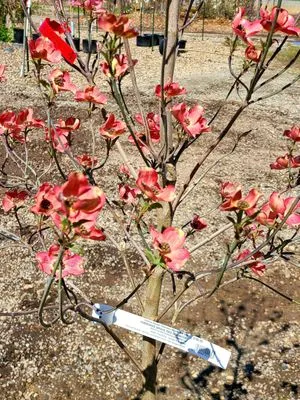
Lodi Farms is a family-owned plant nursery and greenhouse in Ann Arbor, MI, specializing in Michigan-grown trees, shrubs, and perennials. Established in 1993, the nursery offers an extensive selection...
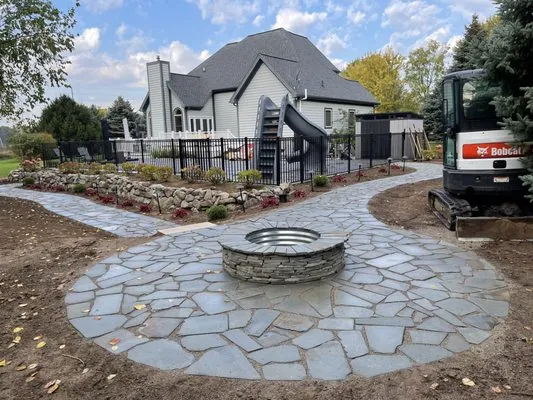
Margraves Landscaping is a Manchester-based landscaping and masonry company serving Ann Arbor and surrounding communities since 2013. We specialize in creating functional and beautiful outdoor spaces ...
Estimated Landscaping Service Costs in Superior, MI
Q&A
How can I maintain my Kentucky Bluegrass lawn during Superior's Stage 1 water restrictions?
Wi-Fi ET-based weather sensing irrigation systems automatically adjust watering schedules based on real-time evapotranspiration data and rainfall. This technology reduces water use by 20-30% while preserving turf health, staying well within Superior's voluntary conservation guidelines. Programming deep, infrequent watering cycles encourages deeper root growth in your fine fescue blend, making lawns more drought-resistant. Regular system audits ensure uniform coverage and prevent runoff from the area's high seasonal water table.
Should I replace some lawn with native plants to reduce maintenance in Superior?
Transitioning high-maintenance turf areas to native plantings like butterfly milkweed, wild bergamot, little bluestem, and purple coneflower significantly reduces water, mowing, and chemical inputs. These deep-rooted perennials improve soil structure and support local pollinators while requiring minimal care once established. This approach aligns with Superior's evolving noise ordinances by reducing gas-powered equipment use and creates habitat corridors that exceed 2026 biodiversity standards for residential landscapes.
What's the best solution for poor drainage in my Superior yard with clay soil pockets?
Glacial till loam soils in Superior often have clay layers that create poor infiltration and seasonal water table issues. Installing French drains or dry wells connected to permeable concrete pavers redirects surface water effectively. These systems increase soil percolation rates while meeting Superior Township Building Department runoff standards. For severe cases, regrading with amended soil creates positive drainage away from foundations, preventing basement moisture problems common in this area.
What invasive species should I watch for in Superior, and how do I treat them safely?
Common invasive alerts in USDA Zone 6a include garlic mustard, Japanese knotweed, and buckthorn that threaten native plant communities. Manual removal before seed set is most effective, followed by targeted spot treatments using phosphorus-free herbicides if necessary. Always conduct soil testing first, as Superior's ordinance prohibits phosphorus applications without documented deficiencies. Time treatments to avoid blackout periods during spring runoff when chemicals could leach into the high water table.
How quickly can you respond to an emergency tree cleanup after a storm in Superior?
Our emergency dispatch from Superior Township Hall via M-14 reaches most Superior Center properties within 25-35 minutes during peak response times. We maintain electric chainsaws and chippers that comply with Superior's 9:00 PM to 7:00 AM quiet hours, allowing immediate work without noise ordinance violations. This rapid response prevents further property damage and addresses safety hazards from fallen limbs, particularly important given the area's moderate Wildland-Urban Interface rating.
What permits and licenses are needed for grading work on my 0.45-acre Superior property?
Grading projects altering more than 100 cubic yards of soil require Superior Township Building Department permits to ensure proper drainage and erosion control. Contractors must hold Michigan LARA landscaping licensure, which verifies competency in soil science and stormwater management. On 0.45-acre lots, even minor regrading can impact neighboring properties and municipal systems, making professional oversight essential. Always verify contractor licensing through LARA's online database before commencing work to avoid compliance issues.
Why does my Superior Center lawn have such compacted soil that needs annual aeration?
Superior Center properties built around 1984 have 42-year-old landscapes with glacial till loam soil that has settled and compacted over decades. This soil type naturally develops poor permeability in clay pockets, restricting root growth and water infiltration. Core aeration every 2-3 years is essential to break up compaction and incorporate organic amendments like compost, which improves soil structure and microbial activity. Without this intervention, turfgrass health declines and drainage problems worsen.
Are concrete pavers better than wood for my Superior patio considering fire safety?
Concrete pavers provide superior longevity and fire resistance compared to wood, with a 30+ year lifespan versus wood's 10-15 years with maintenance. Their non-combustible nature supports Superior's moderate Wildland-Urban Interface rating by creating defensible space around structures. Permeable paver installations also address drainage concerns while withstanding freeze-thaw cycles in Michigan's climate. For high-risk zones, maintain 5-10 feet of hardscape or gravel between vegetation and structures to meet firewise landscaping principles.
