Top Landscaping Services in Stony Point, MI, 48166 | Compare & Call
There are 151 landscaping companies server in Stony Point MI
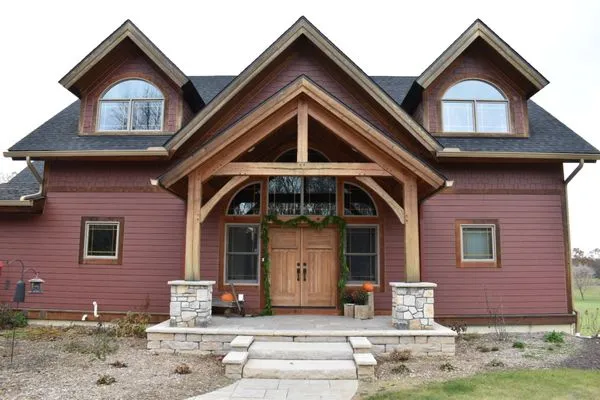
Premiere Landscape Services
Premiere Landscape Services in Novi, MI, was founded in 2003 by Juan Torres, a Landscape Industry Certified Manager who built his expertise from the ground up. Starting as a crew member and advancing ...
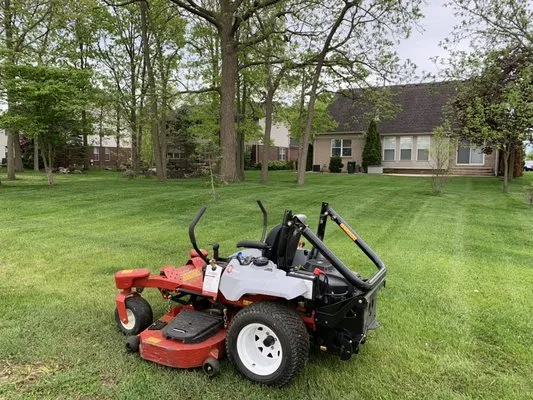
EZ Landscaping & Paving
At EZ Landscaping & Paving, we believe your outdoor space should be both beautiful and functional. Our team combines a deep understanding of botany and soil science with a genuine passion for design, ...
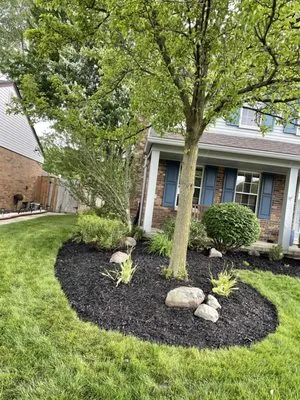
Enhanced Landscaping
Enhanced Landscaping is your dedicated Sterling Heights partner for comprehensive outdoor transformation. We specialize in designing and building beautiful, functional landscapes that enhance your hom...
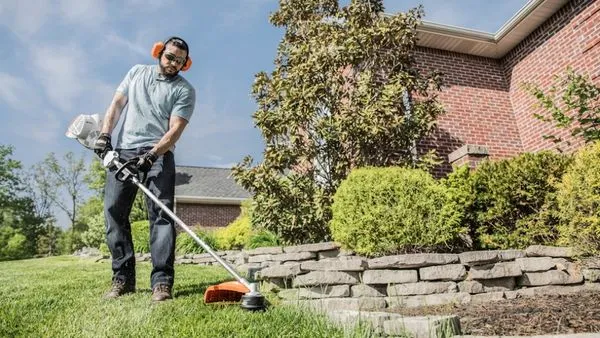
Next Level Lawn Care is your Detroit-based partner for a cleaner, healthier property. We understand the unique challenges faced by local homeowners, from lawn fungus outbreaks to malfunctioning irriga...
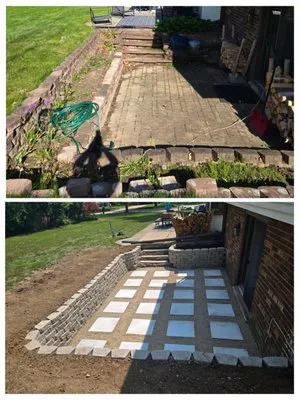
Nathanael Schlosser brings over six years of hands-on landscaping experience to Canton Township, combining his recent college education with practical expertise in outdoor maintenance and handyman ser...
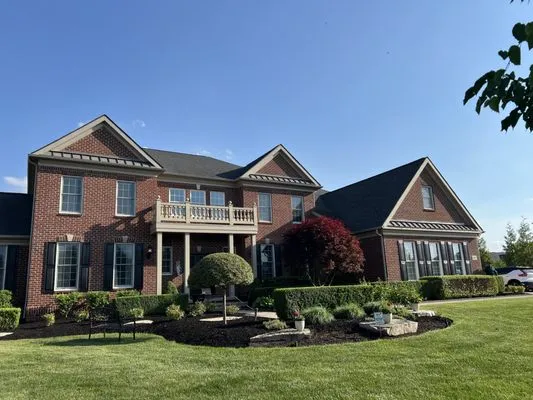
Smartscape Landscaping Hardscape is a Ray Center, MI-based company with over a decade of experience transforming outdoor spaces. We specialize in comprehensive landscaping, hardscaping, and tree care ...
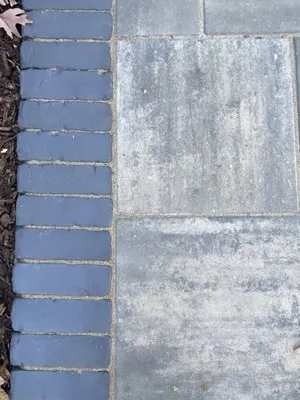
Goldy's Landscaping is a family-owned and operated business with deep roots in Berkley. Founded in 1980 by Greg Goldberg, the company started with basic lawn care and yard cleanups, building a reputat...

Timberline Landscaping Inc
Timberline Landscaping Inc has been a trusted name in Grosse Pointe, MI since 1989, providing comprehensive gardening, landscaping, and tree services. We specialize in full-service solutions including...

Platinum Lawn Service & Landscaping
Platinum Lawn Service & Landscaping is a locally owned and operated company serving Sterling Heights and the surrounding Macomb and Oakland Counties. Founded by Michael J. Hoylock, a Wayne State Unive...

Ferguson Landscaping and Lawn Care Services grew from a neighborhood project into a trusted Detroit business. We started by helping friends and neighbors with their yards, and the demand for our relia...
Estimated Landscaping Service Costs in Stony Point, MI
Common Questions
What permits and licenses are needed for regrading my 0.28-acre lot?
The Stony Point Planning & Development Department requires grading permits for any alteration exceeding 100 cubic yards of soil movement. Contractors must hold Michigan LARA landscaping licensure for earthwork affecting drainage patterns. On lots this size, engineered plans may be necessary if grade changes exceed 12 inches. Unlicensed grading can void property insurance and incur significant fines.
Are permeable pavers better than wood decking for longevity in Michigan?
Permeable concrete pavers withstand freeze-thaw cycles better than wood, with a 25+ year lifespan versus wood's 10-15 years. Their non-combustible nature supports Low Fire Wise ratings in urban-suburban interfaces. Unlike wood, they don't require chemical treatments that can leach into soil. Properly installed paver systems also manage stormwater without additional drainage infrastructure.
What solutions work for seasonal water table issues in sandy loam soils?
Permeable concrete pavers installed with a gravel base layer create infiltration zones that redirect surface water. This system meets Stony Point Planning & Development Department runoff standards by reducing impervious cover. For existing saturated areas, French drains lined with geotextile fabric provide subsurface relief. Combining these approaches addresses both vertical permeability and lateral flow management in neutral pH soils.
Should I replace parts of my lawn with native plants to reduce maintenance?
Transitioning to Purple Coneflower, Butterfly Milkweed, Little Bluestem, Wild Bergamot, and Prairie Dropseed creates a climate-adaptive xeriscape. These species require no gas-powered blowers for cleanup, aligning with evolving noise ordinances. Once established, native plantings need minimal irrigation and support 2026 biodiversity targets. They also build soil organic matter more effectively than monoculture turf.
How quickly can you respond to an emergency tree cleanup after a storm in Stony Point?
Our electric maintenance fleet can dispatch from Stony Point Community Park within 15 minutes of notification. Using M-20, we reach most Residential District locations in 25-35 minutes during peak traffic, ensuring HOA compliance deadlines are met. This routing avoids residential congestion while adhering to noise ordinance restrictions on early morning operations. Emergency protocols prioritize safety assessments before debris removal begins.
How do I control invasive species without violating fertilizer regulations?
For common invaders like garlic mustard or spotted knapweed, manual removal before seed set is most effective in USDA Zone 5b. Spot-treatment with glyphosate alternatives avoids phosphorus contamination risks under statewide bans. Timing applications outside of blackout dates prevents ordinance violations. Soil testing confirms whether amendments are needed, as many invasions indicate nutrient imbalances rather than deficiencies.
Why does my Stony Point Residential District lawn have drainage issues despite regular watering?
Homes built around 1968 in this neighborhood have soil that has matured for approximately 58 years. The neutral sandy loam (pH 6.8-7.2) common here has likely developed compaction layers from decades of foot traffic and conventional maintenance. This reduces soil percolation, causing water to pool rather than infiltrate. Core aeration combined with organic amendments like compost can restore pore space and microbial activity. Without intervention, the seasonal high water table exacerbates saturation in the subsoil layer.
Can I maintain Kentucky Bluegrass and Fine Fescue during Stage 1 water restrictions?
Wi-Fi ET-based weather sensing controllers optimize irrigation by adjusting schedules to real-time evapotranspiration data. These systems reduce water use by 20-30% compared to traditional timers while preserving turf health. Programming deep, infrequent watering during cooler hours minimizes evaporation loss. Municipal conservation guidelines are automatically integrated, ensuring compliance without sacrificing lawn density.
