Top Landscaping Services in Springville, MI, 49638 | Compare & Call
There are 162 landscaping companies server in Springville MI
A & B Landscaping Lawn Care is a trusted, locally-owned lawn service in Adrian, MI, dedicated to creating and maintaining vibrant, healthy lawns for homeowners across Lenawee County. We specialize in ...
US Lawns in Adrian, MI is a trusted local provider of comprehensive lawn and landscape services, specializing in landscape design, lawn care, and tree care. Many homeowners in the Adrian area face com...
Back To the Garden is a trusted landscaping company serving Adrian, MI, and the surrounding area. We understand the common local challenges homeowners face, such as shifting rock gardens and overgrown...

Cooper's Lawn Care in Adrian, MI is a licensed and authorized provider specializing in comprehensive lawn care, snow removal, and pest control services. We focus on delivering reliable, professional s...
Cutting Edge Lawn Services, LLC is a Riga-based lawn care expert dedicated to solving the common local landscaping challenges homeowners face. Many properties in the area struggle with uneven sprinkle...
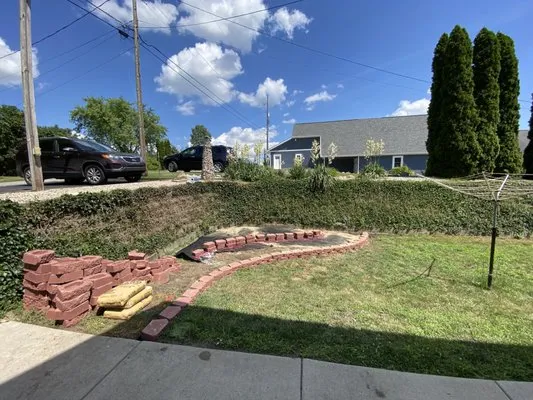
Custom Outdoors is your trusted local expert for comprehensive lawn and tree care services in Clayton, MI. We specialize in professional lawn maintenance, tree pruning, disease management, and complet...
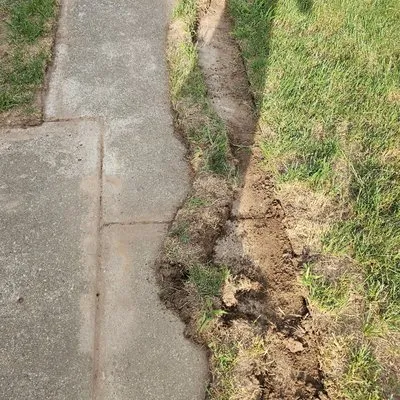
Eternal Lawn is a dedicated landscaping business serving the Brighton, MI community. We specialize in comprehensive lawn care and landscape maintenance designed to address common local challenges like...

Yard Monkey's Lawn Service, owned and operated by Britton resident Leland Irwin since 2012, is built on a foundation of reliability and a genuine people-first approach. With over a decade of experienc...
Ransome Landscaping Services Inc is a family-owned and operated business dedicated to providing comprehensive care for your lawn in Ann Arbor. We take pride in offering reliable and personalized servi...

Turner Design Group provides comprehensive landscape architecture and planning services to Howell and the surrounding Mid-Michigan region. As a team of Certified Green Industry and Natural Shoreline P...
Estimated Landscaping Service Costs in Springville, MI
FAQs
What permits and licenses apply to landscape grading work?
Grading on 0.25-acre lots requires Springville Planning & Development Department approval for erosion control and drainage plans. Michigan LARA licenses ensure contractors carry proper bonding and insurance for earthmoving operations. Significant grade changes may trigger additional reviews for stormwater management compliance. Professional licensing verifies training in soil mechanics and proper compaction techniques to prevent future settlement issues.
Can I maintain healthy turf under Stage 1 water restrictions?
Wi-Fi ET-based weather sensing irrigation calculates evapotranspiration rates to deliver precise water volumes matching plant needs. This system preserves Kentucky Bluegrass and Fine Fescue blends while reducing consumption 20-30% below conventional schedules. Programming follows municipal guidelines with soil moisture sensors preventing overwatering during spring saturation periods. Regular nozzle audits ensure uniform distribution without violating voluntary conservation measures.
How quickly can you respond to storm damage for HOA compliance?
Emergency cleanup crews dispatch from Springville City Hall via US-12, reaching Springville Heritage District properties within 20-30 minutes during peak conditions. Our electric fleet operates within noise ordinance restrictions for early morning or evening response. We prioritize safety assessments, debris removal, and temporary stabilization to meet HOA deadlines while preparing sites for permanent repairs.
What solves persistent wet spots in my sandy loam yard?
Localized compaction in slightly acidic sandy loam creates impermeable layers that trap spring moisture. Installing permeable concrete pavers with aggregate bases provides 40-50% void space for water infiltration, meeting Springville Planning & Development Department runoff standards. French drains connected to these systems redirect subsurface water while amended soil profiles improve percolation. This integrated approach addresses both surface pooling and subsurface saturation.
Why does my Springville Heritage District lawn struggle despite regular care?
Springville Heritage District properties average 45 years of development, creating mature soil profiles with compaction from decades of foot traffic and equipment use. The slightly acidic sandy loam common here loses permeability over time, restricting root growth and water infiltration. Core aeration every 2-3 years introduces oxygen channels while incorporating organic compost addresses nutrient depletion. This approach rebuilds soil structure more effectively than surface treatments alone.
How can I reduce maintenance while supporting pollinators?
Transitioning high-maintenance turf to native plantings like Purple Coneflower, Butterfly Milkweed, Little Bluestem, and Wild Bergamot creates self-sustaining ecosystems. These species require minimal watering once established and eliminate weekly mowing cycles. Electric maintenance equipment operates quietly within noise ordinance restrictions while supporting 2026 biodiversity targets. The deep root systems improve soil structure and sequester carbon more effectively than conventional lawns.
Are permeable pavers better than wood for patio longevity?
Permeable concrete pavers maintain structural integrity for 25+ years with minimal maintenance, unlike wood that requires regular sealing and replacement. Their non-combustible nature supports Low Fire Wise ratings by creating defensible space in urban interface zones. The interlocking design accommodates freeze-thaw cycles without heaving while allowing stormwater infiltration. This reduces runoff volume more effectively than impervious surfaces or organic materials.
What invasive species threaten Springville landscapes?
Garlic mustard and Japanese knotweed present significant risks in USDA Zone 5b, outcompeting natives and degrading soil health. Manual removal before seed set combined with targeted organic herbicides avoids phosphorus contamination near water bodies. Treatment timing considers seasonal growth patterns and local fertilizer ordinance restrictions. Monitoring regrowth for 2-3 seasons ensures complete eradication without harming beneficial mycorrhizae networks.
