Top Landscaping Services in Springport Township, MI, 49284 | Compare & Call
There are 177 landscaping companies server in Springport Township MI
Cr Cutz is your go-to lawn care and snow removal service serving Eaton Rapids, MI. We understand the common local landscaping challenges, like standing water that can damage your lawn and overgrown sh...
Piersons
Piersons in Eaton Rapids, MI, is a trusted local provider that seamlessly blends landscape architecture with expert electrical services. For homeowners dealing with common local issues like lawn fungu...
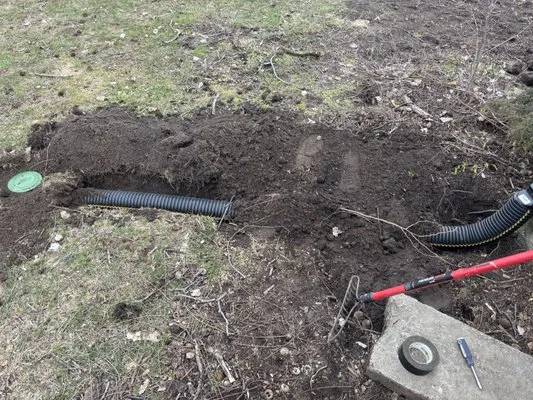
For over 13 years, Down to Earth Lawn Care has been the trusted choice for Eaton Rapids residents seeking reliable, owner-operated lawn services. Founded by Jamie, a professional with 25+ years in the...

Betts Lawn & Landscape is a locally owned and operated business serving Mason, MI, with comprehensive lawn care and property maintenance solutions. Founded and run by Keegan Betts, who brings hands-on...
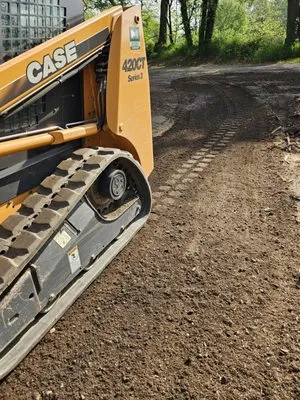
O'Hearon Timber and Land Management is a local Albion, MI, company providing comprehensive solutions for your property. We specialize in transforming challenging landscapes, from overgrown areas and t...
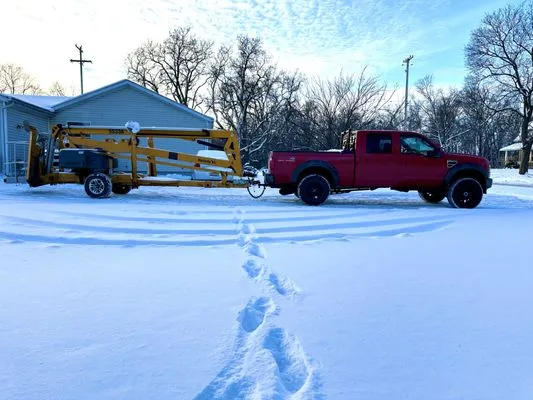
Riegel’s Property Services is a fully insured, local contractor dedicated to Springport's outdoor care needs. We specialize in tree trimming and removals, but our expertise extends to comprehensive pr...

Capitol City Lawn Care is a trusted landscaping company serving Eaton Rapids, MI, dedicated to solving common local lawn challenges. Many homeowners in our community struggle with bare lawn patches an...
Estimated Landscaping Service Costs in Springport Township, MI
FAQs
What solutions exist for seasonal water pooling in my yard's clay pockets?
Loamy glacial till's poor infiltration requires graded swales directing water away from foundations. We install French drains with clean washed stone wrapped in geotextile fabric, achieving 12-inch per hour permeability rates. Permeable concrete pavers meeting Springport Township Building Department runoff standards create 30% more surface infiltration than traditional concrete. For severe cases, dry wells connected to drainage systems manage 1,000+ gallon volumes during spring thaw events.
Can I reduce mowing frequency while maintaining property value?
Transitioning 30-50% of turf to native plantings like Common Milkweed and Little Bluestem cuts weekly mowing to biweekly schedules. These deep-rooted perennials require no irrigation after establishment and support 2026 biodiversity standards for pollinator corridors. Electric maintenance equipment operates below 65 decibels, staying ahead of potential gas-blower restrictions. Native beds sequester 3x more carbon than traditional lawn areas while providing visual interest through seasonal blooms.
What permits and licenses are needed for grading my half-acre property?
Springport Township Building Department requires erosion control permits for any grading disturbing over 5,000 square feet. Michigan LARA licensing mandates certified professionals for projects altering water flow patterns or moving more than 50 cubic yards of material. On 0.50-acre lots, this typically involves Section 7 soil engineer reviews to prevent downstream sedimentation. Licensed contractors carry minimum $500,000 liability coverage and provide notarized bonds for drainage work affecting adjacent properties. Always verify current license status through LARA's online verification portal before contracting.
Should I install irrigation despite no water restrictions in Springport Township?
Smart Wi-Fi soil moisture sensors optimize Kentucky Bluegrass and Fine Fescue mixes while practicing voluntary conservation. These systems use evapotranspiration data to deliver 1-1.5 inches weekly during peak demand, avoiding the 40% waste typical of timer-based irrigation. Properly calibrated sensors maintain soil moisture at 25-30% volumetric content, preventing shallow root development. This approach preserves municipal water resources while meeting turfgrass ET requirements of 0.20 inches daily in July.
How quickly can you respond to storm damage for HOA compliance in our neighborhood?
Emergency cleanup crews dispatch from Springport Township Hall with 45-60 minute peak response times. Vehicles take I-69 to M-99 exit 122, monitoring traffic patterns through our fleet management system. We prioritize safety hazards like downed limbs blocking driveways before addressing cosmetic damage. All equipment meets daytime noise ordinance limits for 7:00 AM starts during growing season emergencies.
Are concrete pavers better than wood for patio longevity in our climate?
Concrete pavers withstand USDA Zone 5b freeze-thaw cycles for 25+ years versus wood's 8-12 year lifespan. Their non-combustible nature supports Moderate Fire Wise ratings by creating defensible space around structures. Crushed limestone bases provide 98% compaction rates while allowing 4-inch per hour drainage. Interlocking systems accommodate soil movement without cracking, and modular designs permit future reconfiguration without complete removal. Properly installed paver systems meet ASTM C936 standards for load-bearing capacity.
How do I manage invasive species without violating fertilizer regulations?
Springport Township faces Japanese knotweed and garlic mustard invasions that outcompete native vegetation. Spot treatment with glyphosate alternatives during early growth stages avoids phosphorus ordinance violations. We schedule applications outside the April 15-June 1 blackout period for non-agricultural uses. Manual removal combined with pre-emergent corn gluten applications creates suppression without soil disruption. Always verify treatment plans against Michigan's prohibited species list updated January 2026.
Why does my Springport Village Center lawn struggle with compaction despite regular care?
Springport Township lots developed around 1979 have 47-year-old soil profiles in loamy glacial till. This soil type naturally develops dense layers over decades, reducing permeability to 0.5 inches per hour in clay pockets. Core aeration every 2-3 years introduces oxygen channels while incorporating composted organic matter addresses pH drift toward 7.2. Mature landscapes benefit from mycorrhizae inoculants to rebuild soil structure without disrupting established root zones.
