Top Landscaping Services in South Rockwood, MI, 48179 | Compare & Call

A & J Maintenance
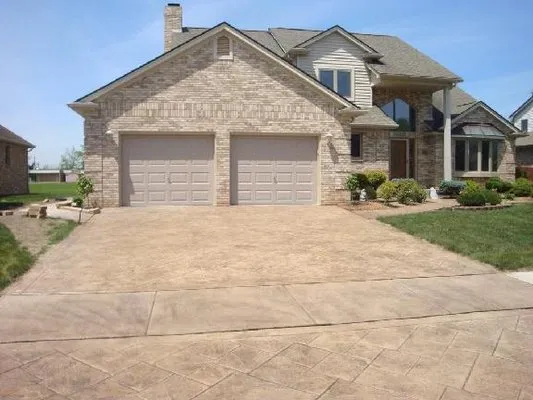
A & J Maintenance is a South Rockwood, MI-based company that has built a strong reputation for reliable service in Monroe and Wayne Counties. Specializing in regular and stamped concrete, we are also ...
Louie's Landscaping is a trusted, locally-owned landscaping service based in South Rockwood, MI. We understand the common challenges homeowners in our area face, such as damaged landscape edging that ...
Brendan's Lawn Care is a friendly, honest, and efficient lawn maintenance business based in South Rockwood, MI, serving the Downriver community. We specialize in lawn mowing and offer basic landscapin...

Morris's Best Deal Curb Appeal is a trusted handyman and landscaping service based in South Rockwood, MI, specializing in transforming and maintaining local homes. We help South Rockwood homeowners ta...

JB Lawn Care & Snow Removal is a trusted, fully licensed and insured provider serving South Rockwood and surrounding communities like Woodhaven, Trenton, and Grosse Ile. We specialize in comprehensive...
FAQs
Are concrete pavers better than wood for patio materials?
Concrete pavers and crushed limestone offer superior longevity compared to wood, with 25+ year lifespans versus wood's 10-15 years in South Rockwood's climate. These materials maintain structural integrity through freeze-thaw cycles common in USDA Zone 6b. For properties with Moderate Fire Wise ratings, non-combustible hardscapes create defensible space by eliminating flammable materials near structures. The thermal mass of concrete also moderates microclimate temperatures around your home more effectively than wood decking.
What solutions exist for my yard's persistent standing water?
The Blount-Morley-Nappanee Complex soil in South Rockwood has poor infiltration characteristics due to clay content, exacerbating seasonal high water table issues. Permeable concrete pavers or crushed limestone installations create subsurface drainage pathways while meeting South Rockwood Village Building Department runoff standards. French drains or dry wells integrated with these materials redirect water from saturated zones. This approach addresses the clay's low permeability while maintaining hardscape functionality during heavy precipitation events.
Should I replace parts of my lawn with native plants?
Transitioning high-maintenance turf areas to native plantings like Common Milkweed, Wild Bergamot, Prairie Dropseed, and Black-eyed Susan reduces weekly mowing requirements from May through September. These species support local pollinators while requiring minimal irrigation once established, conserving water resources. The shift also anticipates evolving noise ordinances that may restrict gas-powered equipment usage. Native plantings develop deeper root systems that improve soil structure and resilience in USDA Zone 6b conditions.
How do I manage invasive species without harming my lawn?
Common invasive alerts in South Rockwood include garlic mustard and Japanese knotweed, which compete with desirable vegetation. Treatment timing must avoid Michigan Fertilizer Act (PA 451 Part 85) phosphorus application blackout dates, typically late fall through early spring. Targeted herbicide applications or manual removal during appropriate windows prevents chemical runoff into waterways. This approach eliminates invasives while protecting the Blount-Morley-Nappanee soil's natural pH balance and microbial communities.
What permits and licenses are needed for grading my yard?
Grading work on South Rockwood's typical 0.35-acre lots requires approval from the South Rockwood Village Building Department for erosion control and drainage plans. Contractors must hold appropriate licensing through the Michigan Department of Licensing and Regulatory Affairs (LARA), particularly for earth moving exceeding certain volumes. These regulations ensure proper water management on the Blount-Morley-Nappanee soil type to prevent off-site runoff issues. Unlicensed grading can result in significant fines and mandatory restoration requirements under local ordinances.
Why does my lawn have drainage issues and compacted soil?
South Rockwood homes built around 1978 have soil that has matured for approximately 48 years, developing the Blount-Morley-Nappanee Complex characteristic of this area. This soil type with pH 6.8-7.2 tends to compact over decades, reducing permeability and creating seasonal water table challenges. In South Rockwood Village Center neighborhoods, core aeration every 2-3 years and organic amendments like compost can restore soil structure. These interventions improve water infiltration while maintaining the balanced pH that supports healthy turf growth.
How do I maintain my Kentucky Bluegrass lawn without wasting water?
Smart Wi-Fi soil moisture sensor controllers provide precise irrigation management despite South Rockwood having no formal water restrictions. These systems monitor real-time evapotranspiration rates and soil conditions, delivering water only when the Kentucky Bluegrass and Perennial Ryegrass mix requires hydration. This technology typically reduces water usage by 30-40% compared to traditional timer-based systems while maintaining turf health. The approach aligns with municipal conservation guidelines by preventing runoff and deep percolation losses.
How quickly can you respond to storm damage for HOA compliance?
Emergency cleanup crews dispatch from the South Rockwood Branch Library area, accessing I-75 for efficient routing throughout the township. During peak conditions, arrival typically occurs within 25-35 minutes for urgent situations like fallen branches or drainage emergencies. This response window accommodates standard noise ordinance hours from 7:00 AM to 9:00 PM while addressing immediate safety concerns. The route optimization ensures timely mitigation of hazards that might violate neighborhood maintenance standards.
