Top Landscaping Services in South Lyon, MI, 48178 | Compare & Call
There are 187 landscaping companies server in South Lyon MI
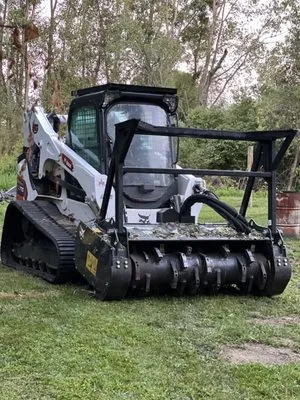
Lads Lawn Care is a trusted father-and-son family business proudly serving Stockbridge and the surrounding area. As a small, locally owned team, we offer a comprehensive range of services to care for ...
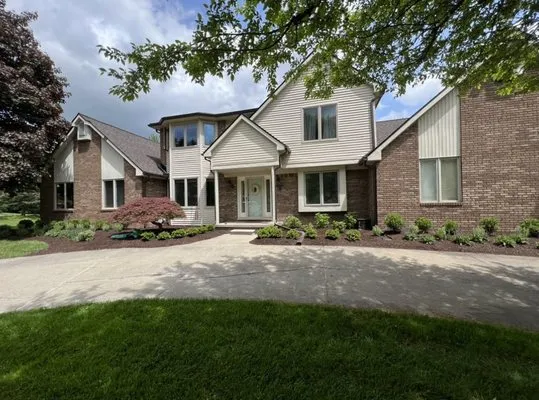
I'm Brendan Nostrant, the owner of Brendan's Handy Scape. My journey in the trades began right here in Northville at age 13, working in landscaping and building my skills as a handyman. After graduati...
Yard Smart in Wayne, MI, is your local, full-service partner for property care and cleanup. We specialize in landscaping, junk removal, and tree services, helping Wayne homeowners maintain beautiful, ...
Landscape Design & Associates
Landscape Design & Associates is a Brighton-based, award-winning design/build and management firm serving Southeast Michigan for over 25 years. Founded on an artistic vision for landscaping, our compa...
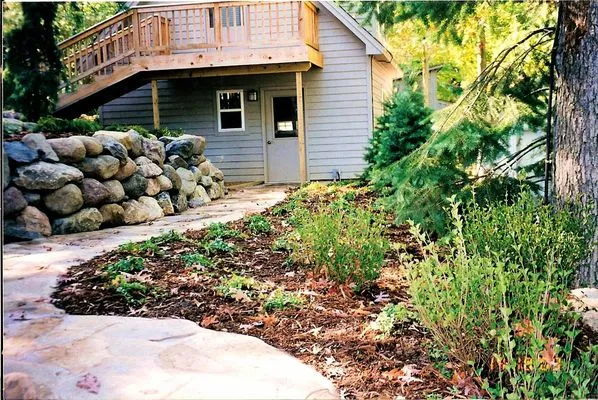
Trail Creek Landscape Contractor
Trail Creek Landscaping is a family-owned and operated business in Gregory, MI, built on over 40 years of hands-on industry knowledge. Founder Don leads a team where the designer is also the builder, ...
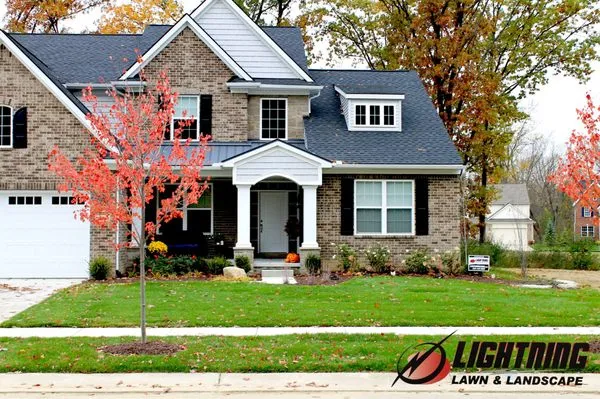
Lightning Lawn & Landscape
Founded in 1998, Lightning Lawn & Landscape grew from a personal passion for creating beautiful outdoor spaces into a trusted, full-service property grounds management company in South Lyon. With over...
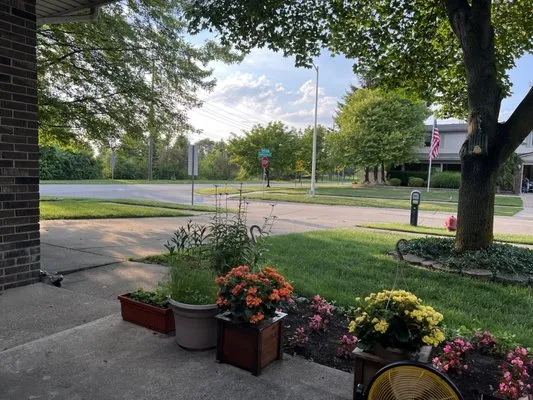
Earthworks Outdoor Care is a family-owned and operated landscaping business serving Canton, MI, since 1997. With decades of experience in property maintenance, we provide reliable commercial and resid...
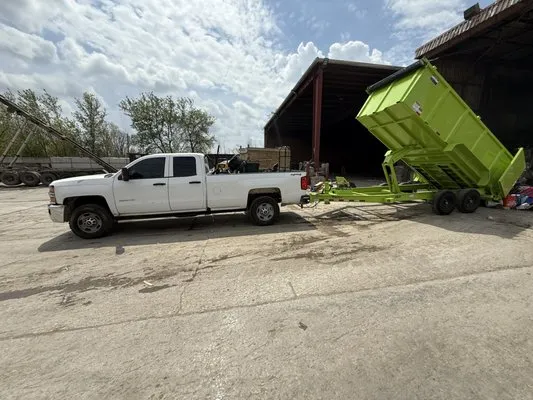
Lilly’s Lawn & Snow is a Ypsilanti-based company providing essential outdoor services to keep local properties looking their best year-round. We specialize in junk removal and hauling, comprehensive l...
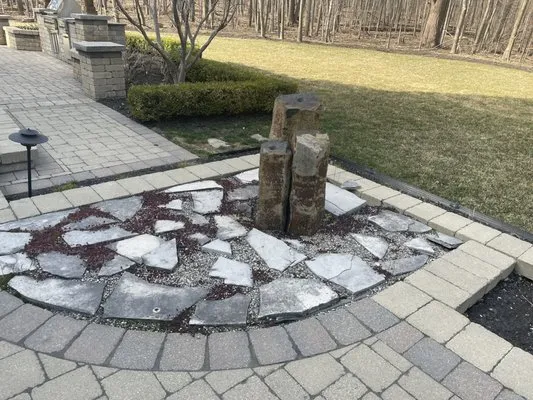
Poseidon Ponds & Landscaping is a Dexter-based company founded in 2012 by Cory Mann, a local resident and Michigan State University Horticulture graduate. What began as a lifelong passion for the outd...
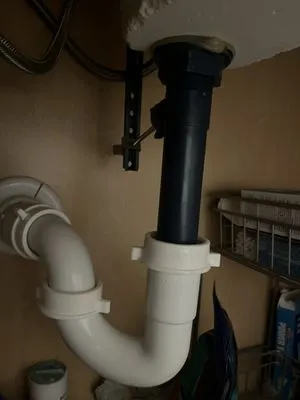
Junior's Handyman Services is Jackson's trusted, full-service solution for home maintenance, repair, and landscaping. We combine expert handyman skills with professional landscaping knowledge to keep ...
Estimated Landscaping Service Costs in South Lyon, MI
Common Questions
What permits and licenses are required for regrading my 0.28-acre lot?
The South Lyon Building Department requires grading permits for soil movement exceeding 50 cubic yards on 0.28-acre properties. Contractors must hold Michigan LARA landscaping licensure for earthwork affecting drainage patterns or structural foundations. Professional licensing ensures compliance with state erosion control standards and local runoff management ordinances. Unlicensed grading risks fines up to $5,000 and mandatory restoration orders if work alters the property's relationship to the seasonal water table.
How quickly can you respond to an HOA violation notice for overgrown vegetation?
Emergency cleanup crews dispatch from McHattie Park via I-96, arriving within 45-60 minutes during peak traffic conditions. This routing prioritizes arterial roads to bypass downtown congestion while maintaining compliance with South Lyon's 8AM-8PM noise ordinance. Teams carry electric maintenance equipment to begin work immediately upon arrival, addressing both turf violations and native planting overgrowth. The response window accounts for seasonal variations in traffic patterns along the I-96 corridor.
Are concrete pavers better than wood for longevity in Michigan's climate?
Concrete pavers withstand freeze-thaw cycles better than wood, lasting 25+ years versus wood's 10-15 year lifespan in USDA Zone 6a. Their non-combustible nature supports South Lyon's low Firewise rating by creating defensible space without fuel accumulation. Unlike wood that requires annual sealing, pavers need only occasional joint sand replenishment. The thermal mass of concrete also reduces heat island effect compared to dark wood surfaces in urban settings.
Why does my 35-year-old South Lyon lawn struggle with compaction and poor drainage?
Downtown South Lyon properties built around 1991 have soil that has matured for 35 years, developing a dense structure in slightly acidic loam. This soil type naturally compacts over time, reducing permeability and oxygen availability to roots. Core aeration every 2-3 years with organic amendments like compost addresses compaction while maintaining the optimal pH 6.2-6.8 range. Without intervention, frost heave risk increases as water cannot percolate properly through the soil profile.
What hardscape solutions prevent pooling in my loamy soil during spring thaws?
Permeable concrete pavers with crushed limestone bases create drainage pathways through slightly acidic loam's dense structure. This system allows 4-8 inches per hour of water infiltration, reducing surface runoff that contributes to frost heave risk. The South Lyon Building Department requires permeable surfaces for projects exceeding 100 square feet to manage stormwater. Installing these materials with proper slope and subsurface drainage channels addresses the high water table common in Downtown South Lyon properties.
Can I maintain Kentucky Bluegrass during Stage 1 water restrictions?
Wi-Fi ET-based weather sensing irrigation systems preserve turf health while staying within voluntary conservation limits. These controllers adjust watering schedules daily based on evapotranspiration rates, reducing applications by 20-30% compared to traditional timers. The system maintains the Kentucky Bluegrass and Perennial Ryegrass mix at minimal stress levels by delivering water only when soil moisture sensors indicate need. This technology prevents overwatering that could exacerbate South Lyon's high seasonal water table conditions.
How do I control invasive species without violating phosphorus regulations?
Targeted manual removal of invasive plants like garlic mustard or Japanese knotweed avoids phosphorus applications prohibited by statewide ordinance. For persistent infestations, spot-treat with glyphosate alternatives during early growth stages before seed set. Apply organic soil amendments to strengthen native plant competition without synthetic fertilizers. Time treatments outside blackout periods when new lawn establishment might require phosphorus, typically avoiding April-June windows in Michigan's 6a hardiness zone.
Should I replace high-maintenance turf with native plants to reduce noise and emissions?
Transitioning to Purple Coneflower, Butterfly Milkweed, Little Bluestem, and Wild Bergamot creates a low-input landscape that aligns with 2026 electric equipment standards. These natives require no weekly mowing, eliminating gas-powered equipment noise during restricted hours. Established native plantings need only seasonal maintenance, reducing carbon emissions from maintenance fleets by 70-80%. The deep root systems of these species also improve soil structure and drought tolerance beyond what traditional turf provides.
