Top Landscaping Services in Sodus, MI, 49022 | Compare & Call

There are 127 landscaping companies server in Sodus MI
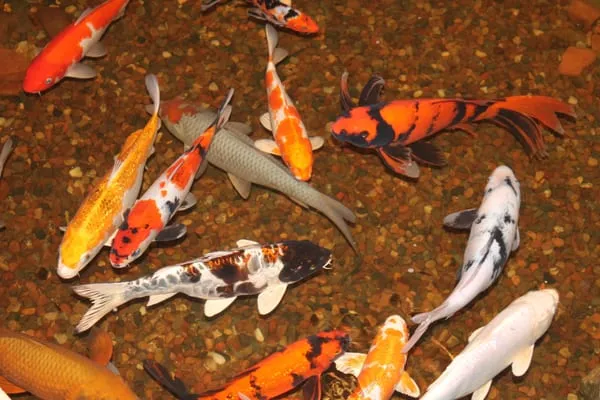
Great Lakes Pondscapes in Paw Paw, MI, is a family of pond and garden enthusiasts dedicated to bringing the beauty of water features to our local community. Since 2006, we've grown from an Aquascape d...
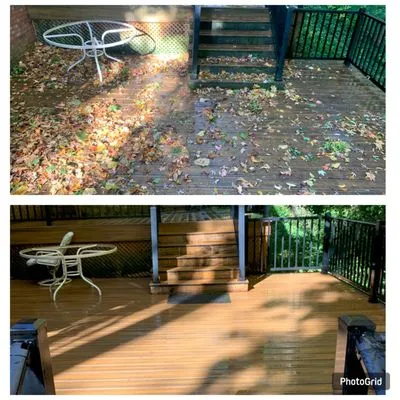
Prime Property Services is a locally owned and operated business in Niles, MI, founded by an experienced professional who genuinely enjoys the work. With extensive background in landscape work, pressu...
Sprinkler Solutions is a Kalamazoo-based landscaping and irrigation company dedicated to enhancing outdoor living spaces across Southwest Michigan. While we specialize in designing and installing effi...
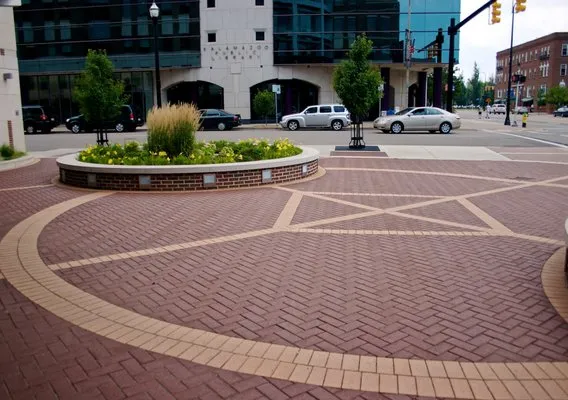
Founded in 1939 by Henry and Adrian DeVisser, Devisser Landscape Service is a third-generation, family-owned business dedicated to making a positive impact by beautifying properties in Kalamazoo. With...
Michiana Lawn Care is your Benton Harbor, MI, neighbor for reliable lawn care, snow removal, and tree services. We are a fully licensed and insured company serving both residential and commercial prop...
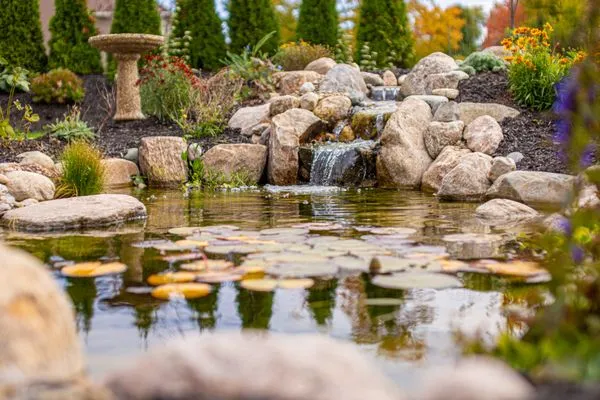
Serene Water Gardens
Serene Water Gardens is a Master Certified Aquascape Contractor based in Benton Harbor, serving southwest Michigan. Since 2021, we have specialized exclusively in the design, installation, and mainten...
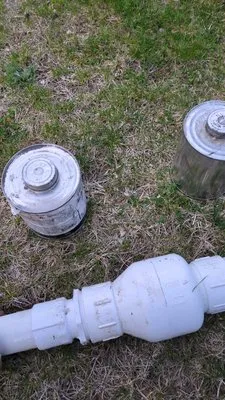
Flowpoint Irrigation is your Portage neighbor for custom irrigation solutions. Founded by a seasoned sprinkler technician and now employee-owned, we bring deep local expertise to every job. We special...
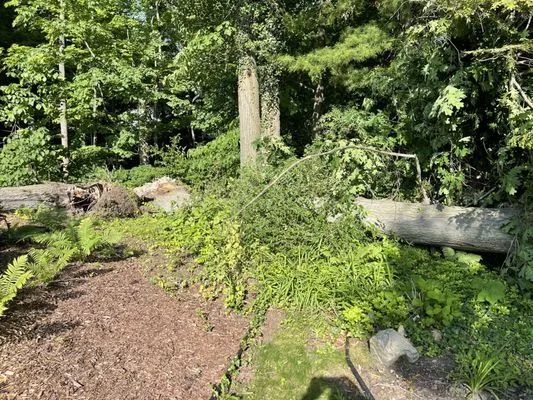
JYJ Tree Service has been a trusted part of the Benton Harbor community since 2019, bringing over 17 years of combined experience to every job. We specialize in comprehensive tree care, from precise t...
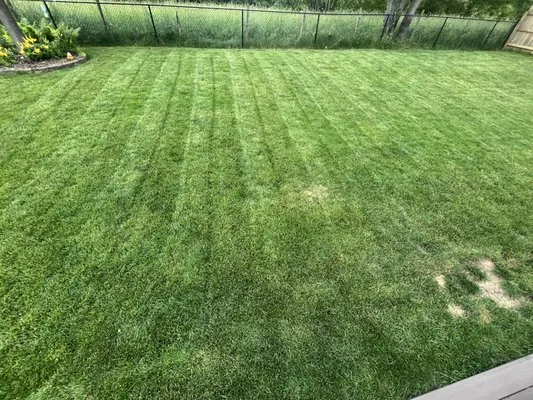
GreenCove is a local Kalamazoo landscaping and lawn care service, established in 2024 by a dedicated owner who has spent five years mastering the trade. Now an independent business owner while attendi...
Crum Park Farm Land Management is a Galesburg-based land management company specializing in excavation, landscaping, and tree services for properties throughout Kalamazoo, Battle Creek, and surroundin...
Estimated Landscaping Service Costs in Sodus, MI
Questions and Answers
What permits and licenses are needed for grading my half-acre lot?
Grading projects on 0.50-acre lots require erosion control permits from Berrien County Planning & Community Development, with specific standards for soil disturbance exceeding 1 acre-foot. Contractors must hold Michigan LARA landscaping licensure, ensuring compliance with state environmental regulations. Professional licensing verifies competency in proper drainage design and soil stabilization techniques. Unpermitted grading can result in violations due to runoff impacts on neighboring properties and watersheds.
What solutions work for seasonal water pooling in Sodus yards?
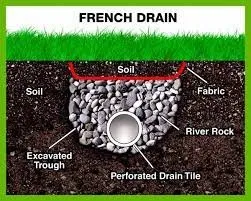
Silty loam soils in Sodus have naturally poor infiltration, requiring engineered drainage systems like French drains or dry wells. Permeable concrete pavers and crushed limestone hardscapes can reduce surface runoff by 40-50%, meeting Berrien County Planning & Community Development standards. Grading adjustments should direct water away from foundations toward infiltration zones. These approaches address the seasonal high water table while maintaining landscape functionality.
Why does my Sodus lawn have drainage issues and compacted soil?
Sodus Village Center properties average 48 years of soil maturity since 1978 construction, leading to significant compaction in the native silty loam. This soil type naturally has poor permeability, and decades of foot traffic and equipment weight have reduced pore space, limiting water infiltration. Core aeration with organic amendments like compost is essential to restore soil structure and improve drainage. Without intervention, the seasonal high water table will exacerbate surface pooling during spring thaws.
Are concrete pavers better than wood for Sodus patios?
Concrete pavers and crushed limestone offer superior longevity to wood, with 25+ year lifespans versus wood's 10-15 years in Michigan's climate. These materials maintain structural integrity despite freeze-thaw cycles and high water table conditions. For fire-wise considerations, non-combustible hardscapes create defensible space around structures, though Sodus has low fire risk ratings. Permeable installations further enhance drainage while reducing heat island effects.
How quickly can you respond to storm damage for HOA compliance?
Emergency cleanup crews dispatch from Sodus Township Park via I-94, reaching Sodus Village Center within 20-30 minutes during peak conditions. This routing avoids residential bottlenecks while maintaining compliance with standard 7am-9pm noise ordinances. We prioritize debris removal and safety assessments using electric equipment to minimize neighborhood disruption. Response timing accounts for traffic patterns and the 0.50-acre average lot size in the area.
Should I replace high-maintenance grass with native plants?
Transitioning to Purple Coneflower, Butterfly Milkweed, Little Bluestem, and Wild Bergamot reduces mowing frequency and eliminates gas-powered blower use, anticipating future noise ordinance restrictions. Native plantings require 75% less water than traditional turf and support local pollinator populations. This approach aligns with 2026 biodiversity standards while decreasing maintenance costs. Electric equipment can handle minimal cleanup without violating current 7am-9pm noise limits.
How do smart controllers maintain my lawn without wasting water?
Smart Wi-Fi weather-based controllers use evapotranspiration (ET) data to adjust irrigation schedules dynamically, preserving Kentucky Bluegrass and Fine Fescue turf. These systems reduce water use by 20-30% compared to traditional timers, staying within Sodus's normal water restriction parameters. They account for real-time rainfall, humidity, and temperature, preventing overwatering during high water table periods. This technology ensures turf health while conserving municipal water resources.
How do I control invasive species while following fertilizer rules?
Michigan's phosphorus-free fertilizer requirement under the Natural Resources and Environmental Protection Act necessitates targeted invasive management. For species like garlic mustard or Japanese knotweed, manual removal combined with approved organic herbicides avoids phosphorus contamination. Treatment timing should avoid spring blackout dates when fertilizers could leach into groundwater. Soil testing every 2-3 years ensures amendments address deficiencies without violating regulations.
