Top Landscaping Services in Sebewa Township, MI, 48875 | Compare & Call

There are 108 landscaping companies server in Sebewa Township MI
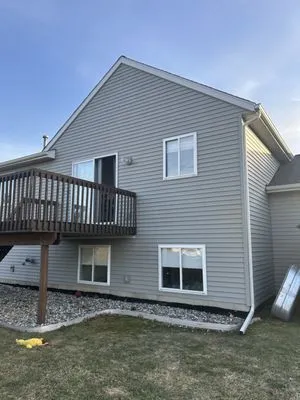
JRB Landscaping has been a trusted partner for homeowners in Hastings, MI, for years, providing reliable and professional exterior care. Our team, led by local experts, focuses on understanding the sp...
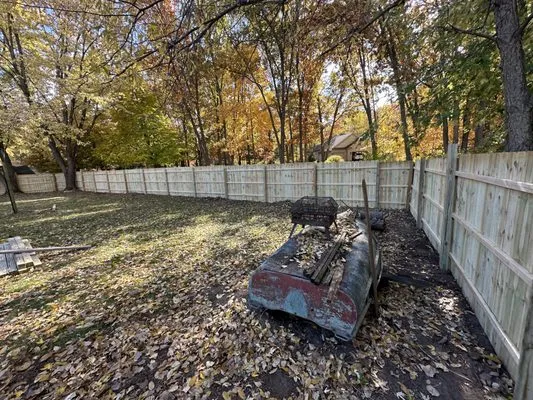
River Edge Land Management is your dedicated local partner for enhancing and protecting your Alto property. We specialize in creating lasting landscapes through careful earthmoving and regrading, inst...

Sneller Snow & Grounds
Sneller Snow & Grounds is a Byron Center, MI-based company with deep roots in the community, specializing in snow removal, landscaping, and tree services. Founded in 1984 by Duane Sneller as a landsca...
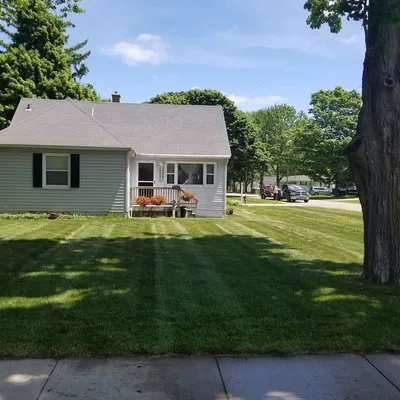
GrassMasters Landscape & Design is a family-owned lawn maintenance company serving Sparta, MI, with years of expertise in lawn care, tree services, and snow removal. Founded by Dan, who grew up workin...

T&M Outdoor Services is a licensed, full-service company dedicated to transforming outdoor spaces in Hastings, MI, and across Western Michigan. We specialize in creating beautiful, functional, and low...
B&H Property Care is a trusted lawn service provider in Grand Rapids, MI, specializing in comprehensive lawn care solutions. Many homes in the area face common landscaping challenges like overgrown sh...

Anything Dirt-Excavating & Landscaping
Based in Ionia, MI, Anything Dirt-Excavating & Landscaping is your local expert for transforming properties and solving common yard challenges. We specialize in comprehensive earthmoving, excavation, ...
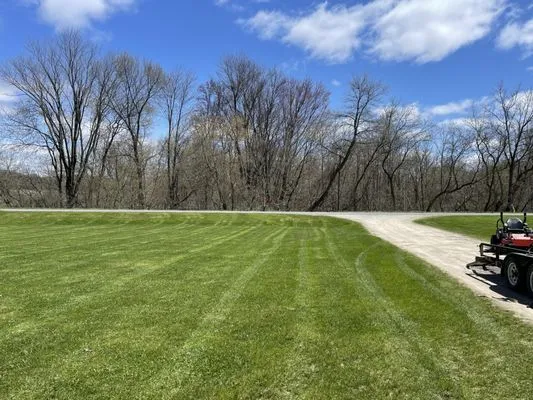
JG Lawn & Landscaping is Clarksville's trusted partner for enhancing outdoor living spaces and solving common local property challenges. Specializing in both Lawn Services and Masonry/Concrete, we pro...

McCurdy Services is a veteran-owned outdoor maintenance company based in Portland, Michigan, serving the local community and surrounding areas. We specialize in comprehensive lawn care, landscaping, h...
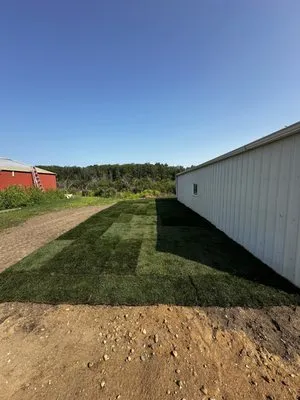
Rooted Sod is a trusted, family-founded landscaping company serving Battle Creek, MI, with over a decade of experience. We specialize in transforming lawns with quality sod installation and providing ...
Estimated Landscaping Service Costs in Sebewa Township, MI
Question Answers
We need emergency storm damage cleanup to meet HOA requirements. How quickly can a crew respond?
Emergency response from Sebewa Township Hall typically requires 45-60 minutes during peak conditions. Crews route via I-96 to access Sebewa Center properties efficiently. This timeframe accounts for equipment loading, traffic variables, and initial site assessment. For compliance-driven cleanup, scheduling during standard noise ordinance hours (7:00 AM - 10:00 PM) ensures uninterrupted work while meeting neighborhood standards.
Our Sebewa Center yard seems compacted and drains poorly. Could this be related to the age of our property?
Properties built around 1981 in Sebewa Township have approximately 45 years of soil development. Loamy sand soils in this neighborhood naturally compact over decades, reducing permeability and creating drainage issues. Core aeration every 2-3 years is essential to improve soil structure and oxygen exchange. Adding organic amendments like composted leaf mold increases water retention while maintaining the pH 6.2-6.8 range optimal for most landscape plants.
What permits and licenses are needed for grading our 2.5-acre property?
Grading projects exceeding 5,000 square feet on 2.5-acre lots require Ionia County Building Department review for erosion control compliance. Contractors must hold appropriate Michigan LARA licensing for earth moving and stormwater management. The scale triggers sediment control planning under state regulations. Professional licensing ensures proper execution of drainage solutions that protect neighboring properties and comply with local ordinances governing land disturbance.
We've spotted invasive species in our garden. How should we address them safely?
Common invasive alerts for Zone 5b include garlic mustard and Japanese knotweed. Manual removal before seed set is most effective for small infestations. For chemical treatment, follow Michigan Fertilizer Act (PA 451, Part 85) guidelines regarding application timing and rates. Avoid treatments during blackout dates specified for sensitive areas. Always identify species through Michigan State University Extension resources before proceeding with control measures.
Is crushed limestone or wood better for our patio considering fire safety?
Crushed limestone offers superior longevity and fire resistance compared to wood in Sebewa Township's Moderate Fire Wise Rating zone. This non-combustible material maintains defensible space requirements for rural interface properties. Limestone's permeability also reduces runoff, unlike impervious surfaces that concentrate heat. For high-risk areas, mineral-based hardscapes provide lasting structure without the maintenance or flammability concerns of organic materials.
How can we maintain Kentucky Bluegrass and Perennial Ryegrass while practicing water conservation?
Smart Wi-Fi soil moisture sensor controllers optimize irrigation by delivering water only when ET rates indicate need. These systems prevent overwatering common in loamy sand soils with poor infiltration. Despite voluntary conservation status in Sebewa Township, these controllers typically reduce municipal water usage by 30-40% while preserving turf health. Programming deep, infrequent watering cycles encourages deeper root development and drought resilience.
What low-maintenance alternatives exist for our high-water turf areas?
Transitioning to native plant communities featuring Common Milkweed, Wild Bergamot, Little Bluestem, and Black-eyed Susan reduces maintenance by 70-80%. These species require no irrigation once established and support local pollinators. This approach aligns with emerging electric equipment standards that will phase out gas-powered blowers under noise ordinances. Xeriscaping with natives also enhances biodiversity beyond 2026 landscape infrastructure benchmarks.
Our yard has standing water after heavy rains. What solutions work with our soil type?
Seasonal high water tables in Sebewa Township's loamy sand require graded swales or French drains to redirect surface water. Crushed limestone hardscapes provide permeable surfaces that meet Ionia County Building Department runoff standards. For severe infiltration issues, installing dry wells or rain gardens with native plants improves absorption. These approaches address the soil's limited permeability while preventing foundation damage common in older neighborhoods.
