Top Landscaping Services in Saugatuck Township, MI, 49453 | Compare & Call
There are 126 landscaping companies server in Saugatuck Township MI
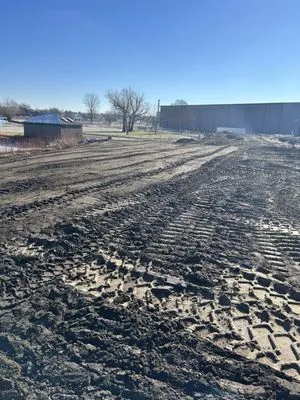
Black Creek Excavating is a trusted, family-owned excavation company serving the Zeeland, MI community with over 20 years of hands-on experience. We specialize in a comprehensive range of services, fr...
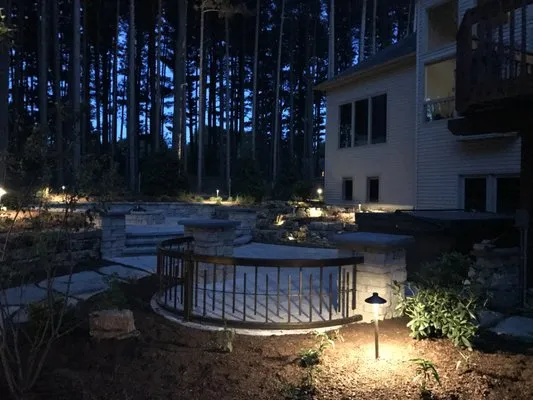
Platinum Ponds & Landscaping
Platinum Ponds & Landscaping is a licensed landscaping company in Caledonia, MI, founded in 2015 by Ryan Farnol. With over 13 years of experience that began in the Rocky Mountains of Colorado, Ryan br...

Landscape Design Services is a family-owned business that has been serving Holland, MI and the West Michigan lakeshore since 1968. Founded by the Bakker family, the company specializes in comprehensiv...

Sticks Tree and Trimmings is a Holland, MI-based tree service and landscaping company dedicated to serving West Michigan neighbors. We focus on keeping properties safe, beautiful, and well-maintained ...
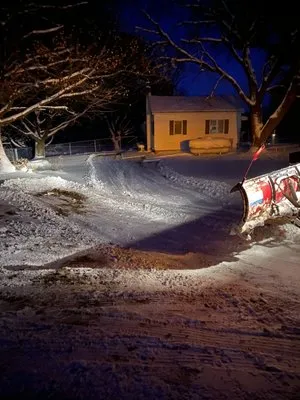
Calton's Lawn Care & Landscaping is a Kent City, MI-based business founded in 2018 by professionals with over 15 years of combined experience in the industry. We specialize in comprehensive landscapin...
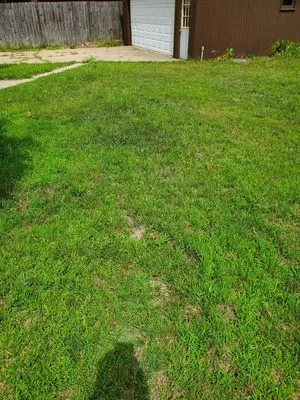
Double J Lawn Services started right here in Grand Rapids with a simple sign in our own front yard. Neighbors walking by took notice of our consistent, quality work, and word began to spread. That gra...
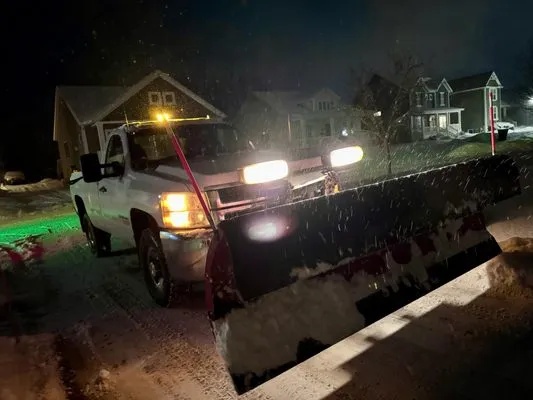
Roa Landscaping and More is your trusted, full-service partner for outdoor and home projects in West Olive, MI. As a local, family-operated business, we specialize in landscape construction, maintenan...

PROCARE
PROCARE Landscape Management, founded in Grand Rapids in 1989 by Dirk Bakhuyzen Jr. and his wife Phyllis, has grown from a family dream into a trusted, full-service landscape and tree care company ser...
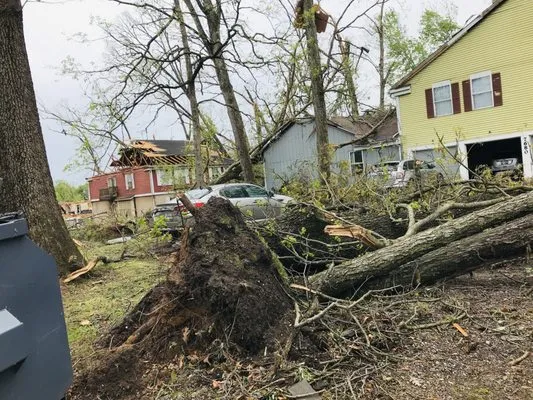
Serving Pullman and the surrounding communities, Nunez Mowing and Tree Service is your trusted local partner for healthy lawns and safe, beautiful trees. We understand the specific challenges homeowne...
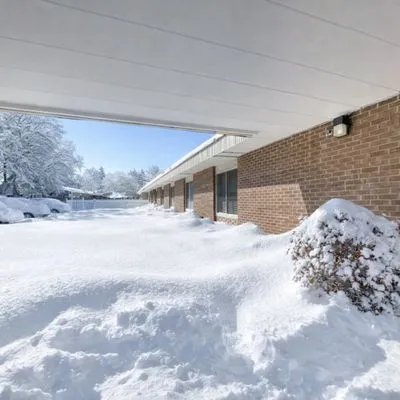
Wabeke Lawn & Snowplowing has been a trusted part of the Hudsonville community since 1968, evolving from a basic lawn and snow removal service into a comprehensive landscape design and construction fi...
Estimated Landscaping Service Costs in Saugatuck Township, MI
FAQs
We're tired of weekly mowing and gas equipment noise. What are quieter, lower-maintenance alternatives?
Replacing high-maintenance turf with native plant communities reduces mowing frequency while supporting local ecology. Butterfly Milkweed, Little Bluestem, Wild Bergamot, and Dense Blazing Star thrive in USDA Zone 6a with minimal irrigation once established. These deep-rooted perennials prevent erosion better than turf while providing seasonal interest. Electric maintenance equipment operates below 65 decibels, complying with noise ordinances and upcoming 2026 emissions standards. A phased conversion approach allows gradual adaptation while maintaining some functional turf areas.
What permits and qualifications should we verify before hiring someone for grading and drainage work?
Any significant grading on a 0.55-acre lot requires review by the Saugatuck Township Planning & Zoning Department, especially near property lines or drainage easements. Contractors must hold appropriate licensing through Michigan LARA, with specific endorsements for excavation and erosion control. For projects moving more than 50 cubic yards of material or affecting stormwater patterns, engineered plans may be necessary. Verify insurance coverage includes grading operations, and request references from similar projects in Riverside Estates where soil conditions match your sandy loam profile.
Our Riverside Estates yard seems compacted and drains too fast. What's happening with our soil?
Saugatuck Township's sandy loam soil naturally has high permeability, but after 43 years of development since the neighborhood's 1983 average build date, organic matter depletion is common. This soil maturity period has likely reduced water retention capacity below optimal levels for turf health. Core aeration with compost amendments can rebuild soil structure by increasing organic content to 3-5%, improving moisture retention while maintaining the natural pH 6.2-6.8 range. Regular soil testing every 2-3 years helps monitor nutrient availability in this established landscape.
How can we keep our Kentucky Bluegrass and Fine Fescue blend healthy during dry spells without violating water guidelines?
Smart Wi-Fi ET-based controllers calculate evapotranspiration rates using local weather data to apply only necessary water, typically reducing usage 20-30% compared to traditional timers. These systems adjust automatically for Saugatuck Township's voluntary conservation status, preventing overwatering during rainy periods. For your sandy loam soil, we recommend 0.5-0.75 inches weekly applied in two cycles to minimize runoff. Deep, infrequent watering encourages deeper root systems that better withstand drought stress while staying within municipal water system capacities.
We need emergency storm cleanup before an HOA inspection tomorrow. What's your fastest response time?
Our electric maintenance fleet can dispatch from Saugatuck Dunes State Park via I-196 to reach Riverside Estates within 20-30 minutes during peak response windows. This routing avoids typical congestion points while complying with noise ordinances restricting equipment operation before 8:00 AM. We prioritize debris removal from driveways and walkways first, then address turf damage assessment. Having photographic documentation of pre-storm conditions helps streamline insurance claims for significant tree or hardscape damage.
Water pools near our foundation after heavy rains despite our sandy soil. What solutions work here?
Localized sandy washout creates uneven permeability where water bypasses compacted layers. A French drain system with clean gravel and perforated pipe can redirect subsurface flow away from structures. Permeable concrete pavers for patios or walkways meet Saugatuck Township Planning & Zoning Department runoff standards by allowing 3-8 inches per hour infiltration. For severe cases, regrading with 2% slope away from foundations combined with drought-tolerant native plantings in affected areas addresses both drainage and erosion concerns common in this soil type.
We've spotted invasive Japanese knotweed spreading from a neighboring property. How do we handle it safely?
Japanese knotweed requires aggressive management with glyphosate-based herbicides applied during active growth periods, avoiding phosphorus-containing products near water bodies per local ordinance. Cut stems in early summer, then apply herbicide to regrowth in late summer for effective control. For smaller infestations, digging out the entire root system (which can extend 10+ feet) prevents regrowth. Always coordinate with adjacent property owners since rhizomes spread underground. Document control efforts as some municipalities require invasive species management plans.
Should we use permeable pavers or wood for our new patio considering fire safety and longevity?
Permeable concrete pavers offer superior longevity (30+ years versus wood's 10-15) with minimal maintenance in Saugatuck Township's freeze-thaw cycles. Their non-combustible nature supports Moderate Fire Wise Rating (WUI Zone 2) requirements by creating defensible space around structures. Unlike wood, pavers won't rot, warp, or attract insects while providing stable footing year-round. For sloped sites, interlocking designs prevent washout in sandy soils. The initial cost premium typically recovers through reduced replacement and maintenance expenses over a decade.
