Top Landscaping Services in Saranac, MI, 48881 | Compare & Call

There are 47 landscaping companies server in Saranac MI
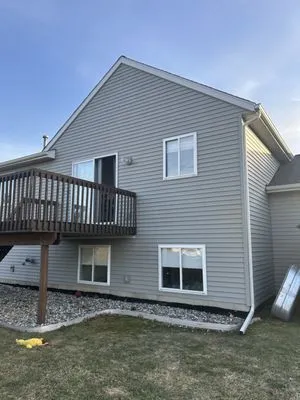
JRB Landscaping has been a trusted partner for homeowners in Hastings, MI, for years, providing reliable and professional exterior care. Our team, led by local experts, focuses on understanding the sp...

Gonzalez Lawn Impressions is a Grand Rapids, MI landscaping company founded in 2023 by a professional dedicated to transforming how clients experience outdoor living. With a focus on building meaningf...
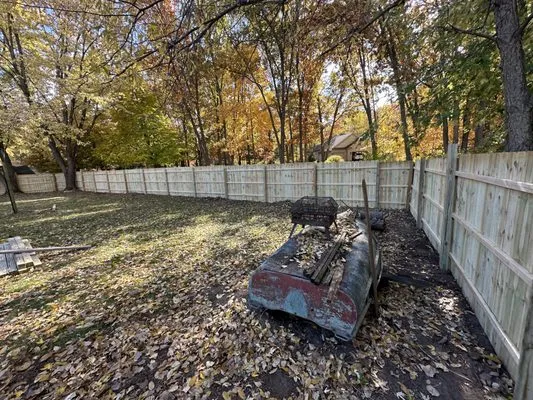
River Edge Land Management is your dedicated local partner for enhancing and protecting your Alto property. We specialize in creating lasting landscapes through careful earthmoving and regrading, inst...

Sneller Snow & Grounds
Sneller Snow & Grounds is a Byron Center, MI-based company with deep roots in the community, specializing in snow removal, landscaping, and tree services. Founded in 1984 by Duane Sneller as a landsca...
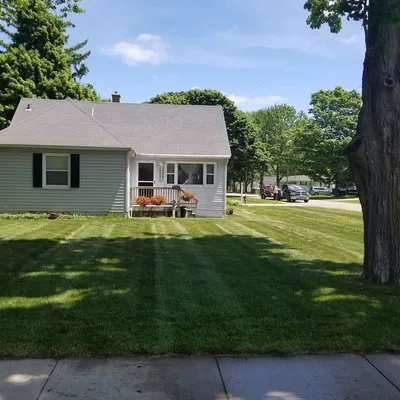
GrassMasters Landscape & Design is a family-owned lawn maintenance company serving Sparta, MI, with years of expertise in lawn care, tree services, and snow removal. Founded by Dan, who grew up workin...

T&M Outdoor Services is a licensed, full-service company dedicated to transforming outdoor spaces in Hastings, MI, and across Western Michigan. We specialize in creating beautiful, functional, and low...

Anything Dirt-Excavating & Landscaping
Based in Ionia, MI, Anything Dirt-Excavating & Landscaping is your local expert for transforming properties and solving common yard challenges. We specialize in comprehensive earthmoving, excavation, ...
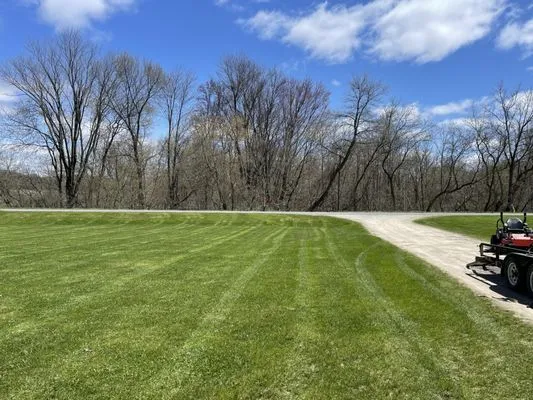
JG Lawn & Landscaping is Clarksville's trusted partner for enhancing outdoor living spaces and solving common local property challenges. Specializing in both Lawn Services and Masonry/Concrete, we pro...
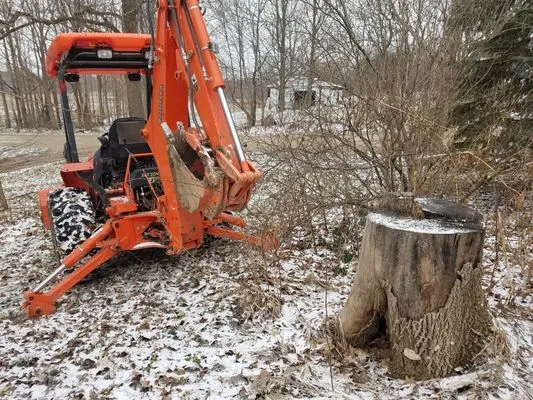
R&H Tractor Services began in 2016 with a focus on tractor work and a commitment to customer service. Founded by Ryan, who has a genuine passion for operating equipment and helping clients, the busine...
McCurdy Services is a veteran-owned outdoor maintenance company based in Portland, Michigan, serving the local community and surrounding areas. We specialize in comprehensive lawn care, landscaping, h...
Estimated Landscaping Service Costs in Saranac, MI
Q&A
We're considering a new patio. How do concrete pavers compare to wood for longevity and safety?
Concrete pavers offer 25+ year lifespans versus wood's 10-15 years with regular maintenance. Their non-combustible nature supports Saranac's low Fire Wise rating by maintaining defensible space. Properly installed with polymeric sand, pavers resist frost heave in USDA Zone 5b. Crushed limestone pathways provide additional permeability, reducing runoff compared to solid concrete slabs.
Do we need permits to regrade our 0.25-acre lot for better drainage?
Grading that alters water flow patterns requires Ionia County Building Department review. Contractors must hold Michigan LARA landscaping licensure for earthmoving exceeding 5 cubic yards. On 0.25-acre parcels, even modest regrading can impact neighboring properties, necessitating professional surveys. Licensed professionals carry required insurance and understand local setback requirements from property lines.
We've spotted invasive garlic mustard spreading. How do we treat it without violating fertilizer rules?
Garlic mustard should be hand-pulled before seed set in early spring, ensuring complete root removal. For established patches, targeted glyphosate applications in fall minimize impact on desirable plants. These treatments avoid the statewide phosphorus ban since they're not fertilizers. Always dispose of invasive plants in sealed bags to prevent reseeding, particularly near Saranac Community Park's natural areas.
Should we worry about water restrictions affecting our Kentucky Bluegrass and Fine Fescue lawn?
Saranac currently maintains Stage 0 water restrictions, but proactive conservation is recommended. Smart Wi-Fi controllers with soil moisture sensors adjust irrigation based on actual ET rates and precipitation. This technology typically reduces water use by 20-40% while maintaining turf health. Systems should be calibrated monthly during the growing season to account for loamy sand's rapid drainage characteristics.
We need emergency storm debris cleanup to meet HOA compliance deadlines. How quickly can a crew arrive?
Emergency response from Saranac Community Park via M-21 typically requires 20-30 minutes during peak conditions. Crews follow optimized routing that accounts for seasonal traffic patterns along this corridor. Electric maintenance equipment allows work within standard noise ordinance hours (7 AM-9 PM) without disturbance. Debris removal prioritizes safety hazards first, followed by aesthetic restoration.
Our yard stays soggy well into spring. What drainage solutions work with Saranac's soil conditions?
Moderate seasonal high water tables are common in loamy sand soils with limited clay content. Permeable concrete pavers or crushed limestone hardscapes allow surface water infiltration while meeting Ionia County Building Department runoff standards. French drains should be installed 18-24 inches deep with proper gravel packing. Grade adjustments of 2% slope away from foundations are often necessary on 0.25-acre lots.
We want to reduce mowing and gas equipment noise. What are our native plant options?
Transitioning to Michigan natives like Butterfly Weed, Wild Bergamot, Little Bluestem, and Stiff Goldenrod creates low-maintenance landscapes. These species require no weekly mowing and support local pollinators. Electric maintenance equipment operates quietly within noise ordinance parameters. Established native plantings need only seasonal trimming, eliminating the May-October mowing schedule entirely.
Our 1960s-era Downtown Saranac home has patchy grass despite regular care. What's happening with our soil?
Properties built around 1965 in Downtown Saranac have approximately 61-year-old soil profiles. Loamy sand soil with pH 6.2-6.8 tends to compact over decades, reducing permeability and root penetration. Core aeration every 1-2 years is essential to address this compaction. Incorporating 0.5 inches of compost annually improves organic matter content, which enhances water retention in this fast-draining soil type.
