Top Landscaping Services in Sandstone, MI, 49201 | Compare & Call
There are 199 landscaping companies server in Sandstone MI
Ever-Green Landscaping is a trusted local landscaping company serving Brooklyn, MI, dedicated to maintaining and enhancing outdoor spaces with expertise and care. We specialize in addressing common lo...

RH Lawn Service has been the trusted local choice for lawn care in Albion, MI, since 2019. Our focus is on providing reliable, professional maintenance to help your outdoor space thrive. We understand...
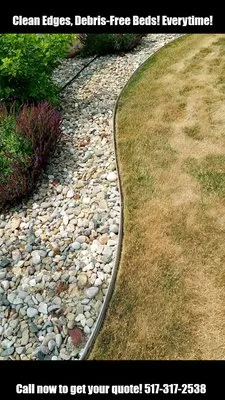
Dyer Family Trade is a family-run lawn care and gardening business proudly serving Coldwater, MI, and surrounding areas in Branch and Calhoun County since 2021. Founded by a local resident with a pass...
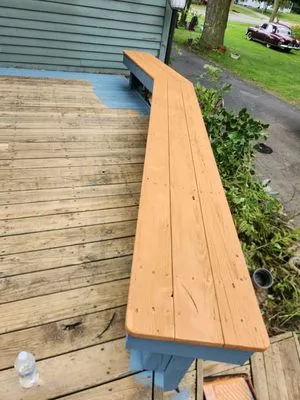
Allwardt's Handyman Service is a Hillsdale-based family business built on a tradition of skilled craftsmanship passed down through three generations. What started as side work quickly grew into a dedi...
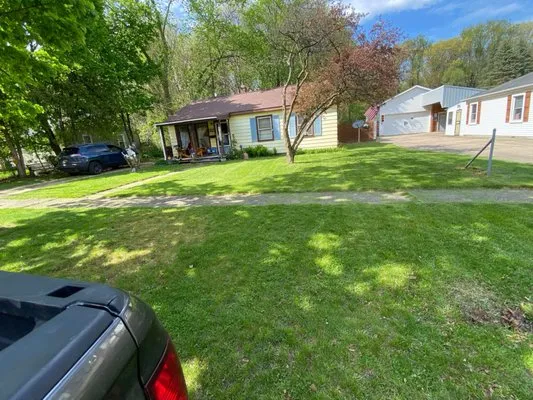
Colton's Landscaping is a locally-owned and operated service in Albion, MI, dedicated to keeping your property looking its best year-round. We offer comprehensive lawn care, including mowing, trimming...
Lucas Lawn Service is a trusted local lawn care provider serving Albion, MI, dedicated to keeping residential and commercial properties looking their best year-round. We specialize in comprehensive la...
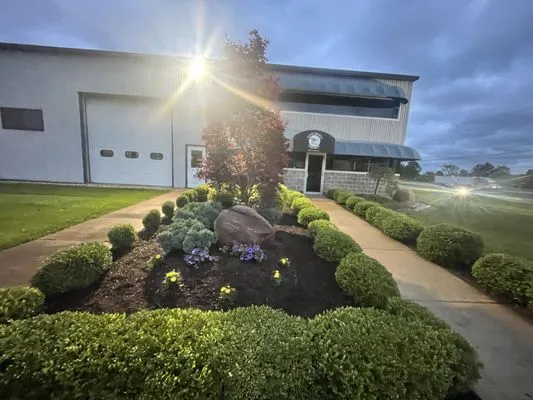
Better View is a trusted, full-service landscaping company based right here in Albion, MI. We understand the unique challenges Albion homeowners face, from rock gardens that shift over time to stubbor...
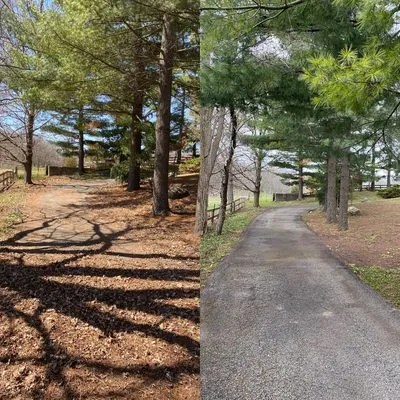
Lowry's Landscaping is a Brooklyn, MI-based company founded on a simple, powerful principle: reliable service. Owner and founder Josh Lowry started the business in May 2022 after seeing the consistent...
Hughes Landscape is a trusted, locally-owned landscaping company serving the Brooklyn, MI community. We specialize in tackling the specific lawn challenges common to our area, including stubborn weed ...
All-Green Landscaping is your trusted local partner in Grass Lake, MI, dedicated to creating and maintaining beautiful, functional outdoor spaces. We understand the unique challenges homeowners face i...
Estimated Landscaping Service Costs in Sandstone, MI
Common Questions
What permits and licenses are required for regrading my 0.35-acre Sandstone property?
Jackson County Building & Permits Department requires grading permits for any significant earth movement, while Michigan LARA mandates licensed professionals for engineered drainage solutions. On 0.35-acre lots, even minor grade changes can impact watershed patterns, necessitating certified erosion control measures. Unlicensed grading risks fines and voided property insurance due to improper drainage management on glacial till soils.
What solutions address the seasonal waterlogging common in Sandstone's Glacial Till Loam soil?
Permeable concrete pavers and local fieldstone installations create infiltration surfaces that meet Jackson County Building & Permits Department runoff standards. These materials allow 80-95% of rainfall to percolate through, reducing surface water accumulation. Combined with French drains or dry wells, this approach mitigates the poor subsoil infiltration characteristic of glacial till soils in our region.
How do I maintain my Kentucky Bluegrass lawn during Michigan's dry periods without violating water restrictions?
Smart Wi-Fi ET-based controllers calculate evapotranspiration rates to deliver precise water amounts matching turf needs. These systems automatically adjust for Sandstone's Zone 6a climate conditions, preserving soil moisture while staying within Stage 0 municipal limits. This technology prevents overwatering that exacerbates Glacial Till Loam's drainage issues while maintaining turf health through seasonal variations.
What low-maintenance alternatives exist for high-water turf areas in Sandstone?
Transitioning to Butterfly Milkweed, Wild Bergamot, Little Bluestem, and Smooth Aster creates biodiverse landscapes requiring minimal irrigation. These Michigan natives establish deep root systems that improve soil structure and withstand Zone 6a temperature extremes. This approach reduces mowing frequency and aligns with the transition to electric equipment mandated by noise ordinances, while supporting 2026 pollinator habitat standards.
How should I treat invasive species like Japanese knotweed without violating fertilizer regulations?
Targeted herbicide applications during Michigan Natural Resources and Environmental Protection Act (Part 85) approved windows control invasives without impacting native plantings. Mechanical removal followed by mycorrhizae-inoculated native plantings restores soil biology. This approach avoids fertilizer blackout dates while establishing competitive native ecosystems that resist reinfestation in Sandstone's 6.8-7.2 pH soil conditions.
Why choose local fieldstone over wood for patio installations in Sandstone?
Local fieldstone offers century-plus longevity versus wood's 15-25 year lifespan, with zero maintenance beyond occasional cleaning. This material maintains permeability for drainage while providing non-combustible defensible space that meets Low Fire Wise ratings. The thermal mass of stone moderates microclimate temperatures, reducing irrigation demands for adjacent plantings in Sandstone's seasonal extremes.
How quickly can you respond to an emergency tree cleanup after a storm in Sandstone?
Emergency storm response from Sandstone Township Park via I-94 takes 25-35 minutes during peak conditions. Our electric fleet operates within the 8:00 PM to 7:00 AM noise ordinance restrictions, allowing rapid deployment without community disruption. This routing prioritizes access to Sandstone Village while maintaining compliance with low-decibel equipment requirements during restricted hours.
Why does my lawn in Sandstone Village have drainage issues and compacted soil?
Sandstone Village properties average 45 years of development since 1981, resulting in mature but compacted Glacial Till Loam soil. This soil type naturally has poor subsoil infiltration, which decades of foot traffic and equipment weight have exacerbated. Core aeration with organic amendments like compost improves soil percolation by breaking up compaction layers. Addressing this now prevents seasonal waterlogging that damages Kentucky Bluegrass root systems.
