Top Landscaping Services in Sanborn, MI, 48762 | Compare & Call

There are 43 landscaping companies server in Sanborn MI

Irrigation Systems Garpiel Group
Founded in 1997 by Rob Garpiel, the Garpiel Group began as a family-run landscaping company born from a passion for improving outdoor spaces. From those early days of Rob working with his brothers, th...
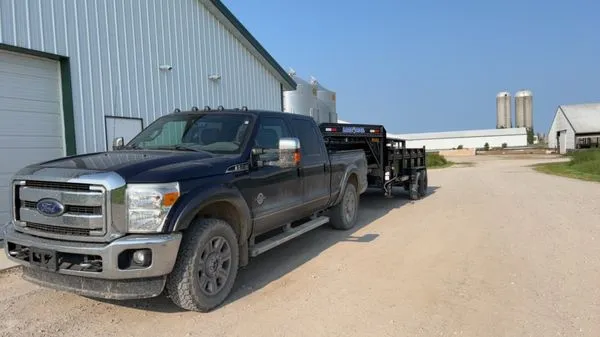
D&D Landscaping is your local Whittemore, MI partner for creating and maintaining beautiful, healthy outdoor spaces. We understand the common local challenges of weed infestation and overgrown shrubs,...
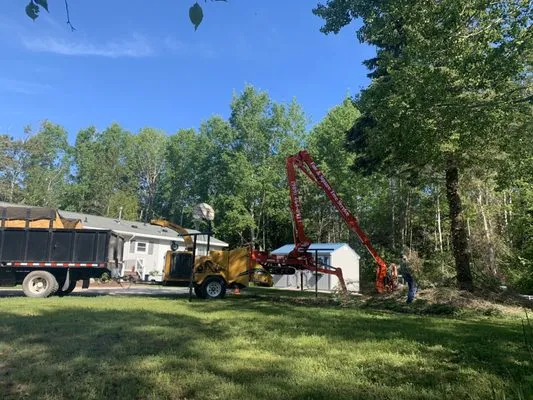
Fair & Square Lawn Care And Tree Service
Fair & Square Lawn Care And Tree Service began with a simple, powerful idea: to build a better life through hard work and helping neighbors. Founder [Name] started by clearing driveways with a snowblo...

MowNPro is your trusted, year-round outdoor service provider in Harrisville, MI. We understand the unique challenges local homeowners face, from persistent lawn fungus and disease to overgrown shrubs ...

Claddagh Services is a family-owned and operated lawn care and snow removal business deeply rooted in the Harrisville community. Owners who have called this area home for many years, we understand the...

Spud's Stump Removal is a Johannesburg-based tree and lawn care service dedicated to helping local homeowners maintain healthy, beautiful outdoor spaces. We specialize in comprehensive tree services i...
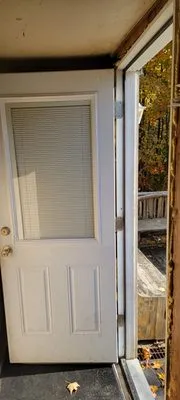
P and F Services is a licensed and insured family-owned business in Gaylord, MI, with deep roots in handyman, landscaping, and roofing work. Founded by someone who grew up doing this type of work, the...
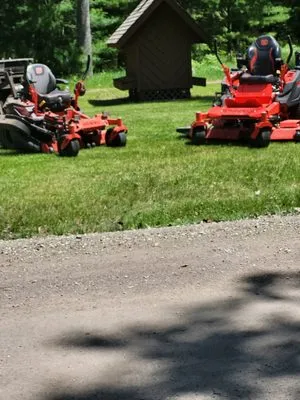
Lawn Rangers is your trusted, local lawn care expert serving Lincoln, MI. We understand that many homes in our community face common landscaping challenges like persistent weed infestations and frustr...

Nirvana Lawn Care is your trusted Lincoln, MI, partner for creating and maintaining beautiful outdoor spaces. We understand the local challenges, like bare lawn patches and damaged landscape edging, w...
Logan Coplin, the owner and operator of Brick & Boulder Landscaping in Oscoda, is committed to transforming local properties with thoughtful, durable designs. With five years of dedicated experience, ...
Estimated Landscaping Service Costs in Sanborn, MI
FAQs
We want to regrade part of our 0.35-acre lot to fix drainage. What permits and contractor credentials are needed?
Regrading that alters water flow typically requires a permit from the Alcona County Building & Zoning Department. For work of this scale, it is critical to hire a contractor licensed by the Michigan Department of Licensing and Regulatory Affairs (LARA). A LARA license ensures the professional carries the required insurance and understands state codes, which is essential for protecting your property value and ensuring the work is performed to code on a lot of this size.
Is a permeable paver patio more durable and sensible than a traditional wood deck for our area?
For long-term durability and lower lifecycle maintenance, permeable concrete pavers are a superior choice. They are not subject to rot, insect damage, or the frequent sealing required by wood. Their permeability also manages stormwater on-site. From a safety perspective, their non-combustible nature contributes positively to creating the defensible space recommended for communities with a Moderate Firewise rating.
Our 1980s Sanborn Historic District yard has thin, patchy grass. Will adding more fertilizer fix it?
Fertilizer is not the primary solution for lots from the 1980s. Soils in this age range have reached a 45-year maturity point where compaction from decades of standard maintenance is the core issue. The prevalent sandy loam has likely lost organic matter, reducing its water-holding capacity and soil percolation. Core aeration followed by amending with compost, not just fertilizer, is required to rebuild soil structure and support healthy turf roots.
How can we keep our Kentucky Bluegrass lawn green during summer without wasting water?
Modern Wi-Fi ET-based weather-sensing irrigation systems are calibrated for Sanborn's voluntary conservation stage. These controllers automatically adjust watering schedules based on real-time evapotranspiration data, adding water only when the atmosphere demands it. This precise method maintains turf health while reducing overall water use by 20-30% compared to traditional timers, aligning with municipal water stewardship goals.
Our backyard stays soggy and develops frost heaves in spring. What's the cause and a lasting fix?
This is a classic symptom of the seasonal high water table interacting with your property's sandy loam soil, which has limited permeability when compacted. Installing a French drain system to redirect subsurface water is the fundamental solution. For any new patios or walkways, specifying permeable concrete pavers will increase ground infiltration and can help meet Alcona County runoff management standards for improved site drainage.
Our HOA issued a violation notice for overgrowth. How quickly can a crew address this?
An emergency compliance crew can typically be dispatched within a business day. The standard route from our staging area near Sanborn Memorial Park uses M-65 for efficient access to the Historic District. Accounting for local traffic, we project a site arrival within the 35-50 minute window for priority calls, with work completed within the same day to meet your HOA deadline.
We're tired of weekly mowing and gas blower noise. Are there quieter, lower-maintenance options?
Transitioning to a climate-adaptive landscape centered on Michigan natives like Purple Coneflower, Butterfly Milkweed, and Little Bluestem dramatically reduces maintenance. Once established, these plants require no mowing, minimal watering, and support local pollinators. This shift also future-proofs your property against evolving noise ordinances that restrict gas-powered equipment, allowing for quieter electric maintenance.
We see invasive Buckthorn spreading from a wooded lot edge. How should we handle it?
Buckthorn is a high-priority invasive that outcompetes native vegetation. Effective control requires mechanical removal of the entire root system, followed by careful application of an approved herbicide to the stump to prevent resprouting. All treatment must comply with the Michigan NREPA (Part 85), which regulates fertilizer and pesticide use to protect water resources; a licensed professional will ensure proper timing and application methods.
