Top Landscaping Services in Saint Johns, MI, 48879 | Compare & Call
There are 63 landscaping companies server in Saint Johns MI
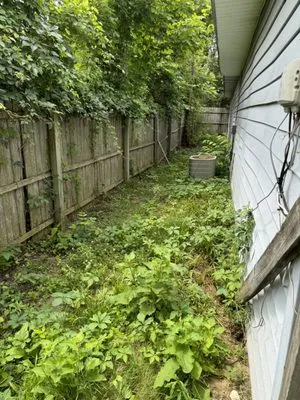
Randy’s Lawn Care is a locally owned and operated lawn service business in Saint Johns, MI, founded by Randy who brings four years of hands-on experience to every job. Specializing in comprehensive la...
Abram United Enterprises has been a trusted home service provider in the Lansing community for over 15 years. We specialize in lawn care, painting, and home cleaning services, offering reliable and af...

JNH Land Services is a trusted, full-service landscaping and snow removal company serving Eaton Rapids, MI. We specialize in comprehensive property care, from routine lawn maintenance and shrub manage...
Fred's Lawn Care and Handyman, based right here in Holt, has been a trusted local service since 2010. Fred started his business out of a genuine love for the work—the exercise of being outdoors, the s...

HD Property Services is a trusted, locally-owned handyman and property maintenance company founded and operated in Ionia, MI by a former law enforcement officer and father of three. The business was s...
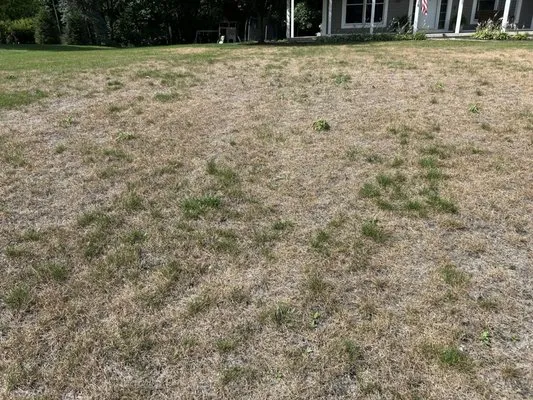
Custom Personalized Lawn Care has been a trusted, family-owned provider of comprehensive lawn and pest control services in Flint and Mid-Michigan since 1988. With over three decades of local experienc...
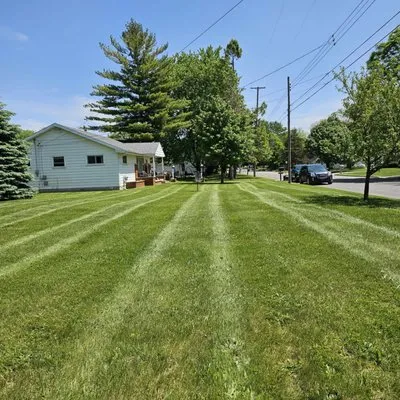
Oldhams Lawncare is a dedicated husband-and-wife team serving Owosso since 2021. What began as occasional side jobs with a single push mower has grown into a trusted local business offering comprehens...
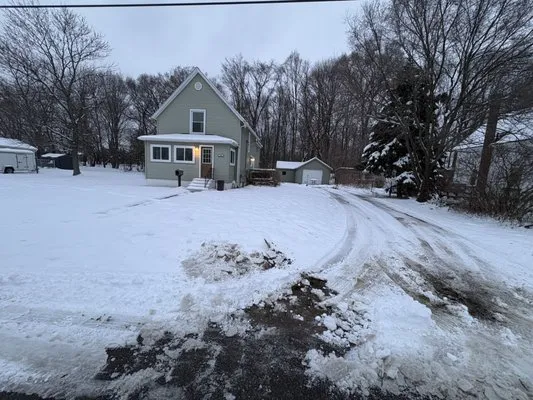
Montcalm Landscapers LLC is a family-owned lawn care and snow removal service based in Carson City, Michigan. We serve Montcalm and surrounding counties, building trust through reliable, high-quality ...

Grass Guard is a locally owned and operated lawn care service in Haslett, MI, dedicated to providing reliable and straightforward lawn maintenance for residents. Founded and run by Kyle, this business...
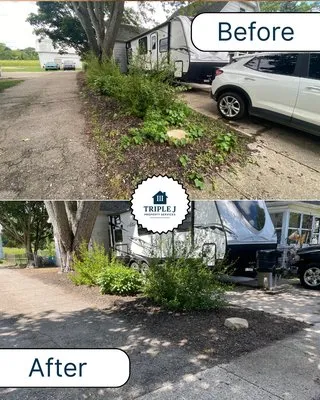
Triple J Property Services is a trusted local business in Mulliken, MI, specializing in landscaping and property management. We help homeowners and property owners maintain their outdoor spaces with p...
Estimated Landscaping Service Costs in Saint Johns, MI
Questions and Answers
Why does my lawn in the Central Business District feel compacted and struggle to grow?
Homes built around 1968, like many in this neighborhood, sit on established Loamy Glacial Till. Over 58 years of foot traffic and mowing, this soil has become highly compacted, restricting root growth and water percolation. The native pH of 6.8-7.2 is suitable, but compaction starves the soil of oxygen. Annual core aeration and top-dressing with compost are critical to rebuild soil structure and support a healthy turfgrass root zone.
I'm tired of weekly mowing. Are there lower-maintenance, eco-friendly options?
Absolutely. Transitioning high-input turf areas to a native plant community using species like Purple Coneflower, Butterfly Milkweed, and Little Bluestem is a forward-thinking strategy. These deep-rooted perennials require no mowing, minimal water once established, and provide superior habitat. This shift also aligns with evolving municipal trends, reducing reliance on gasoline mowers and blowers ahead of potential tighter noise ordinance enforcement.
My yard has persistent wet spots after rain. What's a long-term fix?
Seasonal ponding is common here due to high clay content in the glacial till, which slows permeability. A core solution is replacing impermeable surfaces with permeable concrete pavers or crushed limestone for patios and paths. These materials allow stormwater to infiltrate, reducing runoff. For severe cases, installing a French drain system may be necessary, and such grading work often requires review by the City of Saint Johns Building & Planning Department for compliance with runoff standards.
Are concrete pavers a better choice than wood for a new patio?
For longevity and low maintenance in our climate, concrete pavers are superior to wood. They resist frost heave, do not rot, and have a lifespan decades longer than timber. While Saint Johns has a low Fire Wise rating, using non-combustible materials like pavers or crushed limestone contributes to defensible space. Their permeability also aids in managing the site's drainage, an important design consideration.
What invasive species should I watch for, and how do I manage them responsibly?
Common invasive alerts in Zone 5b include garlic mustard and spotted knapweed. Manual removal before seed set is most effective. For persistent issues, targeted, spot-applied glyphosate in fall can be used when natives are dormant. Crucially, any fertilizer application must comply with Michigan's statewide Phosphorus Ban; a soil test is legally required before using any product containing phosphorus on an established lawn.
Why is proper licensing important for landscaping and grading work on my property?
Significant alterations to land, especially on a 0.22-acre lot, involve legal and environmental responsibility. The City of Saint Johns Building & Planning Department may require permits for grading, drainage, and hardscape projects to ensure code compliance. Contractors must be licensed through the Michigan Department of Licensing and Regulatory Affairs (LARA), which verifies insurance and competency. This protects you from liability and ensures the work meets structural and environmental standards.
How quickly can you respond for an emergency storm cleanup to meet HOA compliance?
For urgent HOA compliance issues, our electric fleet can dispatch from the Clinton County Courthouse area. Using US-127, we can typically reach most Saint Johns addresses within the 20-30 minute peak storm response window. This efficiency, coupled with equipment meeting the 7 AM - 9 PM noise ordinance, allows for rapid debris removal and restoration of property safety and appearance.
How can I keep my Kentucky Bluegrass lawn healthy during summer without wasting water?
Saint Johns is in Stage 0 voluntary conservation, making efficient water use essential. Installing Smart Wi-Fi Soil Moisture Sensor Controllers is the optimal solution. These systems irrigate based on actual evapotranspiration (ET) and soil conditions, not a fixed schedule. This prevents overwatering, mitigates seasonal ponding risks in clay soils, and maintains turf health within municipal guidelines, often reducing usage by 20-30%.
