Top Landscaping Services in Saint Clair, MI, 48079 | Compare & Call
There are 80 landscaping companies server in Saint Clair MI

Total Service LLC is a family-owned Saint Clair landscaping and snow removal business, owned and operated by Louie. With a hands-on approach and a focus on perfect presentation, Louie ensures every pr...

Dan's Outdoor Care Services (DOCS) is a locally-owned and operated business in Kimball, Michigan, dedicated to helping homeowners maintain beautiful and functional outdoor spaces. Founded by Dan, the ...
Cut-N-Trim Lawn-N-Landscape is your trusted local landscaping partner serving Saint Clair, MI. We understand the common challenges homeowners face, such as tree roots damaging lawns and compacted soil...
Williams Lawn Service is a locally owned and operated business in Marysville, MI, dedicated to providing reliable and affordable lawn care. Founded on the principle of treating every customer like fam...

Weed Man Port Huron has been a trusted local provider of professional lawn care and pest management for 40 years. As a dedicated member of the team, I focus on delivering personalized, environmentally...
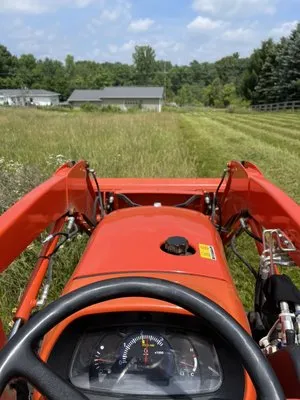
Titan Tractor Works is your trusted, local partner for comprehensive landscaping solutions in Romeo, MI, and the surrounding areas. We understand that local homeowners often face challenges with yard ...
For over 35 years, Kevin's Lawn Care & Snow Removal has been a trusted name for outdoor maintenance in St Clair, Michigan. We specialize in transforming and caring for residential and commercial prope...
Bremerkamp's Landscaping is a trusted local landscaping company serving East China, MI. We specialize in diagnosing and resolving common local landscaping challenges, including irrigation timer failur...
For over 25 years, Gordon & Sons has been a trusted, family-operated provider of tree care and landscaping services for Clay Township, Michigan. As a fully insured local business, we handle everything...
Lanzi Lawn Care is your trusted, locally-owned partner for year-round property care in St Clair, MI. We specialize in comprehensive lawn care and reliable snow removal to keep your home safe and beaut...
Estimated Landscaping Service Costs in Saint Clair, MI
Question Answers
We want to regrade our backyard for better drainage. What permits and contractor qualifications are needed?
Regrading a 0.22-acre lot often requires a permit from the City of Saint Clair Planning & Building Department, especially if altering water flow patterns or adding significant fill. The contractor must hold appropriate licensing through the Michigan Department of Licensing and Regulatory Affairs (LARA). This ensures they carry the required insurance and possess the expertise to execute the plan without causing off-site drainage issues or violating local codes.
Are concrete pavers a better long-term choice than wood for a new patio?
For longevity and minimal maintenance in Saint Clair's climate, concrete pavers are superior. They resist frost heave better than wood when installed with a proper permeable base, and they do not rot, warp, or require chemical treatments. Given the area's low Fire Wise rating, pavers also provide a non-combustible defensible space immediately adjacent to the home, a prudent consideration for any hardscape material selection.
We've spotted invasive Garlic Mustard. How do we treat it without using banned fertilizers?
Garlic Mustard is a high-priority invader that outcompetes natives. Safe removal involves hand-pulling before seed set in spring, ensuring the entire taproot is extracted. For larger infestations, a targeted cut-stump application of an approved glyphosate in late fall is effective. Critically, all methods comply with Michigan's statewide phosphorus ban; we use no lawn fertilizers in naturalized beds, only organic compost to bolster desired plant competition.
How can we keep our Kentucky Bluegrass lawn healthy during summer while respecting water conservation?
Under Saint Clair's Level 1 voluntary conservation, precise watering is key. A Wi-Fi ET-based irrigation system is essential; it automatically adjusts schedules using real-time weather data to replace only the water lost to evapotranspiration. This technology prevents overwatering, encourages deeper root growth in sandy loam, and keeps your turf blend healthy while staying well within municipal water use expectations.
Our yard stays soggy and we see frost heave damage on paths. What's a lasting solution?
A high seasonal water table combined with clay content creates chronic saturation and frost heave. The fix involves improving subsurface drainage and surface permeability. We recommend replacing solid concrete with permeable concrete pavers or crushed limestone for patios and paths. These materials allow infiltration, reduce runoff, and meet City of Saint Clair Planning standards for stormwater management, while providing a stable surface less prone to heaving.
We have storm damage and need an emergency cleanup to meet HOA rules. How quickly can a crew arrive?
For emergency compliance work, our dispatch from Palmer Park via M-29 to I-94 allows a consistent 20-30 minute arrival to the Riverside District, even during peak periods. Crews are equipped with electric chippers and hauling vehicles to begin immediate debris management, focusing on clearing driveways and public right-of-ways first to restore safety and meet covenant deadlines.
We're tired of weekly mowing and gas blower noise. Is there a lower-maintenance, quieter alternative?
Yes. Transitioning perimeter areas to a native plant community using species like Purple Coneflower, Butterfly Milkweed, and Little Bluestem drastically reduces mowing and eliminates leaf-blowing. These deep-rooted perennials thrive in our Zone 6a climate and sandy loam, require no fertilization, and support local biodiversity. This shift future-proofs your property against tightening noise ordinances targeting gas-powered equipment.
Our lawn seems thin and compacted. What's the underlying soil issue here in the Riverside District?
Homes built around 1982, like many in Saint Clair, have soils that are now 44 years mature. Original construction practices typically stripped topsoil and compacted the sandy loam and clay subsoil. This compaction severely reduces soil percolation and root penetration, explaining thin turf. The solution is not more fertilizer, but core aeration and amendments of compost to rebuild soil structure and biology.
