Top Landscaping Services in Rockford, MI, 49341 | Compare & Call

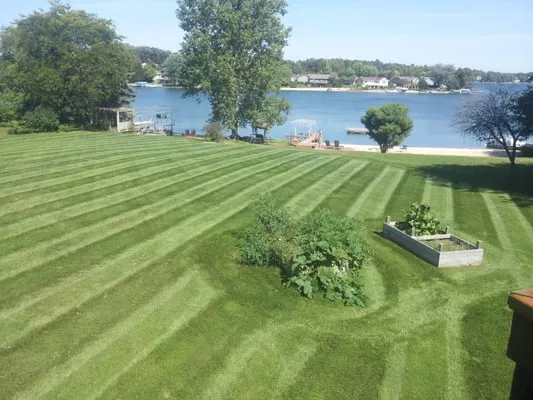
Rockford Lawn and Landscape is a trusted local landscaping company serving Rockford, MI, with comprehensive services to enhance and maintain outdoor spaces. Specializing in irrigation construction and...

Curb Appeal Lawn Care is a Rockford-based, family-owned landscaping company that has grown from a single push mower in 2015 to a fully equipped, professional service. Our focus is on delivering reliab...

JVS Lawn Care is Rockford's trusted partner for a healthy, vibrant lawn. We understand the local challenges, particularly persistent weed infestations and the hassle of sprinkler leaks that can waste ...
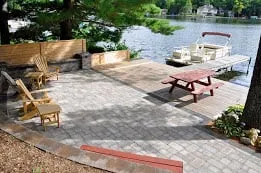
Cutting Edge Hardscapes is a licensed residential builder based in Rockford, MI, serving Kent County since 2010. With over two decades of combined experience in construction and hardscaping, we specia...
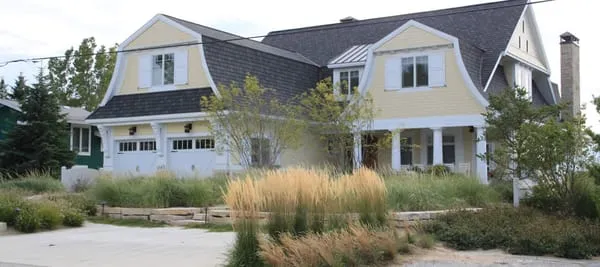
Rivertown Landscapes
Rivertown Landscapes is a Rockford-based landscape design and build firm founded in 2003 by Mike Mlnarik. With a career in landscape design and installation spanning back to 1983, Mike brings deep exp...

Greenscape Landscaping Inc has been enhancing outdoor spaces in Rockford, MI, and West Michigan since 1989. With over 23 years of experience, owner Jeff Tobias brings creative landscape solutions to r...

Impact Property Preservation is a Rockford-based service provider dedicated to keeping local homes beautiful and functional year-round. We help homeowners tackle common landscaping challenges like per...
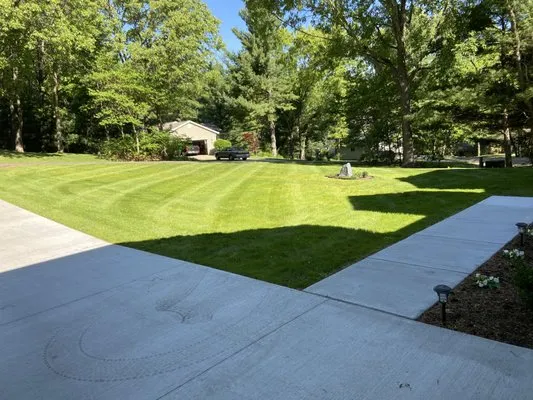
Greenop's Lawn & Landscapes is your dedicated neighbor in Rockford, MI, specializing in diagnosing and treating the specific lawn health challenges our local climate presents. We understand the frustr...
Timberline Landscaping & Management
Timberline Landscaping & Management is a Rockford-based company with over a decade of experience serving the local community. Founded by a dedicated professional who genuinely enjoys working outdoors ...
Precision Landscape is a trusted local landscaping company serving Rockford, MI, dedicated to maintaining beautiful and healthy outdoor spaces for homeowners and businesses. We specialize in addressin...
Common Questions
Why is proper licensing so important for regrading my 0.25-acre lot?
Regrading alters water flow and can impact neighboring properties and stormwater systems. In Michigan, this work requires a licensed Residential Builder or Maintenance & Alteration Contractor through LARA. The Rockford City Planning & Zoning Department will also require a permit to ensure the plan meets erosion control and drainage ordinances. Using an unlicensed entity risks improper execution, code violations, and significant liability for downstream drainage issues.
How can I keep my Kentucky Bluegrass lawn healthy if water restrictions are enacted?
Smart Wi-Fi ET-based irrigation is the critical technology. It adjusts watering schedules daily based on local evapotranspiration data, soil moisture, and forecasted rainfall, applying water only when and where the turf needs it. This system can maintain your grass mix with up to 30% less water than traditional timers, keeping you in compliance with any future Stage 1 or 2 restrictions from the City of Rockford while preserving turf health.
My lawn soil in Downtown Rockford seems compacted and thin. What's the long-term fix?
Homes built around 1991, like many here, have soils approximately 35 years old. In our sandy loam, repeated foot traffic and mowing compact the topsoil, reducing permeability and organic matter. The solution is not just top-dressing but deep-till core aeration, which fractures compaction and allows for integrating 2-3 inches of compost. This process builds a mature, resilient soil profile that supports deeper root growth and improves water infiltration against our seasonal high water table.
My yard has soggy areas each spring. What's a durable solution that also looks good?
The moderate seasonal high water table in Rockford's sandy loam often leads to surface saturation. A functional and aesthetic solution involves replacing problem areas with permeable pavers or a dry creek bed built with natural fieldstone. These materials allow stormwater to infiltrate the soil on-site, meeting Rockford City Planning & Zoning Department runoff management standards. Properly installed with a gravel base, they provide a permanent drainage path.
I want to reduce mowing and gas equipment noise. What are my options?
Transitioning high-maintenance turf areas to a native plant community is the most effective strategy. Species like Butterfly Milkweed, Little Bluestem, and Purple Coneflower are adapted to Zone 6a and require no mowing, minimal water, and support local pollinators. This shift aligns with evolving noise ordinances targeting gas-powered blowers and mowers, allowing for a quiet, electric-maintained landscape that exceeds 2026 biodiversity expectations.
I've spotted invasive Garlic Mustard. How do I treat it without harming my garden?
Garlic Mustard is a high-priority invasive that must be pulled before it sets seed in late spring. For established patches, a targeted foliar application of a glyphosate-based herbicide in early spring or late fall is effective. Crucially, any treatment must comply with the Michigan NREPA phosphorus restrictions; ensure your chosen product contains no phosphorus and is applied outside of any potential local blackout dates to protect the Rogue River watershed.
If a storm downs a large limb, what's your emergency response time for HOA compliance cleanup?
For an emergency cleanup requiring immediate action, our dispatch from the Rockford Dam Overlook area uses US-131 for direct access to Downtown Rockford neighborhoods. Accounting for peak traffic conditions, we maintain a 20-30 minute target response window. Crews arrive with electric chippers and hauling equipment, operating within the local noise ordinance hours of 8:00 AM to 8:00 PM, to secure the site and remove debris promptly.
Are concrete pavers a better long-term choice than wood for a new patio?
For longevity and reduced maintenance, concrete pavers and natural fieldstone are superior to wood. They do not rot, warp, or attract pests, and their lifespan is measured in decades. In the context of Michigan's low Fire Wise rating, these non-combustible materials also contribute to defensible space immediately around the home. Their permeability, when installed correctly, further manages runoff, making them a resilient, multi-benefit investment.
