Top Landscaping Services in Rock River Township, MI, 49806 | Compare & Call

There are 22 landscaping companies server in Rock River Township MI

Busy Boys Home Solutions is a Marquette-based company founded by three Northern Michigan University student-athletes who combine their experience in landscaping, painting, construction, and maintenanc...
Rooted in Marquette since 1988, Nagelkirk Gardens is a local, family-owned business that brings deep horticultural knowledge and practical design to every project. Founded by Steve Nagelkirk, whose jo...
Outdoor Aesthetics Lawncare and Landscaping has been a trusted Marquette, MI provider since 2006, offering comprehensive outdoor maintenance solutions. As a locally owned business, we specialize in la...
Yooper Yards provides Marquette homeowners with environmentally-conscious lawn care grounded in local expertise. We understand the unique challenges of the Upper Peninsula's climate, from persistent w...
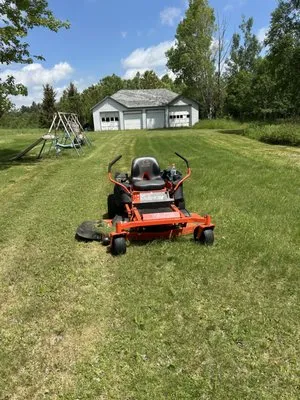
Nylander Lawn Care provides essential lawn services for homeowners in Ishpeming, MI. We specialize in routine lawn care to maintain healthy, vibrant grass, but our expertise is particularly valuable f...
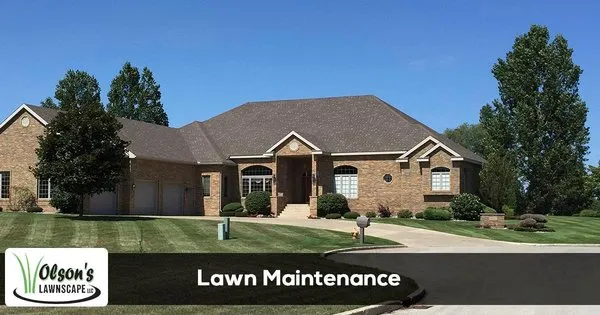
Olson's Lawnscape is Marquette, MI's trusted partner for year-round property care. We help local homeowners tackle common Upper Peninsula challenges like overgrown shrubs and failing irrigation timers...
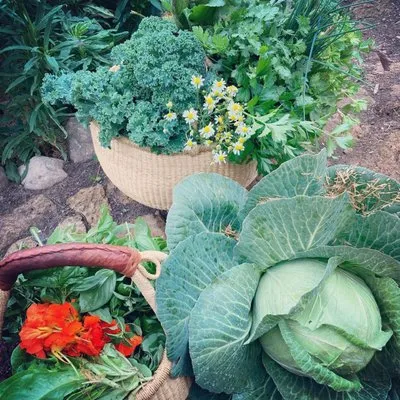
Wildwood Gardening is Marquette's trusted partner for transforming challenging landscapes into beautiful, resilient outdoor spaces. We understand the unique struggles of local homeowners, such as dead...

Superior Land Prep and Snow Removal
For over two decades, Superior Land Prep and Snow Removal has been the trusted local choice for Negaunee homeowners. Our foundation is built on 24 years of construction and landscaping experience, whi...

Nnw Tree Service is your trusted, local tree and landscaping expert serving Harvey, MI, and the surrounding communities. We understand the specific challenges homeowners face in our area, from landsca...
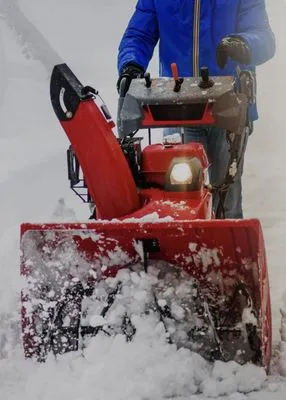
Blue Oasis Lawn is your trusted Rapid River partner for year-round outdoor maintenance, specializing in snow removal, lawn care, and gutter services. We understand the unique challenges local homeowne...
Estimated Landscaping Service Costs in Rock River Township, MI
Frequently Asked Questions
How do we address persistent wet spots in our yard?
Seasonal saturation in acidic Spodosol soils requires graded swales directing water away from foundations. Permeable local fieldstone and crushed granite installations meet Alger County Building Department runoff standards while improving soil structure. For severe cases, French drains with clean stone aggregate increase percolation rates. These solutions reduce standing water that promotes moss and fungal issues in shaded areas.
What permits are needed for major landscape renovations?
Grading work on 2.5-acre lots requires Alger County Building Department permits for earth moving exceeding 50 cubic yards. Michigan Department of Licensing and Regulatory Affairs mandates licensed professionals for irrigation system installation and structural retaining walls over 4 feet. Erosion control plans must demonstrate compliance with Part 85 fertilizer ordinances, particularly near water features. Unpermitted modifications can trigger drainage violation notices from township inspectors.
How quickly can you respond to storm damage for HOA compliance?
Emergency cleanup dispatch from Rock River Township Hall via M-28 typically requires 45-60 minutes during peak conditions. Our electric maintenance fleet operates within standard noise limits (10 PM-7 AM quiet hours) while clearing fallen branches and debris. For time-sensitive compliance issues, we prioritize routes avoiding seasonal saturation areas. Documentation includes before/after photos meeting township visual standards.
Why does my lawn struggle despite regular care in Rock River Township?
Properties in Rock River Township Rural Residential built around 1978 have acidic Spodosol soil that has matured for 48 years, developing compacted layers with pH 5.0-5.5. This acidity limits nutrient availability for Kentucky Bluegrass and Fine Fescue blends. Core aeration every 2-3 years improves soil percolation, while incorporating organic compost raises pH toward neutral. Without these amendments, turfgrass roots remain shallow and vulnerable to seasonal saturation from our high water table.
Which hardscape materials work best for fire-resistant landscaping?
Local fieldstone and crushed granite provide superior fire resistance compared to wood, with non-combustible properties supporting Moderate Wildland-Urban Interface ratings. These materials maintain structural integrity during seasonal temperature fluctuations while creating defensible space around structures. Their permeability reduces runoff compared to concrete, and proper installation includes 5-foot clearance zones from combustible materials as recommended for high-risk areas.
Can we reduce mowing while maintaining property value?
Replacing high-maintenance turf with native plantings like Common Milkweed, Wild Bergamot, Canada Anemone, and Big Bluestem creates biodiverse landscapes requiring minimal care. These species thrive in acidic Spodosol without irrigation, supporting pollinators while reducing fuel consumption. Electric equipment operates quietly within noise ordinance parameters, and established natives provide natural erosion control on 2.5-acre properties.
What's the most efficient watering method for Rock River Township lawns?
Despite abundant seasonal rainfall, manual hose-end or drip irrigation preserves turf health during dry spells. Kentucky Bluegrass requires 1-1.5 inches weekly, best delivered through early morning drip systems that minimize evaporation. We calculate ET-based schedules using local precipitation data, ensuring supplemental watering stays below 30% of total hydration needs. This approach maintains turf density while respecting municipal water infrastructure.
What invasive species threaten Rock River Township landscapes?
Japanese knotweed and garlic mustard present the highest risks, spreading rapidly in disturbed acidic soils. Treatment involves manual removal before seed set, followed by targeted glyphosate applications during fall active growth periods. All chemical applications comply with Michigan Natural Resources and Environmental Protection Act (Part 85) blackout dates and buffer zones. Monitoring for regrowth continues for three growing seasons to ensure complete eradication.
