Top Landscaping Services in Rochester Hills, MI, 48306 | Compare & Call
There are 187 landscaping companies server in Rochester Hills MI

CB Landscaping Services is a trusted Rochester Hills, MI-based company specializing in lawn care and gardening solutions tailored to the local climate and soil conditions. We help homeowners address c...
McGregor Services is a trusted local provider in Rochester, MI, specializing in tree services, gutter services, and landscaping. We help Rochester homeowners maintain beautiful, functional outdoor spa...
A's Outdoor Services in Rochester Hills, MI, specializes in lawn and gutter services to address common local landscaping challenges. Many homes in our area face issues like poor lawn grading and yard ...
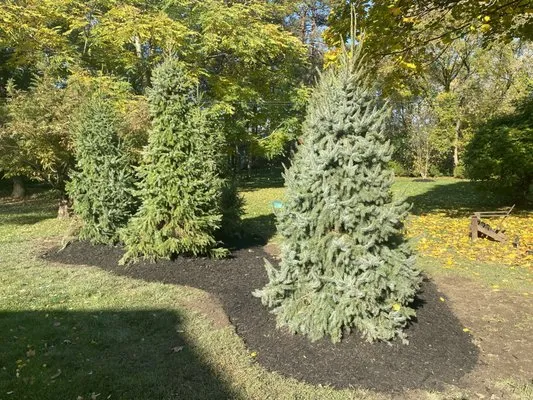
Nielsen Pro is a veteran-owned lawn care and landscape maintenance company serving Rochester Hills and surrounding Oakland and Macomb County communities since 1999. With over 24 years of local experie...
Mowtown Lawn Services is your trusted, local lawn care provider in Rochester Hills, MI. We specialize in the precise, consistent care needed to combat the common local challenges of weed infestation a...
Advanced Landscapes is a trusted Rochester Hills, MI landscaping company dedicated to enhancing local outdoor spaces. We specialize in addressing common regional challenges like sprinkler leaks and pa...

C2B Outdoor Services is a locally owned and operated landscaping, masonry, and snow removal company serving Bloomfield Hills and Oakland County. We build lasting relationships with our community by pr...

S L Landscaping is a trusted, locally-owned landscaping company serving Pontiac, MI. We understand the unique challenges homeowners face in our area, from uneven sprinkler coverage that leaves dry pat...
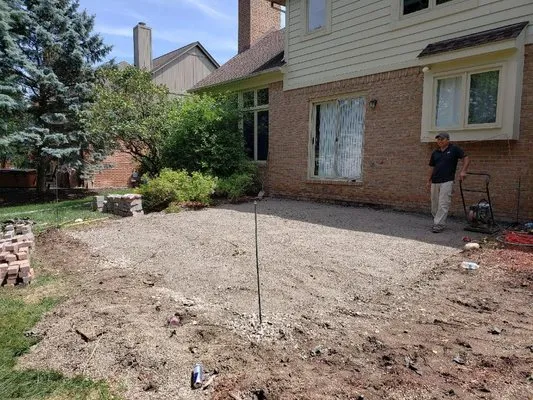
College Care Landscaping is a Rochester Hills-based family business founded in 2015 by Cody Kenney. What started as an effort to create jobs and scholarships for college students has grown into a trus...
Oakland Oaks Landscaping is a trusted, locally-owned landscaping company serving Rochester Hills, MI. We specialize in addressing common local challenges like tree root damage that creates unsightly r...
Estimated Landscaping Service Costs in Rochester Hills, MI
Questions and Answers
We have persistent soggy areas in our yard each spring. What's the solution?
This indicates a seasonal high water table exacerbated by poor infiltration in clay pockets within the glacial till. Correcting this requires improving subsurface drainage. A French drain system tied to a dry well or daylight outlet is often effective. For new hardscapes, using permeable concrete pavers or open-graded crushed limestone bases can increase surface infiltration and meet Rochester Hills Planning Department requirements for stormwater management.
How quickly can you respond to an emergency storm cleanup to meet HOA compliance deadlines?
Our standard emergency response from a staging area near Spencer Park is 20-30 minutes during peak periods, using M-59 for primary access to Avondale. We prioritize debris clearance that poses safety hazards or violates HOA covenants. Our electric fleet operates within Rochester Hills noise ordinances, allowing for early morning starts if needed to meet strict compliance timelines following a major weather event.
How do we keep our Kentucky Bluegrass lawn healthy during voluntary water conservation periods?
Smart Wi-Fi controllers with soil moisture sensors are essential. They schedule irrigation based on actual evapotranspiration (ET) and soil conditions, preventing overwatering. This system applies water only when the root zone needs it, which can reduce usage by 20-30% compared to traditional timers. Deep, infrequent watering cycles encourage deeper roots, improving the turf's drought resilience while adhering to municipal conservation goals.
What should we do about invasive species like Garlic Mustard without using harsh chemicals?
For invasive species, manual removal prior to seed set is most effective. Smothering with cardboard and mulch can control persistent patches. If a soil test confirms a phosphorus deficiency, a targeted, ordinance-compliant fertilizer may be used, but phosphorus-free products are the standard. Always dispose of invasive plant material in the trash, not compost, to prevent further spread. This integrated approach manages the problem without disrupting soil microbiology.
Our lawn in Avondale seems thin and compacted. Could the age of our property be a factor?
Properties built in the 1980s, like many in Avondale, have soils that are approximately 43 years old. The loamy glacial till common here has naturally settled, reducing pore space and permeability. Over decades, routine foot traffic and maintenance have further compacted the soil layer, limiting root growth and water infiltration. Core aeration and the addition of composted organic matter are necessary to rebuild soil structure and restore biological activity.
What permits and contractor qualifications are needed for regrading our 0.35-acre lot?
Significant regrading that alters water flow or involves retaining walls over certain heights requires a permit from the Rochester Hills Planning and Building Department. The contractor must hold appropriate licensing through the Michigan Department of Licensing and Regulatory Affairs (LARA). For a lot of this size, improper grading can impact neighboring properties and stormwater systems, making licensed, insured expertise critical for compliance and avoiding long-term liability.
Are concrete pavers a better long-term choice than wood for a new patio?
In Rochester Hills, concrete pavers offer superior longevity and lower lifetime maintenance compared to wood. They are non-combustible, contributing to defensible space in areas with a moderate Fire Wise rating. Their modular design allows for frost-heave resistance and easy repair. Unlike wood, they do not require annual sealing or deteriorate from moisture, making them a durable and practical choice for our climate and soil conditions.
Is there a lower-maintenance, eco-friendly alternative to our traditional lawn?
Yes, transitioning zones to a xeriscape with native plants like Purple Coneflower, Butterfly Weed, and Little Bluestem is a strategic choice. These plants are adapted to Zone 6a, require minimal watering once established, and provide critical habitat. This reduces mowing frequency, fuel consumption, and noise—aligning with trends toward electric equipment and stricter noise ordinances. It also creates a naturally fire-resistant landscape in line with local Wildfire Protection Plan guidelines.
