Top Landscaping Services in Richmond, MI, 48062 | Compare & Call

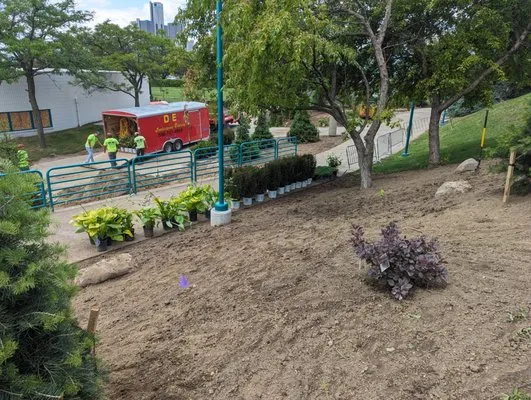
D & E Landscaping & Grading
D & E Landscaping & Grading is a trusted, locally-owned company serving Richmond, MI, and surrounding areas with over 20 years of experience. We specialize in comprehensive outdoor solutions, includin...
Greenway Landscaping serves the Richmond, MI community by focusing on creating well-maintained, healthy outdoor spaces. We believe in finding the 'Greener way' to achieve results, which means a dedica...

TradeMark Lawn And Landscape is a Richmond, MI-based company specializing in comprehensive outdoor care, including snow removal, landscaping, and masonry/concrete services. With deep roots in the loca...
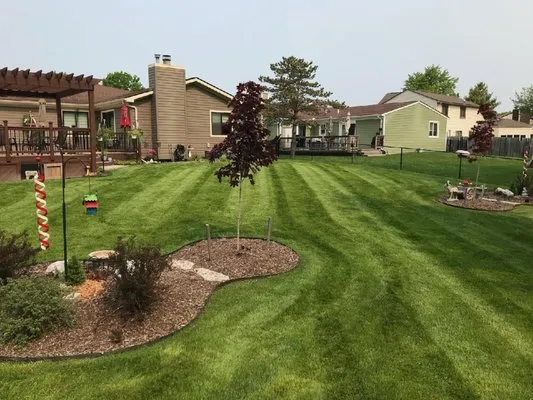
Avay Landscaping is a trusted lawn service provider serving Richmond, MI, specializing in comprehensive lawn care solutions tailored to the local climate and common yard challenges. We understand that...
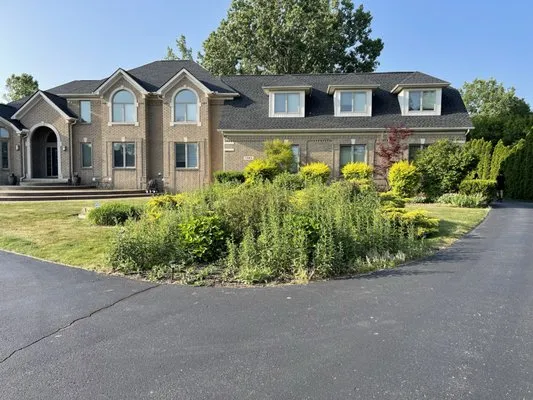
At Tatrabuilt, we’re a family-owned business that believes your smile is our greatest reward. Founded in Michigan and serving Oakland and Macomb Counties, including Richmond, we’ve built our reputatio...

Bella Vista Outdoor Living is a family-owned landscaping company serving Richmond, MI, with a comprehensive approach to transforming outdoor spaces. From the initial concept and detailed design to exp...
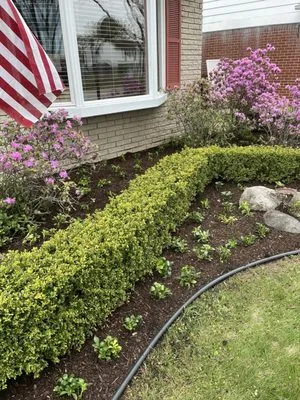
New Image Lawn and Landscape
With over three decades of combined experience, New Image Lawn and Landscape is a trusted, full-service provider for Richmond, MI, and the surrounding Macomb and Oakland County areas. We specialize in...

Mid Thumb Land Development serves the Richmond, MI community with comprehensive land management and cleanup solutions. Specializing in demolition, dumpster rental, and junk removal, they help homeowne...
Lacey Lawn Maintenance and Landscaping
Lacey Lawn Maintenance and Landscaping is your trusted, local partner for keeping your Richmond property beautiful and functional year-round. We understand common local challenges like patchy lawns an...

K2 Contracting LLC is a family-owned, full-service home improvement firm serving Richmond, MI, and the surrounding communities. With over three decades of experience, we specialize in masonry, concret...
FAQs
What solutions work for seasonal water pooling in my yard?
Seasonal high water tables in Richmond's clay loam soils require graded swales or French drain systems. Permeable concrete pavers and crushed limestone aggregate allow 30-40% more water infiltration than traditional asphalt, meeting Richmond Building Department runoff standards. These materials create stable surfaces while directing excess moisture away from foundations. For severe clay pockets, soil amendments with expanded shale improve subsurface drainage capacity.
How quickly can you respond to storm damage for HOA compliance?
Emergency cleanup crews dispatch from Beebe Street Park via I-94, maintaining a 20-30 minute peak response time to Downtown Richmond. This routing avoids residential congestion while meeting restricted noise ordinance hours of 7:00 AM to 9:00 PM. Crews prioritize safety assessments before debris removal, using electric equipment to comply with local noise regulations during extended cleanup operations.
What permits and licenses are needed for landscape grading work?
Grading on 0.25-acre Richmond lots requires Richmond Building Department permits for any elevation changes exceeding six inches. Contractors must hold Michigan LARA landscaping licensure, which verifies competency in erosion control and soil management. The permit office reviews drainage plans to ensure compliance with local runoff standards, particularly important given seasonal high water tables. Unlicensed grading can result in fines and mandatory restoration at the property owner's expense.
Should I replace high-maintenance turf with native plants?
Transitioning to Purple Coneflower, Butterfly Milkweed, and Little Bluestem reduces maintenance frequency ahead of electric equipment mandates. Native plantings require minimal irrigation once established and support local pollinator populations. This approach aligns with 2026 biodiversity standards while eliminating weekly mowing during May-October. Richmond's low fire-wise rating makes these plantings suitable for standard residential lots without creating defensible space concerns.
What invasive species threaten Richmond landscapes and how do I treat them?
Japanese knotweed and garlic mustard present primary invasive risks in USDA Zone 6a. Manual removal during early growth stages prevents seed dispersal without chemical intervention. For persistent infestations, targeted herbicide applications must avoid Michigan Fertilizer Act blackout dates, typically early spring and late fall. Always verify treatment timing with Michigan Department of Agriculture resources, as misapplication can violate Part 85 of the Natural Resources and Environmental Protection Act.
Are concrete pavers better than wood for Richmond patios?
Concrete pavers and crushed limestone aggregate offer superior longevity to wood in Michigan's freeze-thaw cycles. These materials maintain structural integrity for 25+ years with minimal maintenance, while wood requires replacement every 8-12 years. For Richmond's low fire-wise rating, non-combustible hardscapes provide inherent defensible space without additional modifications. Permeable installation methods further enhance drainage in clay loam soils common to 0.25-acre lots.
Why does my Richmond lawn have drainage issues and compacted soil?
Downtown Richmond lots built around 1982 have soil that has matured for approximately 44 years. Sandy loam to clay loam soils in this neighborhood often develop compacted layers from decades of foot traffic and standard maintenance. Clay pockets within this soil profile exhibit poor infiltration, creating seasonal water table issues. Core aeration and organic amendments like composted leaf mold improve soil structure and permeability for healthier root development.
How do I maintain Kentucky Bluegrass without violating water conservation rules?
Smart Wi-Fi controllers with ET-based scheduling optimize irrigation for Richmond's sandy loam to clay loam soils. These systems calculate evapotranspiration rates daily, adjusting runtime to deliver 1-1.5 inches weekly during peak growing seasons. This approach preserves turf health while staying within municipal water limits, as Richmond currently maintains standard conservation practices rather than formal restrictions. Proper scheduling prevents runoff in clay pockets where infiltration rates vary.
