Top Landscaping Services in Rich Township, MI, 48435 | Compare & Call
There are 111 landscaping companies server in Rich Township MI
Duo Painting & Services is a trusted painting and landscaping company based in Lexington, MI, serving Eastern Michigan with a focus on quality and customer satisfaction. With expertise in both interio...
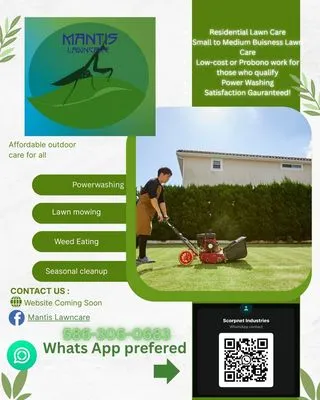
Mantis Lawncare is a dedicated, disabled-owned and operated lawn care and pressure washing service based right here in Deford, MI. What truly sets us apart is our personal commitment to our community....
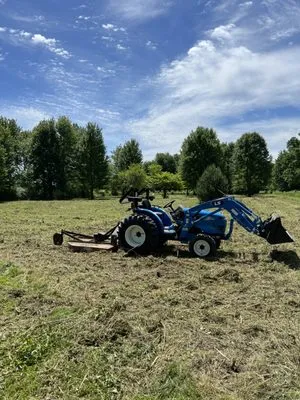
Bear Down Tractor Services is a family-owned, one-operator compact tractor service based in Emmett, MI, founded in early 2022 by owner Ben Vitale. Dedicated to finding the right solution for your prop...

For over 20 years, T-Rox Stump Grinding has been a trusted, family-owned name in Commerce Township and across southeast Michigan. Founded by Chris, the business was built on a simple belief: we can do...
Jake Ryan Landscape Group is a Union Lake-based landscaping and property care company serving Oakland County. We specialize in comprehensive outdoor solutions, from landscape design and construction t...
NewAge Lawn & Snow is a locally owned and operated service provider based in Lake Orion, Michigan, serving Orion Township and surrounding areas. We specialize in comprehensive lawn care and snow remov...
JJS Services is a Lake Orion-based handyman and property services company serving Oakland, Lapeer, Wayne, and St. Clair counties. Founded by John, who brings professional experience from working with ...
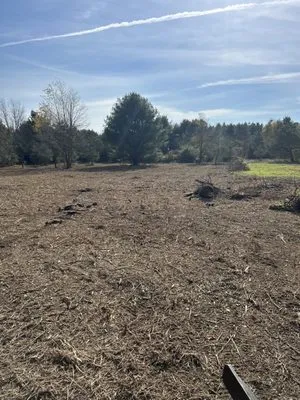
M&D Land Clearing is a licensed and insured land clearing service based in Burtchville Township, MI, specializing in forestry mulching and small tree removal. We serve Sanilac, Lapeer, and St. Clair c...
For over three generations, the Maple Falls name has been synonymous with trust and quality in China Township. Owner and operator Jordan G. founded the business in 2013, building on that family legacy...

Flynn's is a locally owned and operated service provider in Marlette, dedicated to the care and maintenance of your property throughout the seasons. With an ISA Certified Arborist on staff, we offer e...
Estimated Landscaping Service Costs in Rich Township, MI
Common Questions
We need emergency storm cleanup before an HOA inspection tomorrow. What's your fastest response time?
Our electric fleet dispatches from Rich Township Hall via M-24 within the noise ordinance window. Peak storm response requires 45-60 minutes for 2.5-acre properties in this zone. We prioritize downed limbs blocking driveways and hazardous debris piles, documenting all work for compliance reporting. The route avoids residential clusters during school hours to minimize community disruption.
Should we use wood or stone for new patio construction given wildfire concerns?
Crushed limestone with concrete pavers provides non-combustible defensible space critical for Moderate Fire Wise ratings. Unlike wood decks requiring chemical treatments, stone hardscapes maintain integrity for 25+ years with minimal maintenance. The 30-foot clearance recommendation around structures becomes achievable through strategic placement of these materials. Their thermal mass also moderates microclimate temperatures more effectively than organic alternatives during peak summer months.
We've spotted invasive garlic mustard spreading near our woodline. How do we treat it safely?
Garlic mustard removal requires hand-pulling before seed set in late April, as chemical controls face restrictions under Michigan's NREPA Part 85. Target plants during dry periods when soil disturbance won't spread root fragments. Dispose of material in black plastic bags solarizing for 8 weeks rather than composting. Monitor for Japanese knotweed and phragmites, which present similar risks in Rich Township's transitional zones between developed and natural areas.
Our Rich Township Rural Residential property has patchy grass despite regular care. Could the soil be the issue?
Properties built around 1981 in this area have 45-year-old soil profiles. Loamy glacial till with pH 6.5-7.2 becomes compacted over decades, reducing permeability to 0.5 inches per hour. Core aeration every 2-3 years introduces oxygen channels, while adding 0.25 inches of compost annually builds organic matter above 5%. This addresses the native soil's tendency to form surface crusts that limit root penetration beyond 4 inches.
What permits and qualifications should we verify before hiring for grading work on our 2.5-acre lot?
Lapeer County Building Department requires erosion control permits for any grading exceeding 1 cubic yard of soil movement. Contractors must hold Michigan LARA landscaping licensure with specific endorsements for earthwork on parcels over 1 acre. Verify insurance covers subsurface utility strikes and drainage impacts to neighboring properties. Professional soil engineers should assess compaction testing when modifying more than 10% of the lot's topography, particularly near seasonal water tables.
We're tired of weekly mowing. What low-maintenance alternatives fit our rural residential setting?
Transitioning 30-50% of turf to native plantings like Common Milkweed, Wild Bergamot, and Little Bluestem reduces mowing frequency by 60%. These deep-rooted species require no irrigation after establishment and support 2026 biodiversity targets for pollinators. Electric maintenance equipment operates within standard daytime noise ordinances while eliminating emissions. The resulting landscape provides year-round visual interest with minimal inputs beyond annual trimming.
How can we maintain our Kentucky Bluegrass and Fine Fescue mix during voluntary water conservation periods?
Smart Wi-Fi soil moisture sensors prevent overwatering by tracking evapotranspiration rates specific to Rich Township's microclimate. These controllers adjust schedules when soil moisture exceeds 50% field capacity, potentially reducing usage by 30-40%. Deep, infrequent watering at dawn encourages 8-inch root development that withstands dry spells. Municipal limits become manageable when irrigation aligns with actual plant needs rather than fixed timers.
Our yard develops standing water every spring. What solutions work with Rich Township's seasonal high water table?
Loamy glacial till's poor infiltration (0.1-0.3 inches/hour) requires graded swales directing water away from foundations. Permeable crushed limestone bases under concrete pavers achieve 80% infiltration rates, meeting Lapeer County Building Department runoff standards. French drains with clean stone aggregate provide subsurface relief, while rain gardens with native plants create natural absorption zones. These systems work synergistically during April-May peak saturation.
