Top Landscaping Services in Reading Township, MI, 49274 | Compare & Call

There are 54 landscaping companies server in Reading Township MI

Hampshire Lawn And Garden
Hampshire Lawn and Garden in Tecumseh, MI, is a family-run business built on three generations of expertise, tracing its roots back to 1948. Founded on the principles of customer care and quality serv...
C-n-J's Lawn Landscape And Property Maintenance
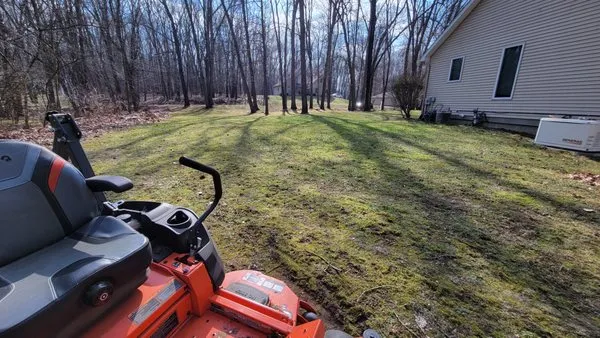
C-n-J's Lawn Landscape And Property Maintenance helps Jackson homeowners bring their outdoor visions to life. We focus on understanding your specific needs, whether you're dealing with persistent loca...
Spartan Irrigation
Serving Lansing, MI since 1976, Spartan Irrigation is a locally owned provider of reliable lawn care, irrigation, and outdoor lighting services. We focus on precision and efficiency, from designing an...
ArborLawn has been a trusted part of the Lansing community since 1976, providing balanced and effective care for your outdoor spaces. We specialize in lawn care, tree services, and irrigation, with a ...
Nature's Choice Tree Management
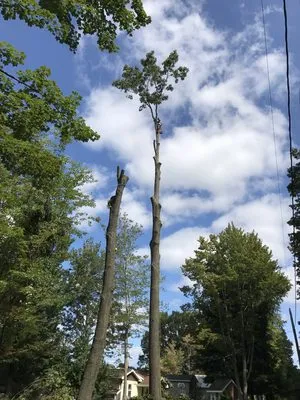
Nature's Choice Tree Management in Mount Pleasant, MI, brings two decades of hands-on tree care and landscape expertise directly to your property. Owner-operated since 1997, we started by helping our ...

Hess Tree Service & More, owned and operated by Trenton Hess, is your trusted local partner for all things tree and landscape care in Hudson, MI. We're passionate about precise tree cutting and land c...
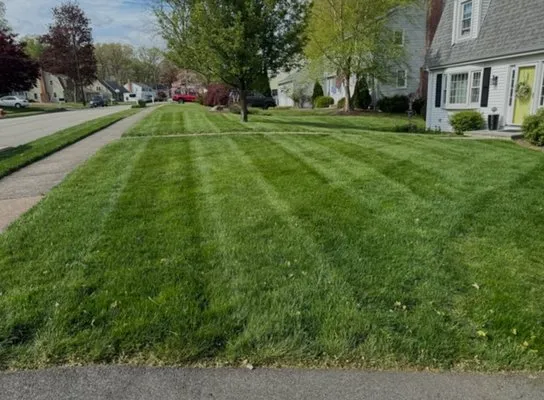
Affordable Lawn Care in Hillsdale, MI is run by Benny, who started providing lawn services four years ago at age 11. He offers straightforward, cost-effective lawn care and junk removal for local resi...
Haligus Services, based in Napoleon, MI, has been a trusted local provider of irrigation, lawn care, and pest control solutions since 1977. With over 4,000 sprinkler systems installed across Jackson, ...

Guenther Contracting is a trusted general contractor serving Jerome, MI, and surrounding areas with over three decades of building expertise. As a family-owned business, we specialize in comprehensive...
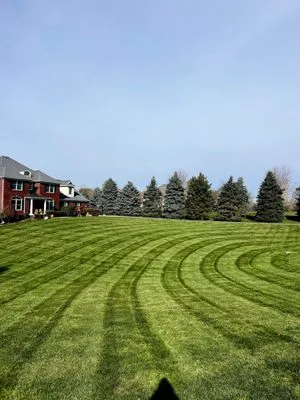
Wilson Outdoor Services is a locally owned and operated lawn care provider serving Manitou Beach, Michigan. We focus on delivering reliable, professional lawn care services at affordable rates, with a...
Estimated Landscaping Service Costs in Reading Township, MI
Q&A
What permits and licenses are needed for grading and drainage work on our 0.35-acre lot?
Grading altering more than 100 cubic yards of soil requires Hillsdale County Building & Zoning Department review for erosion control compliance. Contractors must hold Michigan LARA landscaping license #640 for earth moving operations exceeding $600. For properties under 1 acre, certified professionals must design drainage systems handling the 25-year storm event, with permits verifying infiltration rates meet current 2026 standards for loamy/sandy loam soils.
Our Reading Village Center yard seems compacted and drains poorly. What's the soil history here?
Reading Township lots built around 1981 have 45-year-old soil profiles. Over decades, foot traffic and equipment have compressed the loamy/sandy loam, reducing permeability below optimal levels. Core aeration every 2-3 years introduces oxygen channels while adding composted organic matter rebuilds soil structure. This addresses the pH 6.5-7.2 range's tendency to crust, improving water infiltration for healthier root systems.
Our yard has standing water after rains. What drainage solutions work with Reading's soil conditions?
Seasonal high water tables in loamy/sandy loam soils require graded swales directing runoff toward permeable areas. Installing crushed limestone or concrete paver systems with ¼-inch joints filled with polymeric sand creates infiltration surfaces that meet Hillsdale County Building & Zoning Department runoff standards. For severe cases, French drains wrapped in non-woven geotextile filter 18-24 inches deep intercept groundwater before it surfaces.
How do we keep our Kentucky Bluegrass/Fine Fescue blend healthy during dry spells without violating water restrictions?
Smart Wi-Fi ET-based controllers calculate evapotranspiration rates using local weather data to apply precise water volumes. These systems adjust irrigation schedules daily, delivering 0.75-1 inch weekly during peak demand while staying within voluntary conservation guidelines. This approach maintains turf health with 30-40% less water than traditional timers, particularly important for Reading's loamy soils that require deep, infrequent watering for optimal root development.
Should we use concrete pavers or wood for our new patio considering longevity and safety?
Concrete pavers offer 40+ year lifespans versus wood's 15-25 years with regular maintenance. Their non-combustible nature maintains Reading's low Firewise rating defensible space requirements without creating fuel ladders. Properly installed with 6 inches of compacted aggregate base, paver systems resist frost heave in USDA Zone 5b while providing permeability rates exceeding 8 inches per hour when joints remain unfilled with traditional sand.
We need emergency storm cleanup to meet HOA compliance by tomorrow. How quickly can you respond?
Our electric fleet operates within Reading's 7 AM to 9 PM noise ordinance for daytime dispatch. From Reading Community Park, we route via M-49 to reach Reading Village Center within 20-30 minutes during peak conditions. This allows immediate debris removal and branch clearing while maintaining compliance with residential noise restrictions throughout the operation.
We've spotted invasive plants spreading. How do we treat them without violating fertilizer regulations?
For common invasives like garlic mustard or Japanese knotweed in Reading Township, manual removal before seed set proves most effective. Spot-treat regrowth with glyphosate formulations labeled for aquatic use when temperatures remain below 85°F. These applications avoid Michigan's phosphorus restrictions on turf by targeting specific plants rather than broadcast treatments. Always complete invasive management before mid-April mulching to prevent spreading plant material through contaminated mulch.
We want to reduce mowing and gas equipment noise. What native options replace high-maintenance turf?
Transitioning to Butterfly Milkweed, Wild Bergamot, and Little Bluestem creates self-sustaining habitats requiring minimal intervention. These Michigan natives establish deep root systems that access subsoil moisture, eliminating weekly mowing from May through October. Purple Coneflower and New England Aster provide sequential blooming from June to October while supporting local pollinators, aligning with 2026 biodiversity standards and reducing reliance on gas-powered equipment subject to tightening noise ordinances.
