Top Landscaping Services in Rapid River Township, MI, 49878 | Compare & Call
There are 100 landscaping companies server in Rapid River Township MI
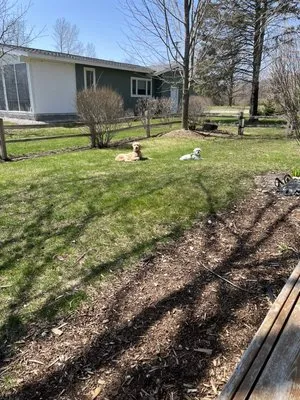
Otherside Irrigation Services is a family-owned and operated landscaping business deeply rooted in Northern Michigan, with over two decades of experience serving the Bellaire community. As certified i...
YETTi - Outdoor Services is your trusted local partner in Kingsley, MI, specializing in comprehensive outdoor solutions to keep your property looking its best year-round. We understand the common land...

Spud's Stump Removal is a Johannesburg-based tree and lawn care service dedicated to helping local homeowners maintain healthy, beautiful outdoor spaces. We specialize in comprehensive tree services i...
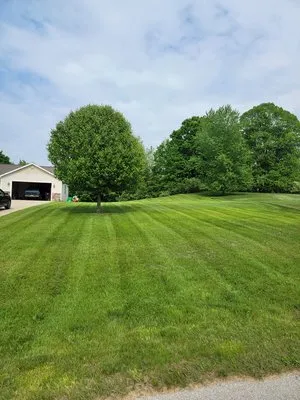
Stunning Lawn Care is a Traverse City-based lawn service dedicated to keeping local yards healthy and beautiful. Many homeowners in the area face challenges like poor yard drainage and overgrown shrub...

Land Escapes is a Traverse City-based landscaping and hardscaping company dedicated to building enduring outdoor spaces. Since 2001, founder Dave and his crew have approached every driveway, patio, re...
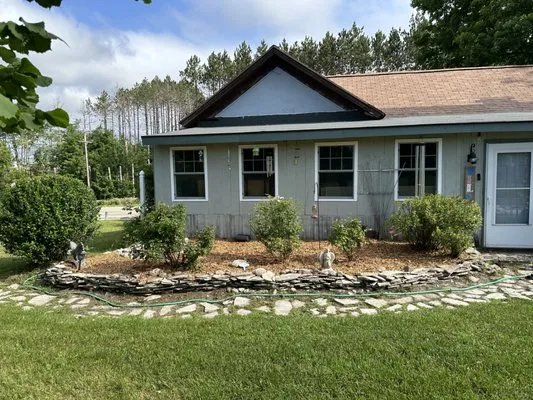
Peninsula Lawn Care Services is a locally owned and insured provider dedicated to maintaining the beauty and health of properties throughout Kalkaska, MI. We specialize in creating and sustaining gues...
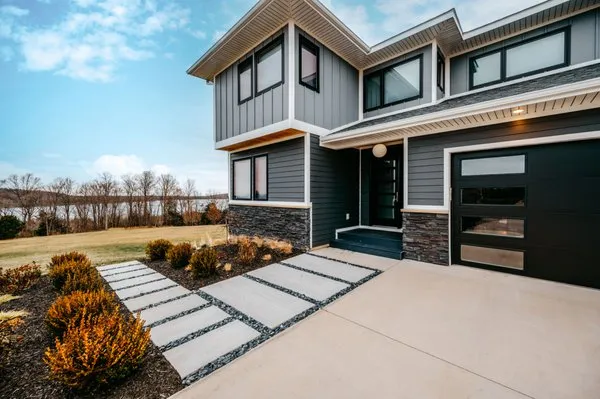
Nuñez Nursery and Landscaping is a trusted, family-owned resource for Manistee homeowners looking to create and maintain beautiful, healthy outdoor spaces. We specialize in diagnosing and solving comm...
P and F Services is a licensed and insured family-owned business in Gaylord, MI, with deep roots in handyman, landscaping, and roofing work. Founded by someone who grew up doing this type of work, the...
1st Cor Maintenance is a local lawn care and basic maintenance provider in Mancelona, MI, dedicated to serving homeowners with reliable, value-driven service. We focus on integrity, honor, courage, an...

Pro Pest & Turf Solutions is your local, state-licensed expert in Cadillac, Michigan, combining 18 years of hands-on experience in pest control and lawn care. As a truly Northern Michigan company, we ...
Estimated Landscaping Service Costs in Rapid River Township, MI
Common Questions
My yard gets soggy for weeks in spring. What's a lasting solution that meets local codes?
Seasonal saturation is common with our high water table and Sandy Loam soils. A graded swale or dry creek bed using permeable crushed limestone or local fieldstone can effectively redirect surface water. These materials meet Delta County Planning & Zoning Department standards for managing runoff by promoting infiltration. For severe cases, a French drain system may be necessary to intercept subsurface water flow.
Is crushed limestone or wood mulch better for a long-lasting pathway in our climate?
Crushed limestone or local fieldstone is superior for durability and permeability in Zone 4b. Unlike wood mulch which decomposes and requires annual replenishment, stone provides a permanent, stable surface. In areas with a Moderate Fire Wise rating, using non-combustible stone for paths and patios also contributes to defensible space by creating a firebreak, a prudent consideration in our forest-urban interface.
What permits and credentials are needed for regrading and drainage work on my 1.5-acre lot?
Significant earthmoving on a lot of this scale typically requires a permit from the Delta County Planning & Zoning Department, especially if it alters water flow patterns. The contractor must hold appropriate licensing through the Michigan Department of Licensing and Regulatory Affairs (LARA). This ensures they are bonded, insured, and knowledgeable about state sediment control and runoff regulations, protecting you from liability and substandard work.
I'm tired of constant mowing and noisy gas equipment. What's a lower-maintenance, quieter alternative?
Replacing high-input turf areas with a native plant community is a forward-looking solution. A matrix of Little Bluestem, Butterfly Milkweed, and Wild Bergamot provides year-round interest, supports 2026 biodiversity targets, and requires minimal upkeep. This transition reduces mowing frequency and eliminates the need for gas-powered blowers, aligning with noise ordinances and the shift toward electric maintenance fleets.
How quickly can a crew respond for an emergency storm cleanup to avoid HOA violations?
For urgent storm debris removal, our standard dispatch originates from the Rapid River Township Hall, utilizing US-41 for primary access. Accounting for peak traffic and debris on local roads, a dedicated crew can typically be on-site within the 45-60 minute window. This rapid response prioritizes clearing hazards and mitigating immediate compliance risks for properties in the township's central neighborhoods.
Why does my lawn in the Rapid River Township Central area seem to drain poorly yet get compacted so easily?
Properties here, developed around 1982, have soil profiles about 44 years post-disturbance. This soil is predominantly Sandy Loam/Spodosols, naturally acidic and prone to compaction from decades of foot traffic and standard maintenance. The high water table compounds drainage issues. Core aeration in early fall, coupled with top-dressing compost, is critical to improve soil percolation and build organic matter for healthier root zones.
What invasive species should I watch for, and how do I control them responsibly?
Spotted Knapweed and Garlic Mustard are prevalent invasive threats in Delta County. Manual removal before seed set is most effective. For persistent infestations, targeted spot-treatment with an EPA-registered herbicide may be necessary, but application must strictly avoid the state-mandated phosphorus blackout dates for turf and follow all label instructions to protect nearby Sugar Maples and Serviceberries.
How can I keep my Kentucky Bluegrass and Fine Fescue lawn healthy without wasting water?
Voluntary conservation is encouraged, and smart-controller drip irrigation for perennial beds is the most efficient method. For turf, an ET-based irrigation schedule is key, watering deeply but infrequently in the early morning to minimize evaporation. This approach tailors water delivery to actual plant needs and soil moisture levels, preserving the grass mix while staying well within any municipal water-use guidelines.
