Top Landscaping Services in Pulaski, MI, 49237 | Compare & Call
There are 177 landscaping companies server in Pulaski MI

Full Scope Outdoors is a Battle Creek, MI-based lawn and landscape company, locally owned and operated since 2016. We specialize in hydroseeding, an efficient method for establishing thick, healthy gr...
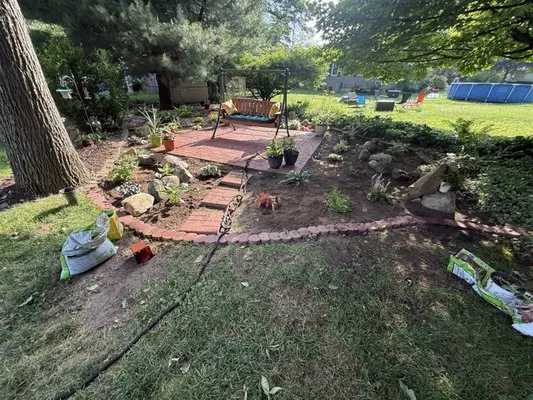
Peet Landscaping brings a lifetime of hands-on experience with the land to every job in Ceresco, MI. What started as a lifelong passion for gardening, earthwork, and landscape care is now a dedicated ...
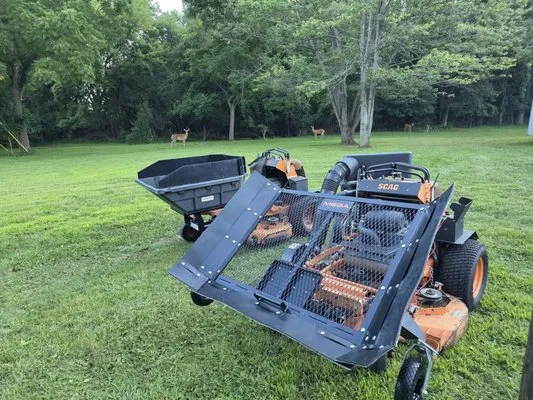
Based in Battle Creek, Parsons Pro Service is a trusted local provider focused on delivering reliable and professional home and garden care. Known for being friendly and easy to work with, the team of...
Mark Wilk Landscape is a Battle Creek-based landscaping company providing comprehensive outdoor solutions for residential and commercial properties in Southwest Michigan. Specializing in landscape des...

Battle Creek Landscape Service
Since 1986, Battle Creek Landscape Service has grown from a single truck into a trusted, full-service outdoor maintenance partner for southwest Michigan. We build lasting relationships with our commun...
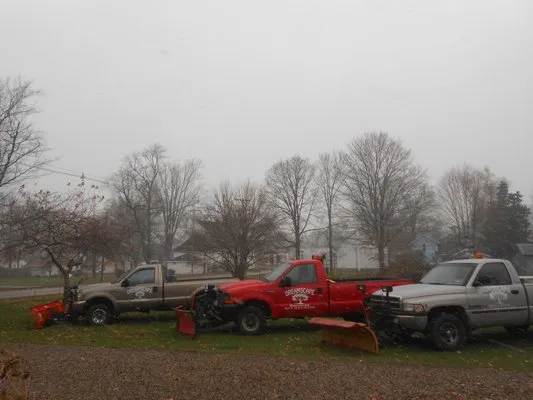
Dreamscape is a locally owned, year-round landscaping company serving Sherwood, MI, with comprehensive services for every season. We handle everything from landscape installation, including concrete f...
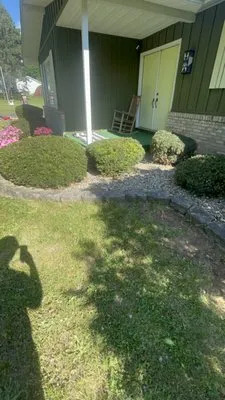
D&C All Season Lawn Care is a Homer-based landscaping business built by two local young men dedicated to providing reliable, year-round service. We focus on delivering quality lawn care, landscape mai...

J&A's Property Services is your trusted, local solution for maintaining and improving your Quincy, MI home. We offer a comprehensive range of services, including expert lawn care, professional handyma...
Bryan Miller is a trusted local landscaping professional serving the Battle Creek, MI community. He understands that local homes commonly face challenges like persistent lawn fungus diseases and wides...

Rightway Property Solutions is a family-owned and operated general contractor serving Jackson, MI, with over five years of dedicated service. Our commitment is to honest, quality work for every projec...
Estimated Landscaping Service Costs in Pulaski, MI
Q&A
Why does my lawn struggle despite regular watering in Pulaski Village Center?
Properties built around 1981 have soil that has matured for approximately 45 years, developing compaction issues common in Pulaski's loamy sand and sandy loam soils. These soils naturally drain quickly but become dense over decades, reducing oxygen availability to roots. Core aeration every 1-2 years introduces air channels and improves water infiltration. Adding 0.25-0.5 inches of compost annually builds organic matter, enhancing moisture retention in this USDA Zone 5b climate without altering the pH 6.5-7.0 range.
Will smart irrigation controllers actually save water on my Kentucky Bluegrass lawn?
Wi-Fi soil moisture sensors prevent overwatering by measuring actual soil conditions rather than operating on fixed schedules. These controllers adjust irrigation based on evapotranspiration rates and rainfall data, typically reducing water use by 20-40% while maintaining Kentucky Bluegrass and Fine Fescue health. Although Pulaski has voluntary conservation measures, this technology helps stay within municipal water system capacities during dry periods. Properly calibrated systems deliver 1-1.5 inches weekly during peak summer months.
Should I replace part of my lawn with native plants to reduce maintenance?
Transitioning high-maintenance turf areas to native plantings like Common Milkweed, Wild Bergamot, Little Bluestem, and Black-eyed Susan reduces mowing frequency and supports 2026 biodiversity standards. These species require minimal irrigation once established and provide habitat for pollinators. This approach also reduces reliance on gas-powered equipment, aligning with evolving noise ordinance trends toward electric alternatives. Native plantings typically need only annual trimming rather than weekly maintenance during May-September.
What permits and licenses are needed for regrading my half-acre property?
Grading projects altering more than 100 cubic yards of soil require Jackson County Building Department review for erosion control compliance. On 0.50-acre lots, this threshold is easily exceeded with modest excavation work. Contractors must hold appropriate licensing through Michigan LARA, particularly for work affecting drainage patterns or property boundaries. Professional oversight ensures engineered solutions for Pulaski's sandy loam soils rather than creating unintended water diversion issues affecting neighboring properties.
How quickly can you respond to storm damage for HOA compliance near Pulaski Township Hall?
Emergency cleanup crews dispatch from Pulaski Township Hall, taking M-60 for optimal routing. During peak conditions, arrival typically occurs within 45-60 minutes for properties in Pulaski Village Center. This timeframe accounts for debris clearance, branch removal, and initial safety assessment. Crews prioritize downed trees blocking driveways or threatening structures to meet most HOA 24-hour response requirements.
What invasive species should I watch for and how do I control them safely?
Garlic mustard and spotted knapweed present significant threats in Pulaski's Zone 5b, outcompeting native vegetation. Manual removal before seed set in early summer proves most effective for small infestations. For chemical control, select herbicides approved under Michigan's Natural Resources and Environmental Protection Act, applying during active growth periods while avoiding blackout dates near waterways. Always identify species through Michigan State University Extension resources before treatment to prevent damage to desirable plants.
What's the best solution for seasonal wet spots in my yard?
Pulaski's moderate seasonal high water table interacts with sandy loam soils that have limited natural drainage capacity. Installing French drains with clean gravel and perforated pipe at 12-18 inch depths redirects subsurface water away from foundations. For hardscape areas, crushed limestone offers better permeability than solid concrete, meeting Jackson County Building Department runoff requirements. These systems work with the soil's natural percolation rate to prevent surface pooling during spring thaw periods.
Are concrete pavers better than wood for patio construction in our area?
Concrete pavers offer superior longevity in Pulaski's climate, with 25-40 year lifespans versus wood's 10-15 years when properly maintained. Crushed limestone bases provide stable drainage that prevents frost heave damage during freeze-thaw cycles. For fire safety in this low-risk rural/suburban interface, non-combustible hardscapes create defensible space without requiring chemical treatments. Permeable paver installations with joint sand allow water infiltration, reducing runoff compared to solid surfaces.
