Top Landscaping Services in Porter, MI, 49031 | Compare & Call
There are 186 landscaping companies server in Porter MI
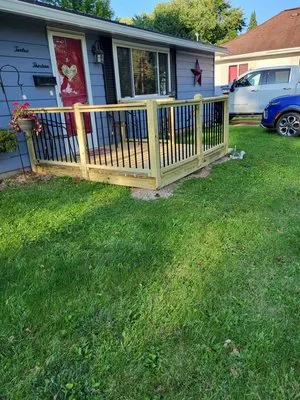
I'm The Guy Handyman Services is your local St. Louis, MI solution for home maintenance, repairs, and improvements. We offer a comprehensive range of services, from appliance installation and cabinet ...
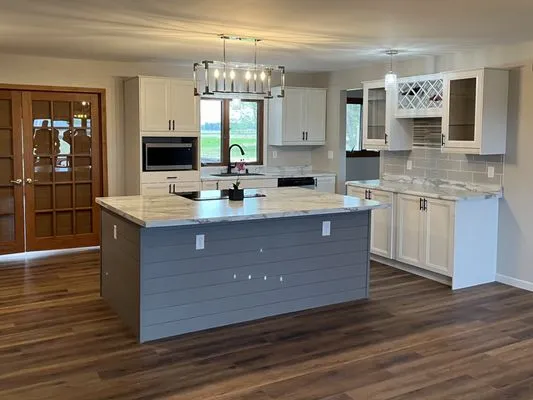
Tri-City Home Enhancement is a Freeland-based service provider specializing in comprehensive property care. We help homeowners and sellers prepare their properties through cleaning, junk removal, and ...

Kapital Lawn Care & Services is a family-owned lawn care business serving Sterling, Michigan. Rooted in the community, we provide reliable and straightforward services like regular lawn mowing and mul...
B & B Lawn Maintenance is your trusted local lawn care provider in Saginaw, MI. We specialize in comprehensive lawn services designed to combat the common local challenges of lawn moss and stubborn mu...
Ladouce Quality Maintenance is a trusted, locally-owned landscaping company serving Saginaw, MI, and the surrounding communities. We specialize in providing reliable, high-quality maintenance solution...
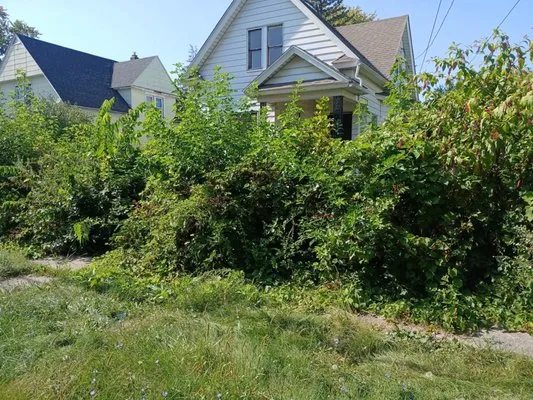
Lone Wolf Land Management is a trusted lawn care provider serving Reese, MI, and the surrounding communities. We specialize in comprehensive lawn care services designed to address common local landsca...

Beckman Lawn Care is a trusted, locally-owned lawn service and snow removal company serving Freeland, MI, and the surrounding areas. We specialize in comprehensive lawn care and reliable snow removal ...
For over a decade, Diberardino Landscaping has been the trusted local solution for Bridgeport homeowners tackling common yard challenges. We specialize in resolving the exact issues you face, like uns...

Better Lawns & Landscaping
Better Lawns & Landscaping L.L.C. is a full-service commercial and residential grounds maintenance company serving Midland, MI. With knowledgeable staff dedicated to customer satisfaction, we provide ...
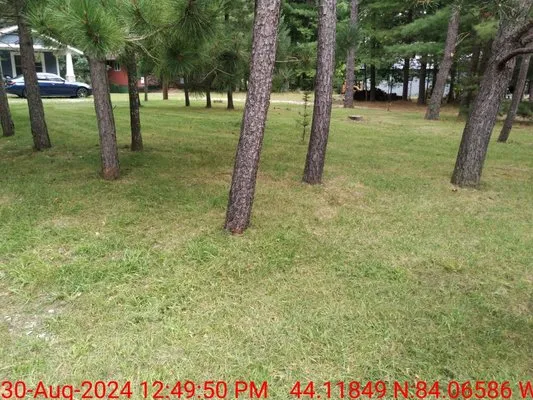
J&E Landscaping is a trusted, full-service landscaping company proudly serving Turner and the surrounding communities. We specialize in comprehensive landscape construction and installation, from dura...
Estimated Landscaping Service Costs in Porter, MI
Q&A
Is xeriscaping just rocks and cactus, or can it look lush?
Contemporary xeriscaping is lush and layered, not barren. It utilizes climate-adaptive plants with deep root systems—like native sedges, drought-tolerant perennials, and ornamental grasses—grouped by water need (hydrozoning). A dense planting scheme, once established, creates a living mulch that suppresses weeds and retains soil moisture. The result is a textured, dynamic landscape that requires minimal supplemental water, thrives in our regional heat, and provides habitat, moving far beyond the outdated stereotype of a rock garden.
If a storm downs a tree, how quickly can a crew arrive for an emergency cleanup?
For emergency storm response in the Porter Center area, our standard dispatch targets a 20-30 minute arrival during peak hours. The routing protocol prioritizes access from the Porter Town Hall area directly to I-94, which provides the most reliable corridor for moving equipment through the township. This ensures we can secure hazardous limbs, clear driveways, and begin the debris management process promptly to restore safety and accessibility to your property.
Our neighborhood lawns look thin. Is the soil in Porter Center just not very good?
Soil quality here is a function of age and construction practices. With homes averaging from 1986, the soil profile is approximately 40 years old, which is considered immature for a stable ecosystem. Original construction likely compacted the native slightly acidic sandy loam and introduced a clay sub-strata, creating a dense layer that restricts root growth and water percolation. Core aeration paired with incorporating composted organic matter is critical to improve soil structure, increase microbial activity, and correct the common nutrient deficiencies found in these older lots.
Are electric maintenance tools like mowers and blowers powerful enough?
Modern commercial-grade electric equipment matches or exceeds the power of gas counterparts for typical residential and estate properties. The benefits are operational and regulatory: zero direct emissions, drastically reduced noise pollution—critical for early morning work under new township ordinances—and lower long-term maintenance costs. The fleet transition to electric is now standard for responsible property management, eliminating fuel storage and spill risks while providing sufficient torque and run-time for all standard maintenance tasks.
Our yard stays soggy long after rain. What's the cause and a good solution?
The persistent sogginess is a classic symptom of the site's soil profile: a permeable sandy loam surface layer over a compacted, impermeable clay subsoil common in this region. This creates a perched water table. A effective solution involves installing a French drain system to intercept this groundwater, channeling it away from foundations. For new hardscapes, specifying permeable pavers or gravel setts instead of solid concrete can significantly increase ground absorption. These strategies work in concert to manage the seasonal high water table exacerbated by the clay layer.
With Stage 1 water conservation, can we still keep a healthy lawn?
Absolutely. Modern smart Wi-Fi controllers with integrated soil moisture sensors are designed for conservation. These systems automatically adjust watering schedules based on real-time evapotranspiration (ET) data and actual soil conditions, preventing overwatering. For Porter's Kentucky Bluegrass and Tall Fescue standards, this technology delivers water only when and where the root zone needs it, often reducing usage by 20-30% while maintaining turf health and complying with voluntary municipal limits.
What does 'biodiversity' mean for my property beyond just planting flowers?
For 2026 standards, biodiversity integrates habitat layers. This involves selecting a palette of native perennials, grasses, and shrubs that provide sequential bloom and seed heads for pollinators and birds year-round. Critically, it includes installing insect hotels, leaving leaf litter in designated beds over winter, and reducing lawn area to create undisturbed soil zones for ground-nesting bees. The goal is a functioning mini-ecosystem that supports local fauna, improves pest predation, and builds soil resilience through a connected root network and mycorrhizal associations, moving beyond ornamental planting.
