Top Landscaping Services in Port Huron, MI, 48059 | Compare & Call


Seedguy Hydroseeding brings over three decades of specialized experience to Port Huron and the surrounding seven-county region of Southeastern Michigan. We specialize in fine grading and hydroseeding,...

Kennedy's Landscaping is a trusted, locally-owned landscaping company serving the Port Huron, MI community. We understand the specific challenges homeowners face in our area, such as dry patches from ...

Port Huron Landscaping Services is a dedicated local company serving Port Huron, Michigan, and the surrounding areas. We offer comprehensive outdoor solutions, including landscaping, snow removal, and...
J Molina Landscaping is a trusted lawn care provider serving Port Huron, MI, specializing in comprehensive lawn maintenance and health solutions. We understand the unique challenges local homeowners f...
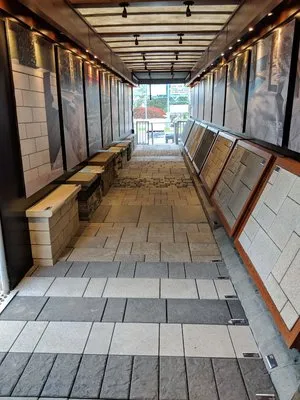
Rock-N-Wood Supply Yard
Rock-N-Wood Supply Yard in Port Huron, MI, is a locally owned and operated landscape supply business that has grown from its origins as Ed Hall Trucking into a comprehensive 10-acre yard serving both ...

RJ’s Lawn Care LLC is a local, owner-operated lawn service dedicated to Port Huron. RJ Arnold and his team focus on providing reliable, affordable care with a strong emphasis on customer service and a...
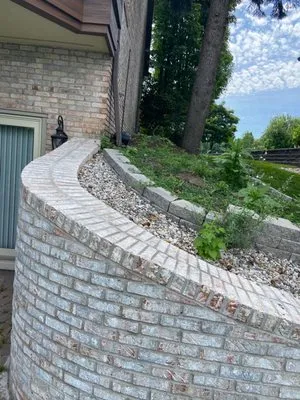
HoneyDunn Outdoor Services is a trusted lawn care provider serving Port Huron, MI, and surrounding areas. We specialize in comprehensive lawn care solutions designed to address common local landscapin...
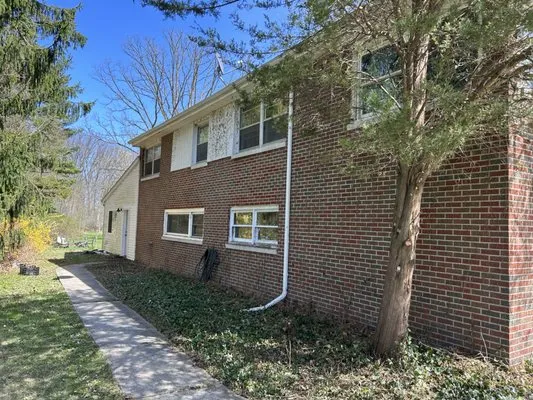
Latimer Lawn Service is a trusted, locally-owned lawn and tree care provider serving Port Huron, MI, and the surrounding Blue Water Area. We understand the unique challenges of local yards, including ...
Baunock's Lawn Care & Handy Services is your trusted local expert in Port Huron, MI, offering comprehensive solutions for both outdoor and indoor maintenance needs. We specialize in lawn care services...

365 Landscape is Port Huron's trusted partner for year-round outdoor care. We specialize in professional snow removal to keep your property safe and accessible all winter long. Beyond seasonal service...
FAQs
Our Olde Town neighborhood has mature trees but patchy grass - what's happening with our soil?
Port Huron's 1950s-era construction means your soil has developed for approximately 71 years since original grading. Neutral sandy loam in Olde Town typically becomes compacted over decades, reducing permeability below the 6-inch root zone. Core aeration every 2-3 years introduces oxygen channels while top-dressing with composted organic matter improves water retention. This addresses the common issue where mature landscapes exhibit nutrient leaching despite adequate pH levels.
We need emergency storm cleanup before an HOA inspection tomorrow - what's your response time?
Our electric maintenance fleet can dispatch from Pine Grove Park within 15 minutes, utilizing I-94 for efficient routing to Olde Town. During peak conditions, arrival occurs within the 20-30 minute window while adhering to Port Huron's 8:00 AM to 8:00 PM noise ordinance. We prioritize debris removal from hardscapes and turf restoration, documenting compliance photos for your HOA submission before the deadline.
Should we use concrete pavers or wood for our new patio considering longevity and safety?
Concrete pavers offer 25+ year durability versus wood's 10-15 year lifespan in Michigan's freeze-thaw cycles. The non-combustible material maintains Port Huron's low Fire Wise rating defensible space requirements without chemical treatments. Interlocking pavers with polymeric sand joints prevent weed penetration while allowing slight movement during ground heaving. Crushed limestone bases provide superior drainage compared to wood's organic decomposition issues.
What permits and licenses are needed for regrading our 0.15-acre property?
The Port Huron Planning & Development Department requires grading permits for soil movement exceeding 50 cubic yards on residential lots. Michigan LARA mandates licensed landscape architects or professional engineers for designs altering drainage patterns or involving retaining walls over 4 feet. Contractors must carry specific landscaping licensure for earthwork affecting property lines or municipal infrastructure. Always verify current requirements as 2026 standards may include updated erosion control measures.
We're seeing invasive plants overtake our garden - how do we treat them safely?
Japanese knotweed and garlic mustard present the highest invasive risks in Port Huron's residential areas. Manual removal during early growth stages prevents seed dispersal without chemical intervention. For persistent infestations, targeted glyphosate applications in fall minimize drift while respecting Michigan's phosphorus ban on non-agricultural turf. Always apply during calm mornings before 10 AM to protect adjacent native plantings and pollinators.
How do we keep Kentucky Bluegrass healthy during dry spells without violating water restrictions?
Wi-Fi ET-based weather sensing irrigation calculates evapotranspiration rates specific to Port Huron's microclimate. The system automatically adjusts runtime based on real-time weather data, applying 1-1.5 inches weekly during peak growth periods. This precision watering maintains your fine fescue mix's drought tolerance while staying within Stage 0 municipal guidelines. Deep, infrequent watering cycles encourage root development below the seasonal saturation layer.
Our backyard stays soggy for days after rain - what drainage solutions work with our soil type?
Neutral sandy loam's moderate permeability combined with Port Huron's high water table creates seasonal saturation issues. Installing permeable concrete pavers with crushed limestone bases creates 30-40% void space for subsurface infiltration. This meets Port Huron Planning & Development Department's runoff standards while directing excess water away from foundations. French drains with clean stone aggregate provide additional capacity during spring thaw periods.
Can we reduce mowing and gas equipment noise while still having an attractive yard?
Transitioning 30-50% of turf to native plantings creates low-maintenance zones that thrive in Zone 6a. Common milkweed, wild bergamot, and black-eyed Susan establish deep root systems requiring minimal irrigation after establishment. Little bluestem provides year-round structure while supporting local pollinators. This approach reduces weekly mowing frequency and positions your property ahead of evolving noise ordinances targeting gas-powered equipment.
