Top Landscaping Services in Pinckney, MI, 48169 | Compare & Call
There are 153 landscaping companies server in Pinckney MI
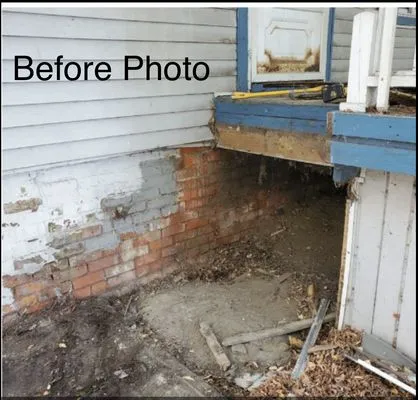
Full Range Handyman is a licensed, full-service contractor serving Farmington Hills and surrounding communities. We specialize in turning home improvement ideas into reality, from foundational landsca...
Dynamic Property Services
Dynamic Property Services is a trusted local provider in Wyandotte, MI, specializing in comprehensive outdoor solutions. Our expert team addresses common local landscaping challenges, such as yard dra...
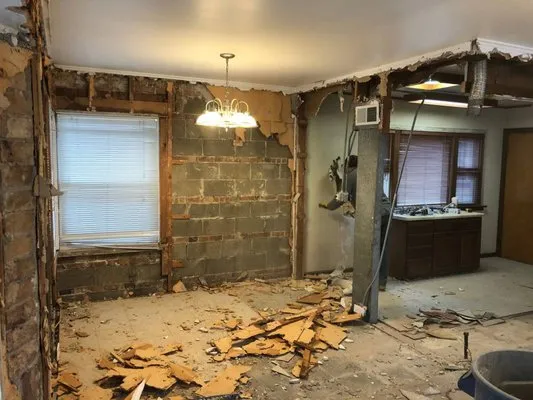
College Bound Pro Landscaping was founded by a group of Howell college students with a shared goal: to earn our way through school while serving our community. We've been pushing lawn mowers and worki...
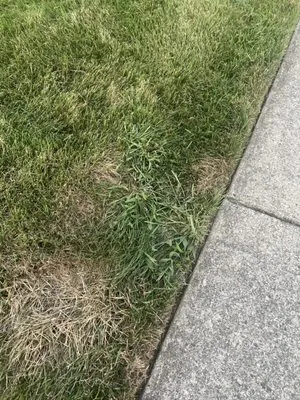
D&B Greener is a trusted local gardening, lawn, and tree service provider serving Livonia, MI. With a focus on creating customized maintenance programs, they help residents achieve safer, more enjoyab...
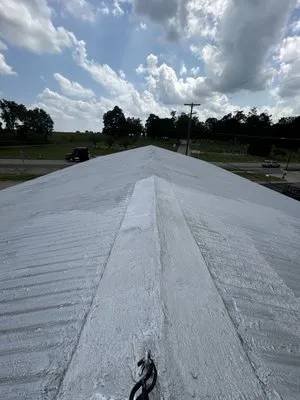
Mckibbins Outdoor Specialist is owned and operated by Wyatt McKibbin, serving Hillsdale, MI, with a comprehensive range of outdoor services. From deck construction, design, and repair to driveway, pat...

Johnny Martin's Lawn Care is a locally owned and operated business in Wayne, MI, founded by John Martin. Officially established in 2015, John has built a loyal clientele through word-of-mouth referral...
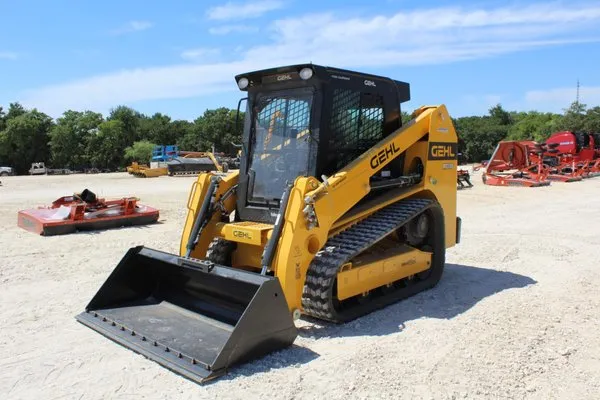
Barrett Landscaping is a full-service landscaping, masonry, and excavation contractor serving Jackson, MI, and the surrounding area. We specialize in transforming properties with comprehensive service...
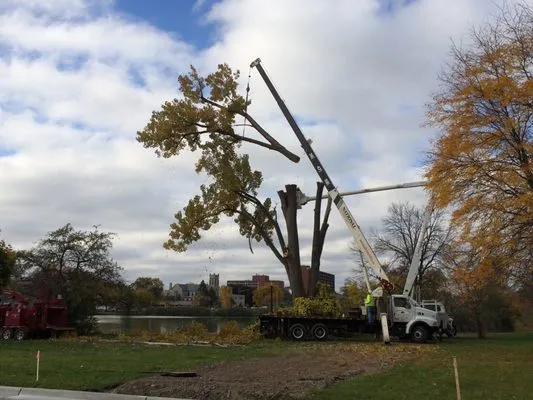
Westside Forestry Service in Novi, MI, is a third-generation family business built on deep local roots and over a century of combined arboricultural expertise. Our team of Graduate Foresters and Certi...

Johnny Redbones Tree Service is a Livonia-based, family-owned company dedicated to comprehensive tree and landscape care. With over a decade of experience, we specialize in everything from large, comp...
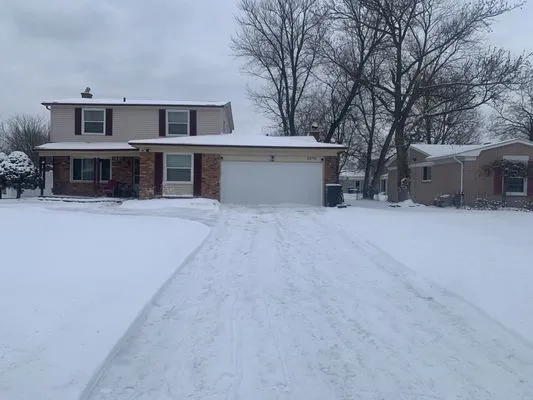
Dave & Kev’s Outdoor Property Care
For over 30 years, Dave & Kev’s Outdoor Property Care has been a trusted name in Redford Township, providing reliable lawn, snow, and tree services. As local owners who live and work in the community,...
Estimated Landscaping Service Costs in Pinckney, MI
Q&A
What permits and licensing are required for regrading our 0.25-acre property?
Grading work on 0.25-acre lots requires Pinckney Village Planning & Zoning permits for any earth movement exceeding 50 cubic yards or altering natural drainage patterns. Michigan LARA licenses landscape architects and contractors for projects involving significant soil disturbance or structural changes. Professionals must demonstrate competency in erosion control, stormwater management, and compliance with the Michigan Phosphorus Fertilizer Law. Proper licensing ensures work meets building codes and environmental regulations while protecting property values in the Downtown Pinckney historic district near the Village Square.
Our yard has standing water after heavy rains. What solutions work with Pinckney's Sandy Loam soil and local regulations?
Seasonal high water tables interacting with clay lenses in Sandy Loam require French drains or dry wells to redirect subsurface water. Permeable concrete pavers and crushed limestone hardscapes meet Pinckney Village Planning & Zoning runoff standards by allowing 80-90% of rainfall to infiltrate rather than becoming surface flow. Grading adjustments with 2% minimum slope direct water away from foundations while maintaining natural drainage patterns. These approaches address moderate drainage hazards without creating downstream erosion issues common in the M-36 corridor's watershed.
Should we choose concrete pavers or wood for our new patio considering longevity and fire safety?
Concrete pavers and crushed limestone offer superior longevity with 25+ year lifespans versus wood's 10-15 years in Michigan's freeze-thaw cycles. These materials create defensible space meeting Moderate Wildland-Urban Interface compliance recommendations by eliminating combustible organic matter near structures. Permeable installation methods manage stormwater runoff while maintaining soil health beneath hardscapes. Unlike wood, mineral-based materials don't require chemical treatments that could leach into Sandy Loam soils, making them ecologically preferable for Downtown Pinckney's residential landscapes.
We're seeing invasive plants overtaking our garden. How do we treat them without violating fertilizer regulations?
Early identification and mechanical removal of invasive species like garlic mustard or Japanese knotweed prevents establishment without chemical intervention. The Michigan Phosphorus Fertilizer Law prohibits phosphorus application except for new lawn establishment, so targeted organic herbicides containing acetic acid or citric acid provide safe alternatives. Treatment timing avoids peak mulching season from mid-April to early May when soil microorganisms are most active. Regular monitoring and manual removal maintain ecosystem health while supporting native plant communities that naturally resist invasion through competitive exclusion.
We need emergency storm debris cleanup to meet HOA compliance deadlines. What's your fastest response time to Downtown Pinckney?
Emergency cleanup crews dispatch from Pinckney Village Square via M-36 with 20-30 minute peak storm response times. Our electric maintenance fleet operates within the 8:00 PM to 7:00 AM noise ordinance restrictions using battery-powered equipment that meets commercial standards. We prioritize routes avoiding seasonal high water table areas where clay lenses create temporary flooding hazards. The 0.25-acre lot size allows for efficient debris removal with minimal property disturbance while maintaining compliance with Michigan LARA licensing requirements for landscape contractors.
Our Downtown Pinckney yard seems compacted and drains poorly. What's the likely cause given the neighborhood's development history?
Pinckney's 1992 average build date means 34 years of soil maturation, but Downtown lots with Sandy Loam pH 6.5-7.0 often develop compaction layers from construction equipment and foot traffic. This soil type naturally has moderate permeability, but clay lenses common in the area create seasonal high water tables that exacerbate drainage issues. Core aeration every 2-3 years with organic amendments like composted leaf mold improves soil structure by increasing pore space for root growth and water movement. Regular soil testing monitors pH stability to maintain optimal nutrient availability for your Kentucky Bluegrass and Fine Fescue mix.
What low-maintenance alternatives reduce our reliance on gas-powered equipment?
Replacing high-maintenance turf with Butterfly Milkweed, Wild Bergamot, Little Bluestem, Purple Coneflower, and New England Aster natives creates self-sustaining ecosystems that require minimal intervention. These Michigan-adapted plants thrive in USDA Zone 6a conditions with deep root systems accessing subsurface moisture, eliminating frequent watering needs. Electric maintenance equipment operates quietly within noise ordinance hours while supporting Pinckney's transition toward carbon-neutral landscape management. Native plantings also provide critical habitat for pollinators, supporting 2026 biodiversity standards without chemical inputs.
How can we maintain healthy turf while following Pinckney's water conservation guidelines?
Wi-Fi ET-based weather sensing controllers automatically adjust irrigation schedules using real-time evapotranspiration data, reducing water use by 20-30% compared to traditional timers. These systems preserve Kentucky Bluegrass and Fine Fescue mixes during Stage 0 voluntary conservation by delivering precise moisture when plants need it most. Deep, infrequent watering encourages deeper root systems that better withstand drought conditions. Regular system audits check for leaks and distribution uniformity to ensure every drop counts while staying well within municipal water limits.
