Top Landscaping Services in Penn, MI, 49031 | Compare & Call
There are 77 landscaping companies server in Penn MI
J&L Enterprise Corp is your trusted local partner in Niles, MI, for keeping your property well-maintained and functioning smoothly. We offer a wide range of general contracting, handyman, and lawn car...

Earth Care Lawn Service in White Pigeon, MI, is a homegrown business built on a lifelong passion for outdoor work. Owner Justin started with childhood chores and, after years in manufacturing, turned ...
D Iler Construction is a trusted, locally-owned handyman service proudly serving homeowners in Buchanan, MI, and the surrounding Southwest Michigan and Northern Indiana areas. With extensive experienc...
Jmck Services is your trusted Niles, MI partner for both home interiors and exterior upkeep. Specializing in drywall installation, repair, and texturing, they expertly handle everything from wall patc...
Precise Landscaping is a family-owned and operated business proudly serving Three Rivers, MI. Founded on the principle of providing reliable, high-quality services at a fair price, our work is a sourc...
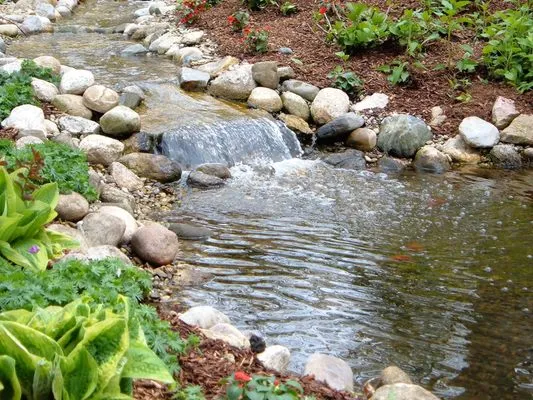
Upstream Waters Landscape has been serving Southwest Michigan and Northern Indiana since 1997, founded by Kirk W. with over 25 years of industry experience. Starting with landscape design and installa...
Why Wait Handyman Service is your local expert in Dowagiac, MI, ready to tackle common home maintenance challenges. We understand that local homeowners often face frustrating landscaping issues like d...
TruScape is a full-service landscaping and outdoor construction company serving Union City, MI, and the surrounding area. We specialize in transforming and maintaining properties with a comprehensive ...
JD's Tree And More is a locally owned and operated business serving Niles and the surrounding Michiana area since 2005. As a fully licensed and insured company, we bring professional, reliable service...
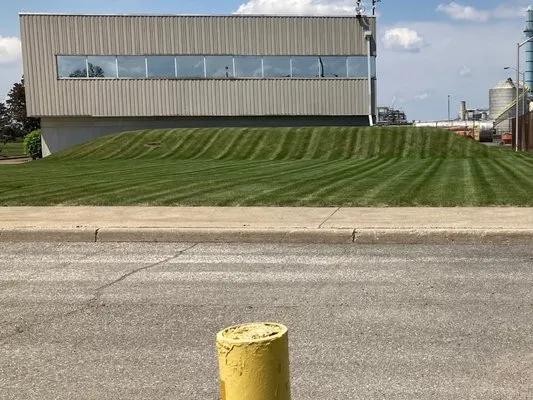
Mr. Mow It All is a family-owned and operated lawn and tree care business serving Niles, MI, with a foundation built on two generations of local experience. More than just a service, we operate as an ...
Estimated Landscaping Service Costs in Penn, MI
Q&A
I've spotted what looks like Japanese Knotweed. How do I deal with invasive plants here without harming everything else?
Early identification and correct treatment are key. For persistent perennials like Knotweed, a targeted, foliar-applied systemic herbicide is often required. All applications must use phosphorus-free fertilizers and chemicals as mandated by Michigan NREPA 451. We follow strict seasonal blackout dates to protect groundwater and non-target species. For smaller infestations, diligent digging and solarization can be effective organic strategies.
I'm tired of weekly mowing and gas equipment noise. Are there lower-maintenance, quiet options for my yard?
Absolutely. Transitioning areas to a xeriscape with Michigan natives like Butterfly Milkweed, Wild Bergamot, and Little Bluestem drastically reduces mowing and eliminates the need for gas-powered blowers. These deep-rooted plants build soil health and require no irrigation once established. This approach future-proofs your property against evolving noise ordinances and supports 2026 biodiversity standards with habitat for pollinators.
We want to regrade part of our backyard. What permits or contractor credentials should we be checking for?
Any significant grading that alters water flow or involves substantial cut and fill likely requires a permit from the Cass County Planning & Zoning Department. On a 0.45-acre lot, the scale of work necessitates hiring a contractor licensed by the Michigan Department of Licensing and Regulatory Affairs (LARA). Verify their license covers earthwork and ensure they carry adequate insurance. This protects you from liability and ensures the work meets erosion control and drainage standards.
How can I keep my Kentucky Bluegrass lawn healthy without wasting water, especially since there aren't official restrictions?
Voluntary conservation is best achieved with precision. A smart Wi-Fi soil-moisture sensing system irrigates based on actual evapotranspiration (ET) and root zone saturation, not a fixed schedule. This prevents overwatering our sandy loam, which has moderate natural saturation from the high water table. This technology applies water only when and where your specific turf grass blend needs it, optimizing health and conserving municipal water.
My yard gets soggy for days after heavy rain. What's a long-term solution that also looks good?
This is a common issue with sandy loam over a high water table, where permeability decreases in lower layers. Integrating permeable hardscapes, like your existing crushed limestone or new concrete pavers set on a gravel base, creates positive drainage channels. These surfaces meet Cass County Planning & Zoning Department runoff standards by allowing infiltration. For severe areas, a French drain system tied to a dry well may be necessary to manage seasonal saturation.
I have a storm-damaged tree that needs immediate removal for safety. What's your emergency response protocol?
Our emergency dispatch prioritizes safety hazards. From our staging area near the Penn Township Hall, we take M-60 directly to your neighborhood. Accounting for traffic and load-out, our target arrival window is within the 25-40 minute range you noted for peak storm response. We coordinate all work within the Penn noise ordinance hours of 8:00 AM to 8:00 PM for commercial operations.
We're adding a patio. Are concrete pavers a better long-term choice than wood decking for our area?
For longevity and low maintenance in Penn's climate, concrete pavers are superior. They are inert, do not rot or warp, and have a lifespan decades longer than wood. Their non-combustible nature also contributes positively to your property's Low Fire Wise Rating by creating defensible space. Properly installed with a polymeric sand joint, they resist weed growth and heaving from freeze-thaw cycles, providing a stable surface for your 0.45-acre lot.
My lawn in the Penn Historic District looks thin and compacted. Does the age of our homes have anything to do with it?
Yes, it's a direct factor. Homes built around 1981 have soils with a maturity of about 45 years, which is still relatively young and often degraded from initial construction. In our sandy loam, this typically means a loss of organic matter and soil aggregation, leading to compaction and reduced permeability. Core aeration and the incorporation of composted organic matter are critical to rebuild soil structure and support the fine root systems of your turf blend.
