Top Landscaping Services in Oxford, MI, 48370 | Compare & Call
There are 195 landscaping companies server in Oxford MI
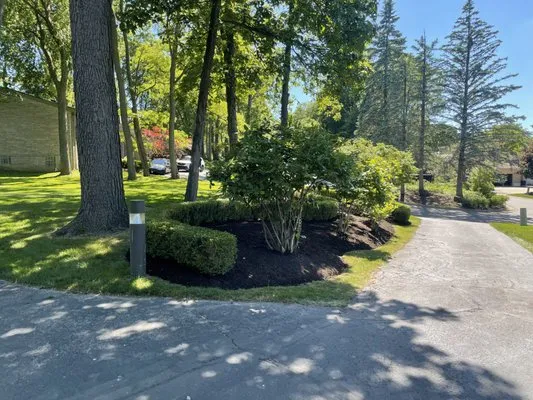
Danno's Landscape is a trusted local lawn care and snow removal service based in Ortonville, MI. We specialize in comprehensive lawn maintenance and reliable winter snow removal to keep your property ...
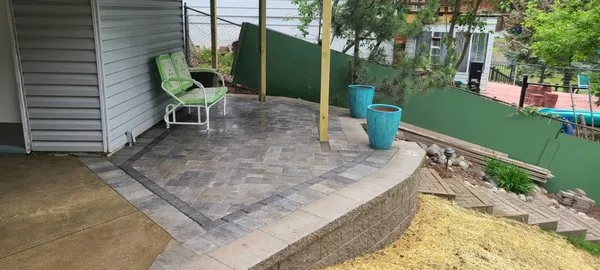
Lawn And Landscaping Services
Lawn And Landscaping Services in Metamora, MI, is a full-service provider dedicated to creating and maintaining beautiful, resilient outdoor spaces. We specialize in a comprehensive approach that tack...
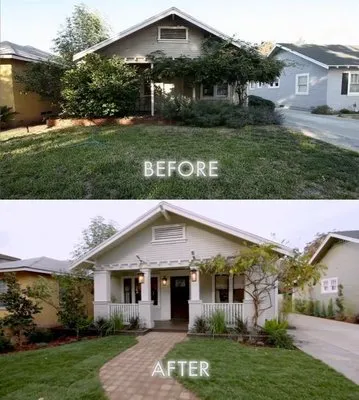
Founded in 2013 by a family with deep roots in Oakland and Macomb counties, Jay's Quality Landscape is a Clarkston-based, family-owned company dedicated to transforming outdoor spaces. Grounds manager...
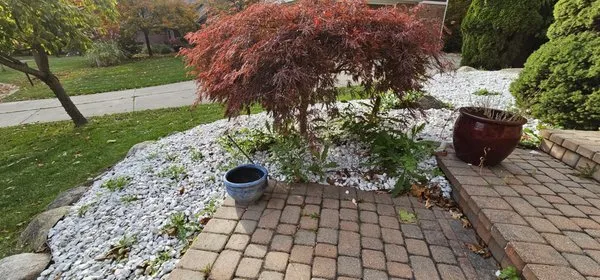
J&J Quality Landscape is a full-service landscaping company serving Leonard and the surrounding Michigan communities. We specialize in comprehensive solutions for common local yard challenges, such as...
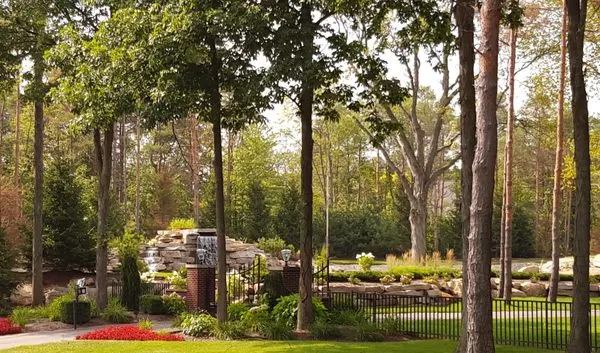
Sirco Scape
Sirco Scape is a dedicated landscaping partner serving Almont, Michigan, with over fifteen years of local experience. We specialize in creating and maintaining custom outdoor spaces that enhance prope...

J & J Quality Landscape, LLC is a dedicated, locally owned landscaping company serving Oakland County, Michigan, and the surrounding communities from our base in Leonard. We specialize in transforming...
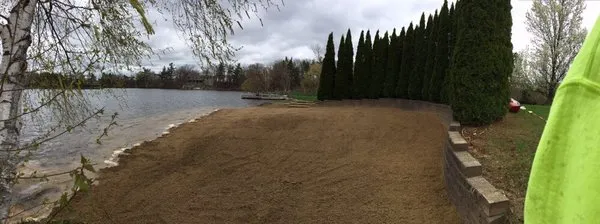
Outdoor Techniques has been a trusted part of the Oxford community since 2002. What began as a small lawn care service has grown into a full-service design, construction, and maintenance company, buil...
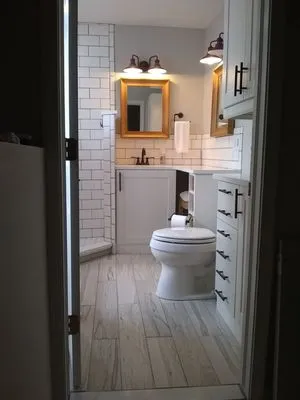
Olde Country Skilled Labor in Oxford, MI, is a family-owned home improvement business built on traditional craftsmanship and clear communication. With over two decades of experience, they specialize i...
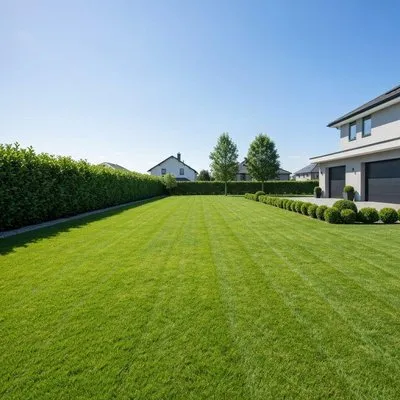
K&V Landscaping is a trusted local landscaping company serving homeowners in Oxford, MI, and the surrounding areas. We understand the common frustrations Oxford residents face, such as persistent weed...
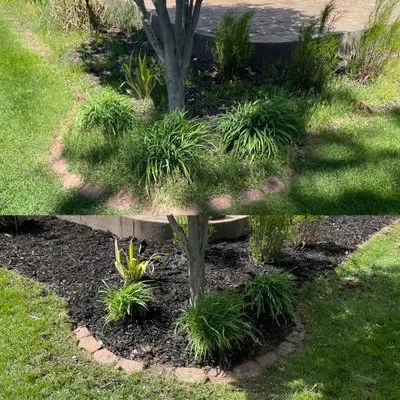
Clean Up Crew is a full-service Oxford, MI, landscaping and property maintenance company. We specialize in resolving common local landscape issues, such as inefficient sprinkler systems and patchy irr...
Estimated Landscaping Service Costs in Oxford, MI
Frequently Asked Questions
What permits and licenses are needed for landscape renovations?
Grading on 0.35-acre Oxford Village lots requires Oxford Township Building Department review for erosion control and drainage compliance. Contractors must hold Michigan LARA landscaping licensure for projects exceeding $600, ensuring proper stormwater management and structural work. This prevents unauthorized modifications that could alter water flow to adjacent properties or violate natural resource protection ordinances governing soil disturbance and vegetation removal.
How quickly can you address storm damage to meet HOA requirements?
Emergency cleanup crews dispatch from Centennial Park via M-24, arriving within 20-30 minutes during peak conditions. This routing avoids residential bottlenecks while allowing assessment of tree limb hazards and drainage blockages. Electric equipment operates within Oxford's 8:00 PM to 7:00 AM noise restrictions, enabling extended work windows for debris removal and turf restoration to compliance standards.
What solutions prevent seasonal flooding in my yard?
Moderate seasonal high water tables in sandy loam require permeable base layers beneath hardscapes. Clay pavers with open joints or stamped concrete with polymeric sand allow 4-8 inches per hour infiltration, meeting Oxford Township Building Department runoff standards. French drains should channel water 10 feet from foundations, while rain gardens with wild bergamot buffer drainage paths during spring saturation periods.
Why does my Oxford Village lawn struggle despite regular care?
Oxford properties built around 1979 have 47-year-old soil profiles. Sandy loam in this neighborhood loses structure over decades, becoming compacted with reduced permeability. Core aeration every 2-3 years introduces oxygen channels while incorporating compost rebuilds organic matter. This addresses the pH 6.2-6.8 range's tendency to leach nutrients, creating conditions where Kentucky bluegrass roots can penetrate beyond surface layers.
Can I maintain healthy turf under Oxford's water conservation rules?
Stage 1 voluntary conservation works with ET-based weather sensing controllers that adjust schedules using real-time evapotranspiration data. These systems deliver 0.75-1.0 inches weekly to Kentucky bluegrass-fine fescue blends during peak demand, preventing runoff into sandy loam. Programming deep, infrequent cycles before 10 AM maximizes absorption while staying 20% below municipal benchmarks for Oxford Village's moderate climate.
How can I reduce maintenance while supporting local ecology?
Replacing 30-50% of turf with purple coneflower, butterfly milkweed, and little bluestem creates pollinator corridors that require no mowing or gas-powered equipment. These Michigan natives establish deep root systems within 2-3 seasons, surviving Zone 6a winters without irrigation. This transition ahead of electric equipment mandates reduces carbon emissions while providing year-round visual interest with minimal input beyond annual cutting back.
Which patio materials offer durability with fire safety in mind?
Stamped concrete provides non-combustible surfaces meeting Moderate Firewise USA standards for defensible space, unlike wood decks that require 30-foot clearance. Clay pavers offer similar fire resistance with interlocking designs that withstand freeze-thaw cycles in Zone 6a. Both materials maintain integrity for 25+ years with proper sealing, creating functional zones that don't compromise Oxford's community wildfire protection planning.
What invasive species threaten Oxford landscapes, and how are they managed?
Garlic mustard and Japanese knotweed spread rapidly through sandy loam, outcompeting natives within 2-3 growing seasons. Manual removal before seed set in May, followed by phosphorus-free fertilizer applications, prevents resurgence without violating Michigan's NREPA restrictions. Targeted glyphosate spot treatments during fall dormancy avoid pollinator impacts while maintaining soil mycorrhizae networks that support established plant communities.
