Top Landscaping Services in Oregon, MI, 48421 | Compare & Call
There are 195 landscaping companies server in Oregon MI
Mike's Lawn Maintenance is a trusted, locally-owned landscaping service in Davison, MI, dedicated to keeping your yard healthy and beautiful year-round. We understand the specific challenges Davison h...
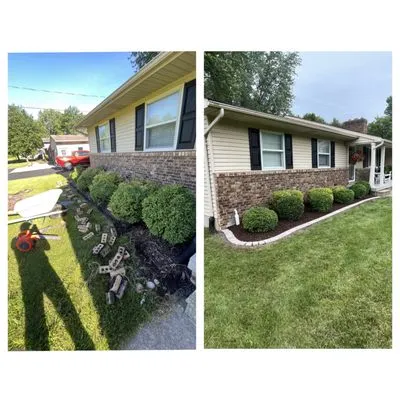
Burgess Outdoor Services is a Flushing, MI landscaping company dedicated to transforming and maintaining outdoor spaces with comprehensive solutions. We specialize in both softscapes and hardscapes, o...

Hayward Brothers is a trusted, locally-owned landscaping company serving Davison, MI, and the surrounding areas. We understand the common local challenges homeowners face, such as patchy, thin lawn gr...

Armstrong's Lawncare is a trusted local provider in Corunna, MI, specializing in lawn care and snow removal services. Many Corunna homes face common landscaping challenges like standing water in yards...
Larry's Lawn Care is a trusted, locally-owned lawn service provider dedicated to keeping Flint yards healthy and beautiful. We understand the unique challenges homeowners in our area face, such as pos...
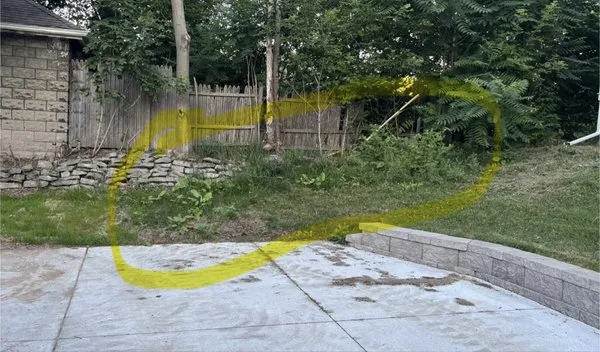
Royalty Services Inc. is a locally owned and operated business serving Byron, Linden, and Fenton. With over 25 years of hands-on experience, we provide comprehensive solutions that go beyond basic law...
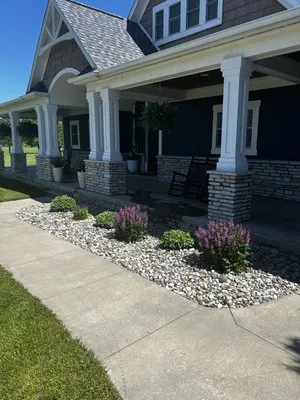
Benson's Landscaping Services brings a unique 'can-do' approach to lawn and landscape care for Goodrich residents. Founded on a simple principle—we never turn down a job, big or small—we combine a str...
Greenline Improvement was born from a genuine passion for Flint's outdoor spaces. It started with a simple desire to help neighbors and build something meaningful right here in the community. Through ...
Mark and Loreal's Full Service Lawn Care is a trusted, locally-owned lawn service provider in Flint, Michigan, dedicated to helping homeowners maintain beautiful, healthy outdoor spaces. We specialize...

Deep Roots Lawn and Pest Control is a Davison-based company specializing in comprehensive tree services, pest control, and landscaping solutions. Serving the local community, they address common issue...
Estimated Landscaping Service Costs in Oregon, MI
Frequently Asked Questions
How do I manage invasive species without violating fertilizer regulations?
Identify invasive threats like Japanese knotweed or garlic mustard before they establish competitive advantages. Mechanical removal during early growth stages prevents phosphorus-containing herbicide needs. For persistent invasions, targeted glyphosate applications during dormancy periods avoid fertilizer ordinance restrictions. Soil testing determines actual deficiency before any amendment application, with documentation required for phosphorus exceptions. Regular monitoring maintains ecosystem balance without regulatory violations.
Should I replace high-maintenance turf with native plants?
Transitioning to Purple Coneflower, Wild Bergamot, Common Milkweed, and Little Bluestem reduces maintenance frequency 60-70% while supporting 2026 biodiversity standards. Native plantings require no gas-powered blowers, aligning with evolving noise ordinance restrictions. These species establish deep root systems within 2-3 growing seasons, improving soil structure naturally. Reduced irrigation demands and eliminated fertilizer applications create truly sustainable landscapes.
How quickly can you respond to storm damage for HOA compliance?
Emergency cleanup crews dispatch from Pearson Metropark via I-280, maintaining 20-30 minute response times during peak conditions. This routing avoids residential congestion while providing access to specialized equipment. We prioritize safety assessments before debris removal, documenting all work for HOA submission. Electric maintenance fleets operate within Oregon's 9:00 PM to 7:00 AM noise ordinance restrictions.
Why does my Oregon Center lawn struggle with compaction and poor drainage?
Oregon Center properties built around 1984 have 42-year-old soil systems in Blount-Pewamo Loam. This soil type naturally develops dense layers over decades, reducing permeability to 0.5-1.5 inches per hour. Core aeration every 2-3 years introduces oxygen channels while top-dressing with composted organic matter improves water infiltration. Soil testing confirms pH typically ranges 6.5-7.2, requiring specific amendments rather than generic treatments.
What solutions exist for standing water in Blount-Pewamo Loam soils?
Blount-Pewamo Loam's poor infiltration requires integrated drainage strategies. Permeable concrete pavers achieve 5-8 inches per hour permeability rates, exceeding City of Oregon Building & Zoning Division runoff standards. French drains with clean gravel layers redirect subsurface water while rain gardens with 12-inch excavation depths provide natural infiltration basins. These systems work synergistically to manage Oregon's high water table conditions without overwhelming municipal infrastructure.
What permits and licenses are needed for grading my 0.35-acre lot?
Grading projects exceeding 100 cubic yards of earth movement require City of Oregon Building & Zoning Division permits with engineered drainage plans. The Ohio Landscape Architects Board mandates licensed professionals for designs impacting water flow patterns or structural stability. Contractors must carry specific bonding for erosion control on slopes exceeding 3:1 ratios. These requirements ensure compliance with state sedimentation regulations and protect against liability for downstream water quality impacts.
Are permeable pavers better than wood for patio longevity?
Permeable concrete pavers maintain structural integrity 25-30 years versus wood's 8-12 year lifespan in Oregon's freeze-thaw cycles. Their non-combustible nature supports Low Fire Wise ratings by creating defensible space without fuel accumulation. Interlocking systems accommodate ground movement while maintaining 90% permeability rates. Unlike wood, they resist moisture damage from Oregon's high water table and require no chemical treatments that might leach into groundwater systems.
Will smart irrigation keep my Kentucky Bluegrass healthy during dry periods?
Wi-Fi ET-based weather sensing irrigation calculates evapotranspiration rates specific to Oregon's microclimate. This system applies 0.75-1.5 inches weekly during peak demand, matching Kentucky Bluegrass and Tall Fescue requirements while staying within municipal conservation standards. Soil moisture sensors prevent overwatering despite the high water table, reducing consumption 30-40% compared to traditional timers. Programming adjusts automatically for rainfall events and seasonal transitions.
