Top Landscaping Services in Oliver Township, MI, 48413 | Compare & Call
There are 24 landscaping companies server in Oliver Township MI
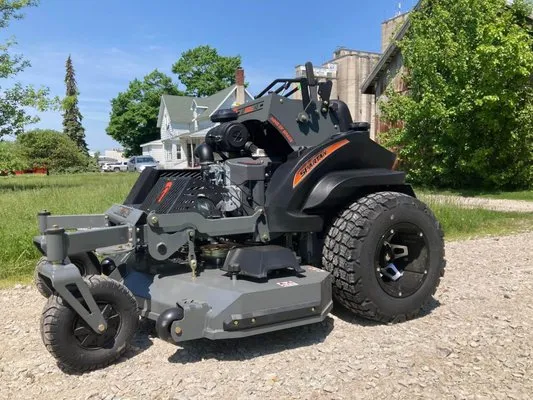
Scott’s Lawn Care is your trusted local provider in Bad Axe, MI, dedicated to resolving the common lawn issues homeowners face. We specialize in comprehensive lawn care services that tackle patchy, un...
Jersey Lawn Services is a trusted Caseville-based provider of comprehensive lawn and landscape solutions. We specialize in addressing the common local challenges homeowners face, such as soil compacti...
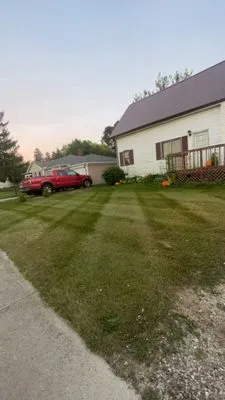
Aydens Mowing And Landscaping is your trusted, local lawn care partner serving the Ubly, MI community. We specialize in revitalizing lawns and managing landscapes to combat common local challenges lik...

Hazard's Lawn Care provides dedicated lawn services to the Elkton, MI community. We treat every property with the same care and attention to detail we would our own homes, focusing on solutions for co...
Estimated Landscaping Service Costs in Oliver Township, MI
FAQs
Are concrete pavers better than wood for long-term durability?
Concrete pavers and crushed limestone offer 25-30 year lifespans versus wood's 10-15 years in Michigan's freeze-thaw cycles. These non-combustible materials contribute to defensible space in Oliver Township's low fire-wise rating areas. Properly installed with polymeric sand joints, they resist weed penetration while allowing some water permeability. For rural/agricultural interface properties, this creates functional outdoor spaces that withstand heavy use without maintenance demands of wood structures.
How quickly can you respond to storm damage for HOA compliance?
Emergency cleanup crews dispatch from Oliver Township Hall via M-142, reaching Elkton Residential Core properties within 45-60 minutes during peak conditions. Our electric maintenance fleet operates within standard 7:00 AM to 9:00 PM noise ordinances while handling downed branches and debris. We prioritize safety assessments first, then implement temporary stabilization measures before permanent restoration work begins on your 1.5-acre property.
What solutions work for seasonal water pooling in my yard?
Seasonal high water tables in Oliver Township's sandy loam soils create poor infiltration in depressions. Installing French drains with clean gravel and geotextile fabric redirects subsurface water, while permeable crushed limestone pathways increase surface absorption. The Huron County Building & Zoning Department requires runoff management for hardscape projects exceeding 100 square feet, making these solutions both functional and compliant for properties with natural drainage challenges.
What permits and licenses are needed for grading my large property?
Grading projects on 1.5-acre lots in Oliver Township require Huron County Building & Zoning Department permits for earth moving exceeding 50 cubic yards. Contractors must hold Michigan LARA landscaping licensure with proof of liability insurance. The permit process evaluates erosion control plans, drainage modifications, and compliance with setback requirements. Unlicensed grading can trigger fines up to $10,000 and mandatory restoration orders, making professional oversight essential for proper water management and regulatory compliance.
Why does my Oliver Township lawn struggle with compaction and poor drainage?
Properties in the Elkton Residential Core built around 1981 have 45-year-old soil profiles. Loamy sand and sandy loam soils naturally compact over decades, reducing permeability to 0.5-2.0 inches per hour. Core aeration every 2-3 years introduces oxygen channels while top-dressing with composted organic matter rebuilds soil structure. This addresses the pH 6.5-7.2 range common in these lots where decades of mowing and foot traffic have degraded natural drainage pathways.
Should I replace some lawn with native plants to reduce maintenance?
Transitioning high-maintenance turf areas to Common Milkweed, Bergamot, Little Bluestem, and Black-eyed Susan creates resilient landscapes requiring minimal inputs. These natives thrive in Zone 5b conditions with deep root systems that improve soil structure and drought tolerance. As municipalities phase out gas-powered equipment, electric maintenance of native plantings operates quietly within noise ordinances while supporting 2026 biodiversity standards for pollinator corridors.
Can I maintain Kentucky Bluegrass without violating water conservation guidelines?
Smart Wi-Fi soil moisture sensor controllers optimize irrigation by measuring actual ET rates rather than following fixed schedules. These systems maintain Kentucky Bluegrass and Fine Fescue mixes at 75-80% of reference evapotranspiration, reducing water use 30-40% while preserving turf health. Even with voluntary conservation status in Oliver Township, this technology prevents overwatering that leads to fungal issues and shallow root development in sandy loam soils.
How do I manage invasive species without chemical runoff concerns?
Early detection of invasive plants like garlic mustard or Japanese knotweed allows mechanical removal before seed set. For established infestations, targeted glyphosate applications in fall when natives are dormant minimize collateral damage. Michigan's Phosphorus Limitation under the Natural Resources and Environmental Protection Act prohibits fertilizer use near water bodies, so we implement buffer zones and soil testing to ensure treatment protocols don't violate environmental protections.
