Top Landscaping Services in Nunda Township, MI, 49705 | Compare & Call
There are 106 landscaping companies server in Nunda Township MI
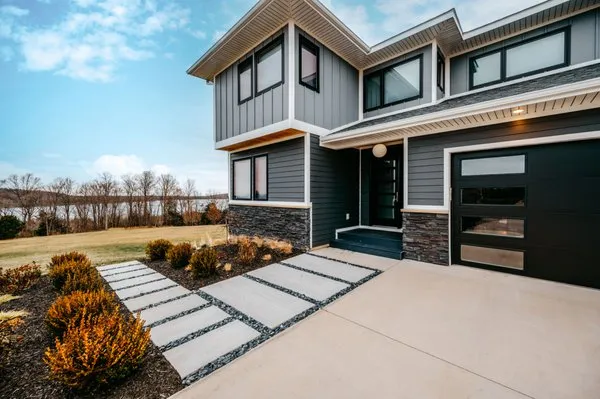
Nuñez Nursery and Landscaping is a trusted, family-owned resource for Manistee homeowners looking to create and maintain beautiful, healthy outdoor spaces. We specialize in diagnosing and solving comm...

Bayside Maintenance is your local, year-round partner for property care in Traverse City, MI. Specializing in lawn services and snow removal, we tackle the common challenges Northern Michigan homes fa...
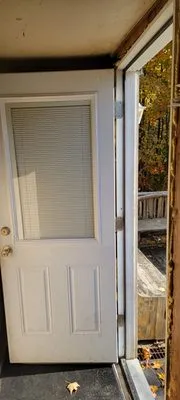
P and F Services is a licensed and insured family-owned business in Gaylord, MI, with deep roots in handyman, landscaping, and roofing work. Founded by someone who grew up doing this type of work, the...
Spring Clean is a dedicated lawn care service based in Traverse City, MI, specializing in maintaining healthy, vibrant lawns for local homeowners. We understand the common challenges in our area, such...
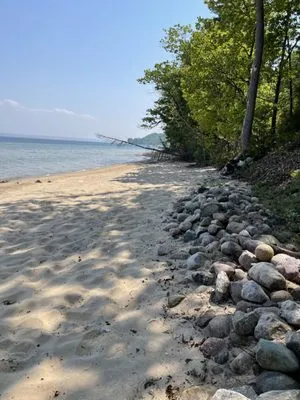
1st Cor Maintenance is a local lawn care and basic maintenance provider in Mancelona, MI, dedicated to serving homeowners with reliable, value-driven service. We focus on integrity, honor, courage, an...

Luik Total Services L.L.C. is a Kalkaska-based property management company with over a decade of local experience, established in 2011 and operating as an LLC since 2014. We provide comprehensive comm...

Destination Home Builders
Destination Home Builders is your full-service partner for construction and landscaping in Kewadin, MI. As licensed general contractors, we specialize in new single-family, modular, and manufactured h...
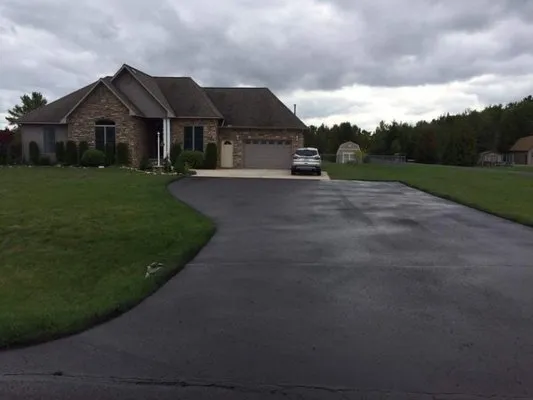
McFadden Contracting is Barton City's trusted partner for comprehensive outdoor property care. We specialize in landscaping, hardscaping, and seasonal maintenance, offering solutions tailored to our l...
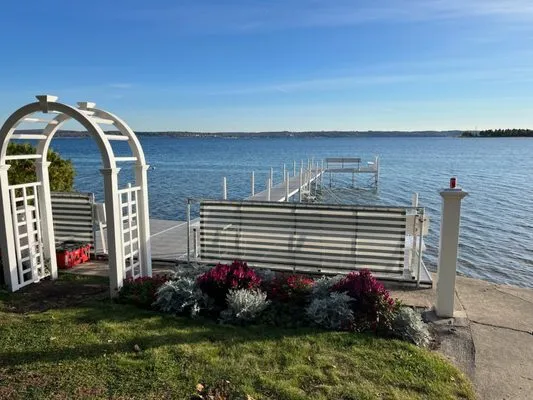
Northern Landscape, LLC is a licensed landscaping and tree service company serving the Indian River, MI community with over 11 years of local experience. We specialize in providing tailored property s...
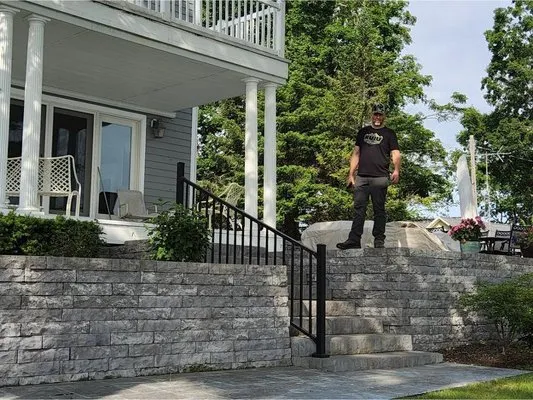
Hope Landscaping has been a trusted part of the Indian River community since 2001. We specialize in comprehensive landscaping and hardscaping solutions, from initial design and irrigation installation...
Estimated Landscaping Service Costs in Nunda Township, MI
FAQs
What invasive plants should I watch for, and how do I remove them without harming my garden or the local environment?
Be alert for aggressive species like Garlic Mustard or Spotted Knapweed. Manual removal before seed set is most effective. For chemical control, use targeted, non-phosphorus herbicides applied by a licensed professional to comply with statewide phosphorus restrictions near water bodies. Always adhere to label instructions and local application blackout dates to protect watershed health.
A storm damaged trees on my property. What's the fastest timeline for emergency cleanup to meet HOA standards?
For an emergency HOA compliance visit, our dispatch from the Nunda Township Hall area prioritizes M-32 for access. Accounting for debris clearance and peak traffic factors, a crew with an electric chipper—compliant with daylight noise ordinances—can typically be on-site within the 45-60 minute response window to secure the property and initiate safe removal.
I'm tired of weekly mowing and gas equipment noise. Are there lower-maintenance, quieter landscape options?
Yes. Transitioning sunny turf areas to a native planting of Purple Coneflower, Butterfly Milkweed, and Little Bluestem drastically reduces mowing and eliminates gas-powered blowers. This established xeriscape requires minimal watering once established, aligns with evolving noise ordinances targeting combustion engines, and provides superior habitat value compared to a monoculture lawn.
I want to regrade and reshape areas of my 2.5-acre lot. What permits and contractor credentials are required?
Significant earthmoving on a lot this size often requires a soil erosion permit from the Cheboygan County Building Department. It is critical to hire a contractor licensed by the Michigan Department of Licensing and Regulatory Affairs (LARA) for this work. State licensing ensures they carry proper insurance and understand the engineering and environmental regulations specific to large-scale site modification.
Parts of my yard stay soggy long after rain. What's a lasting solution for these wet spots?
Seasonal high water tables and poorly drained depressions are common in our topography. Solutions begin with regrading to direct surface flow and installing French drains where needed. For patios or paths, using permeable crushed limestone as a base meets Cheboygan County runoff standards by allowing infiltration, unlike solid concrete slabs which exacerbate pooling.
How can I keep my lawn green during summer without wasting water, especially since there are no official restrictions?
Voluntary conservation is best achieved with ET-based smart irrigation controllers using in-ground soil moisture sensors. These systems apply water only when the sandy loam's root zone dries to a specific threshold, preventing overwatering. This technology maintains turf health by encouraging deeper roots in your Bluegrass/Fescue mix while staying well within sustainable municipal water use parameters.
My lawn in Nunda Center seems thin and compacted. Does our neighborhood's history explain this?
Homes built around 1981, like many here, have soil systems approximately 45 years old. Original construction and decades of routine mowing have depleted organic matter in the native sandy loam, leading to compaction and reduced permeability. This soil profile, while well-draining when healthy, now likely requires core aeration and top-dressing with compost to restore structure and support deeper root growth for your Kentucky Bluegrass mix.
Is crushed limestone or wood better for a new garden path, considering longevity and fire safety?
Crushed limestone offers superior longevity and permeability compared to wood, which decays and requires replacement. For fire-wise planning in Nunda Township's moderate-risk rural interface, non-combustible limestone also contributes to defensible space by creating a firebreak, a prudent design consideration not provided by organic mulches or timber.
