Top Landscaping Services in North Branch Township, MI, 48461 | Compare & Call

There are 146 landscaping companies server in North Branch Township MI
B&G Outdoor Services
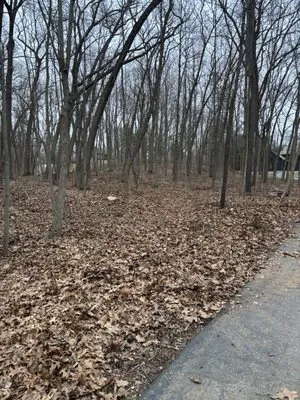
At B&G Outdoor Services in Holly, MI, we bring a genuine passion for excavation and running equipment to every job. Founded by two brothers who started in the landscape industry as teenagers, our busi...
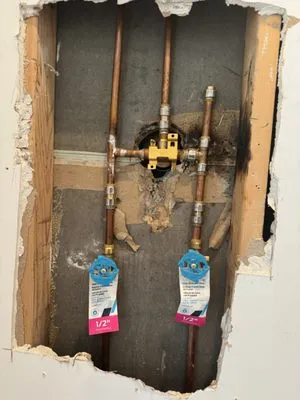
Mundane Solutions in Detroit provides expert home and landscape services with a focus on precision and reliability. Founded in 2015 by a technician who saw a need for quality craftsmanship in the area...

Lopez Tree and Landscaping is a locally owned and operated business in Imlay City, founded by Felipe Lopez. After moving from Mexico and working his way up in the industry, Felipe realized his dream o...
Absolute Hauling & Services
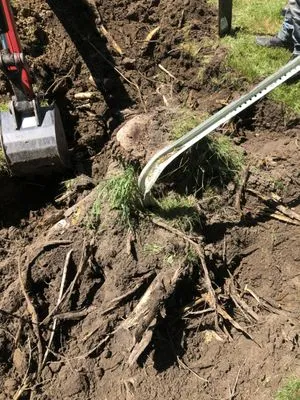
Absolute Hauling & Services is a trusted, locally-owned company serving Mount Morris, MI, and the surrounding counties. We specialize in making property projects manageable by handling the heavy lifti...

Turman's Tree & Landscape has been a trusted local provider in Lake Orion, MI, for over 20 years, offering comprehensive tree and lawn services. Specializing in tree trimming, removal, landscaping, la...
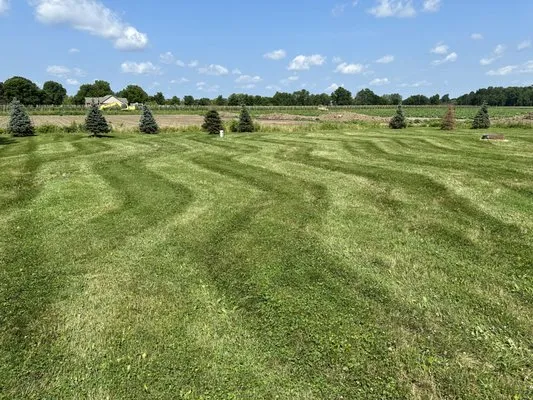
Dombrowski Lawn Care is a trusted local provider of comprehensive lawn and landscaping services for homeowners in St Clair, MI. We understand the unique challenges of maintaining a beautiful property ...
Yard Guards is your trusted local lawn care and snow removal specialist serving Ortonville, MI. We understand that local homeowners face specific challenges, including soil compaction and dying shrubs...
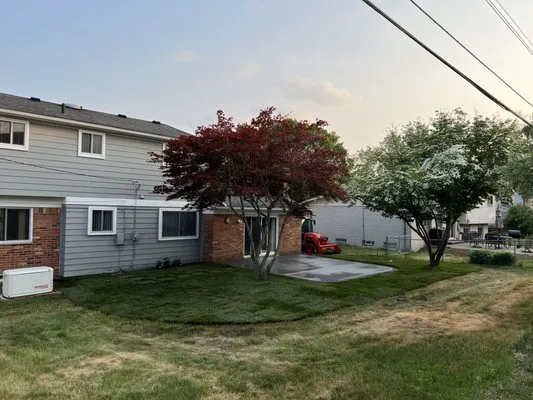
Randy, the owner of RTB Outdoor Services, is a Waterford Township local who has turned his lifelong passion for outdoor work into a reliable community business. Since starting in 2019, he's mastered a...
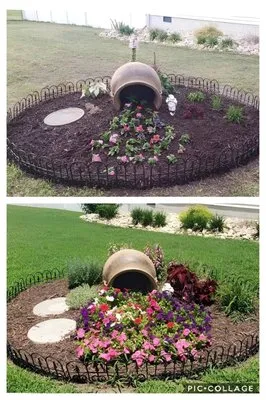
Legacy Services is a family-owned and operated landscaping company proudly serving Burton, MI. We are dedicated to transforming and maintaining outdoor spaces through hard work, fair pricing, and guar...
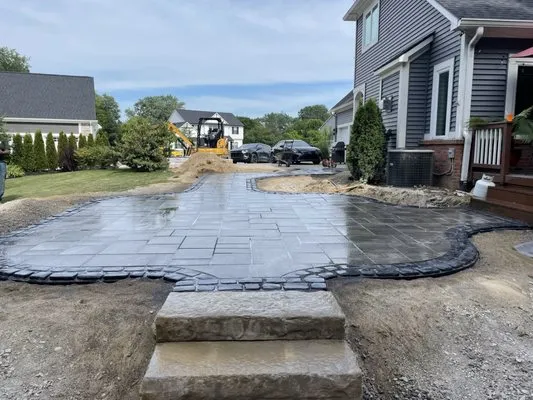
R A Hardscape is a family-owned landscaping and hardscaping company serving Flint, MI, and the surrounding communities. Founded on a passion for transforming outdoor spaces, our journey began with the...
Estimated Landscaping Service Costs in North Branch Township, MI
Questions and Answers
Our North Branch Village Center home was built in the 1980s - what should I know about the soil after 44 years?
Properties built around 1982 have soil that has matured for 44 years, developing a compacted layer from decades of foot traffic and maintenance equipment. The sandy loam common in this neighborhood maintains good drainage but loses organic matter over time, dropping below optimal levels for turf health. Core aeration every 2-3 years is essential to break up compaction and improve water infiltration. Adding compost or well-aged manure in spring or fall will rebuild soil structure and support microbial activity.
What permits and licenses are required for grading work on our 1.2-acre property?
Grading projects on 1.2-acre lots typically require erosion control permits from the North Branch Township Planning & Zoning Department, especially when moving more than 50 cubic yards of soil. Contractors must hold appropriate licensing through the Michigan Department of Licensing and Regulatory Affairs (LARA), with specific classifications for earth alteration work. These regulations ensure proper water management and prevent sedimentation in areas with poor infiltration characteristics, protecting both property and watershed health.
We need emergency storm cleanup to meet HOA compliance deadlines - how quickly can you respond?
Our electric maintenance fleet can dispatch from Memorial Park via M-90 to reach North Branch Village Center within 35-50 minutes during peak response times. This timing accounts for debris removal and safety protocols while operating within the 9:00 PM to 7:00 AM noise ordinance restrictions. We prioritize routes that avoid drainage hazards common in seasonal high water table areas to ensure timely arrival with appropriate equipment.
What invasive species should we watch for, and how do we treat them safely?
Garlic mustard and spotted knapweed present significant invasive risks in North Branch Township, outcompeting native vegetation and reducing biodiversity. Manual removal before seed set is most effective, followed by targeted spot treatments with EPA-approved herbicides applied during active growth phases. These treatments avoid the statewide phosphorus ban on turf fertilizer by focusing on invasive control rather than lawn nutrition, and timing applications outside of sensitive periods protects water quality.
Should we use concrete pavers or wood for our new patio considering longevity and fire safety?
Concrete pavers offer superior longevity to wood in Michigan's freeze-thaw cycles, with 25+ year lifespans versus wood's 10-15 years with regular maintenance. For the Low Fire Wise rating in this Wildland-Urban Interface area, crushed limestone or concrete materials create defensible space by reducing flammable organic matter accumulation. These non-combustible materials maintain permeability when installed with proper base preparation, supporting drainage in areas with seasonal high water tables.
Our yard has standing water in low spots after heavy rains - what solutions work with our soil type?
Seasonal high water tables and poor infiltration in depressions are common challenges in sandy loam soils. Installing French drains with clean gravel and perforated pipe redirects subsurface water away from problem areas. For hardscape solutions, permeable concrete pavers or crushed limestone bases allow water to percolate naturally, meeting North Branch Township Planning & Zoning Department runoff standards. These approaches address drainage while maintaining soil structure.
How do we maintain Kentucky Bluegrass and Perennial Ryegrass during dry periods without violating water restrictions?
Wi-Fi ET-based weather sensing irrigation systems calculate evapotranspiration rates specific to North Branch Township's microclimate, applying water only when soil moisture drops below optimal levels. This technology reduces water use by 20-30% compared to traditional timers while maintaining turf health through voluntary conservation periods. The system automatically adjusts for rainfall and humidity, preventing overwatering in sandy loam soils where poor infiltration can occur in depressions.
What native plant options can reduce maintenance while supporting local biodiversity?
Replacing high-maintenance turf areas with Butterfly Milkweed, Wild Bergamot, Little Bluestem, and Black-eyed Susan creates habitat for pollinators while reducing mowing frequency and fuel consumption. These Michigan natives are adapted to USDA Zone 5b conditions and require minimal irrigation once established. Transitioning to electric maintenance equipment aligns with noise ordinance restrictions on gas-powered blowers while supporting 2026 biodiversity standards for the Wildland-Urban Interface moderate risk zone.
