Top Landscaping Services in New Haven, MI, 48048 | Compare & Call


SSM Landscaping
SSM Landscaping is a New Haven, MI-based company providing comprehensive landscaping, gutter services, and outdoor power equipment maintenance. We specialize in landscape maintenance and lawn care, he...
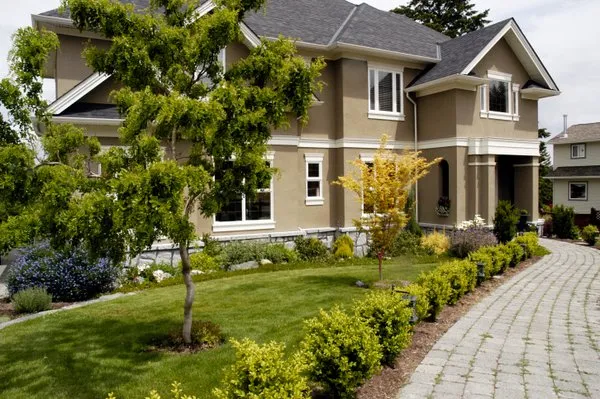
Alexander's Landscaping & Paving LLC is a certified contracting business serving New Haven, MI, and surrounding areas. Founded in 2021 by a landscape professional with over two decades of industry exp...

Yard Guard Fertilizing and Landscape Maintenance
Yard Guard Fertilizing and Landscape Maintenance is a New Haven-based lawn care provider dedicated to enhancing the health and appearance of local landscapes. Founded by owner-operator John Smith, the...
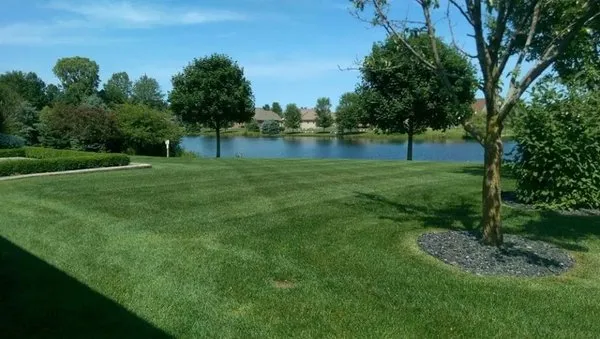
Discount Lawn Care provides reliable and affordable lawn services to New Haven homeowners. We understand the local landscaping challenges, like bare patches and persistent weeds in mulch beds, which c...

Nay's Elite Services is your trusted local landscaping partner in New Haven, MI. We understand the unique challenges homeowners face in our community, from persistent sprinkler leaks that waste water ...
Lasting Impression Landscaping is your trusted neighbor in New Haven, MI, specializing in creating and maintaining beautiful, functional outdoor spaces. We understand the unique challenges faced by lo...
Woodham Landscaping is a trusted, locally-owned landscaping company serving homeowners and businesses in New Haven, MI. We understand the specific challenges of maintaining a beautiful yard in our loc...
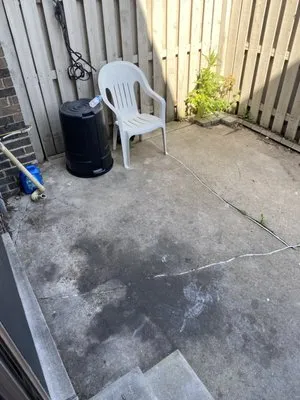
Valhalla Outdoor Services is a New Haven-based provider of expert lawn care and power washing solutions. We understand the specific challenges faced by local homeowners, particularly poor lawn grading...
Smitty's Lawn Service is a trusted local landscaping company serving homeowners in New Haven, MI. We specialize in diagnosing and treating the common lawn issues that affect our area, particularly law...

For over two decades, Schramm's Artistic Landscaping has been a trusted, family-owned name serving the outdoor needs of Macomb, St. Clair, and Oakland Counties, including New Haven. We combine creativ...
Q&A
We're tired of weekly mowing and gas blower noise. Are there lower-maintenance, quieter landscape options?
Transitioning high-maintenance turf to a native plant community is the forward-looking solution. Planting drifts of Little Bluestem, Black-eyed Susan, Wild Bergamot, and Common Milkweed creates a resilient, low-input landscape. This established planting requires no mowing, minimal watering, and supports local biodiversity. It also future-proofs your property against potential tightening of noise ordinances that may further restrict gas-powered equipment.
Our backyard has a low spot that turns into a pond every spring. What's a long-term fix that also looks good?
Seasonal ponding is a direct result of the Blount-Pewamo clay's slow percolation rate. The solution is a two-part system: first, install subsurface drainage like a French drain to intercept groundwater. Second, replace problematic areas with permeable hardscaping, such as open-graded crushed limestone or concrete pavers set on a gravel base. This combination increases surface permeability, meets New Haven Village Planning & Zoning runoff standards, and creates a dry, functional patio space.
We're seeing an invasive vine taking over a garden bed. How do we handle it without harming the lawn or breaking local rules?
First, identify the vine; common aggressors here include Bindweed or Oriental Bittersweet. Manual removal is safest for surrounding plants. For persistent roots, a targeted, systemic herbicide applied in late summer can be effective. Crucially, any follow-up lawn care must use a phosphorus-free fertilizer to comply with the local mandate for established lawns. Treatment timing avoids peak pollinator activity on desirable natives like your Milkweed.
A major storm just knocked down a large limb. We need an emergency cleanup to meet HOA compliance rules. How quickly can a crew arrive?
A dispatch from our yard near New Haven High School can have a crew on I-94 within minutes. For a priority emergency in the Village Center, expect arrival within the 25-35 minute window, even during peak traffic. The crew will bring electric chippers and loaders, which operate within the local noise ordinance hours of 8:00 AM to 8:00 PM. All debris will be processed on-site for removal, ensuring the property is compliant by end of day.
We bought a home built around 2000 in New Haven Village Center. Why does our lawn feel so compacted and struggle to drain?
Lots in New Haven Village Center developed around the year 2000 typically have Blount-Pewamo Loamy Clay subsoil, which was compacted by construction machinery over 25 years ago. This soil has matured but retains low permeability and poor soil structure, restricting root growth and water movement. Core aeration is critical to fracture that compacted layer, followed by top-dressing with compost to increase organic matter. This process mimics natural soil-building cycles and directly addresses the seasonal ponding common in these neighborhoods.
We want to regrade a soggy section of our quarter-acre lot. Do we need a permit, and what should we look for in a contractor?
Yes. Any significant regrading that alters water flow on a 0.25-acre lot typically requires a review by the New Haven Village Planning & Zoning Department to ensure compliance with drainage ordinances. You must hire a contractor licensed by Michigan LARA for earth change activities. This licensing ensures they carry proper insurance and understand the legal liabilities of modifying site drainage, which can impact neighboring properties.
We want a lush lawn but also want to be responsible with water. Is smart irrigation worth it here in New Haven?
Absolutely. While New Haven currently has voluntary water conservation, ET-based smart irrigation is the professional standard. The system uses local weather data to calculate evapotranspiration, applying only the precise amount of water needed to maintain your Kentucky Bluegrass and Ryegrass mix. This prevents overwatering into the high water table, saves on municipal water use, and promotes deeper root growth. It is the most effective tool for preserving turf quality within ecological limits.
We're adding a patio and are deciding between wood decking and concrete pavers. Which is better for our climate and upkeep?
For longevity and low maintenance in USDA Zone 6a, concrete pavers are superior. They resist freeze-thaw cycles, require no sealing or staining, and won't splinter. Crushed limestone paths offer excellent permeability. From a Firewise perspective, these non-combustible materials contribute to the 'Low' risk rating in suburban New Haven by creating defensible space, an increasingly considered factor in landscape planning.
